
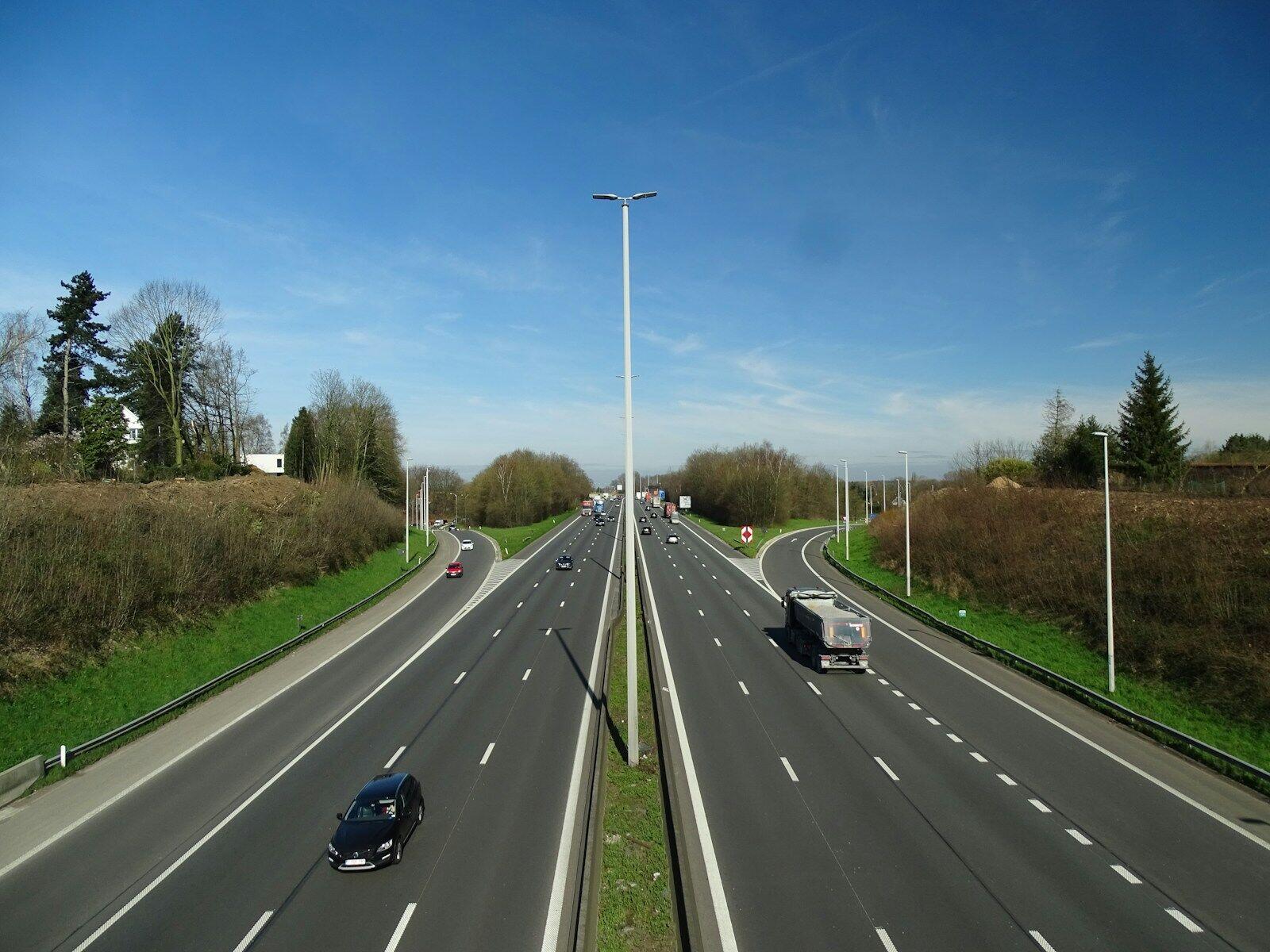
Solo drivers will soon be able to use Ontario’s high-occupancy vehicle lanes during off-peak hours. Starting January 1, 2027, single-occupant vehicles can use HOV lanes when traffic is lighter, the Ontario government announced Tuesday.
The idea is to make better use of highway lanes that sit half-empty outside rush hour, while keeping them reserved for carpoolers when traffic is heaviest. Provincial traffic modelling shows the change should improve traffic flow in both the HOV lanes and the regular lanes on major highways.
“Drivers shouldn’t be stuck in traffic while there’s room available in the HOV lane beside them,” said Prabmeet Sarkaria, Minister of Transportation. “By opening these lanes to more drivers during off-peak hours, we’re making better use of our highways, improving traffic flow and helping people spend less time in traffic and more time doing what matters most.”
Here is when single-occupant vehicles will be allowed in: Monday to Friday, from 10 a.m. to 2 p.m., and from 8 p.m. to 6 a.m.; and on Saturdays and Sundays, from 9 p.m. to 9 a.m. No special permit will be needed during those times.
Outside those hours, the usual rules still apply. HOV lanes stay restricted to vehicles with two or more people, as well as buses, licensed taxis, motorcycles, emergency vehicles and eligible green-plated vehicles.
Drivers with a high-occupancy toll (HOT) permit will still be able to use eligible HOV lanes during the restricted hours. The HOT permit program covers sections of the Queen Elizabeth Way, Highway 403 and Highway 410, and those permits will stay in place during peak hours.
One group is still kept out at all times: commercial motor vehicles measuring more than 6.5 metres in length are prohibited from using HOV lanes, including during off-peak hours.
Ontario first announced expanded access to HOV lanes in March 2026, as part of its plan to tackle gridlock and keep people and goods moving across the province.
About the Author