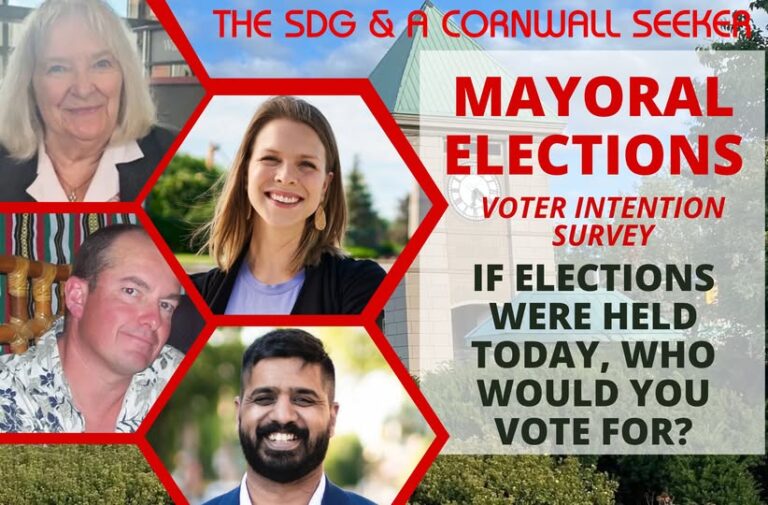

Municipal elections are October 26 in Ontario. To help voters make an informed decision here in Cornwall, the editorial board of The Seeker has put together 10 questions for candidates seeking a seat at the municipal council table, whether as Councillor or as Mayor. To ensure fairness, the same questions were sent to every candidate. We sent a total of 10 and they had the option to answer all of them, or pick a minimum of 5. Their answers will be published in their entirety, in the order they are received. We will not edit, correct or modify any responses.
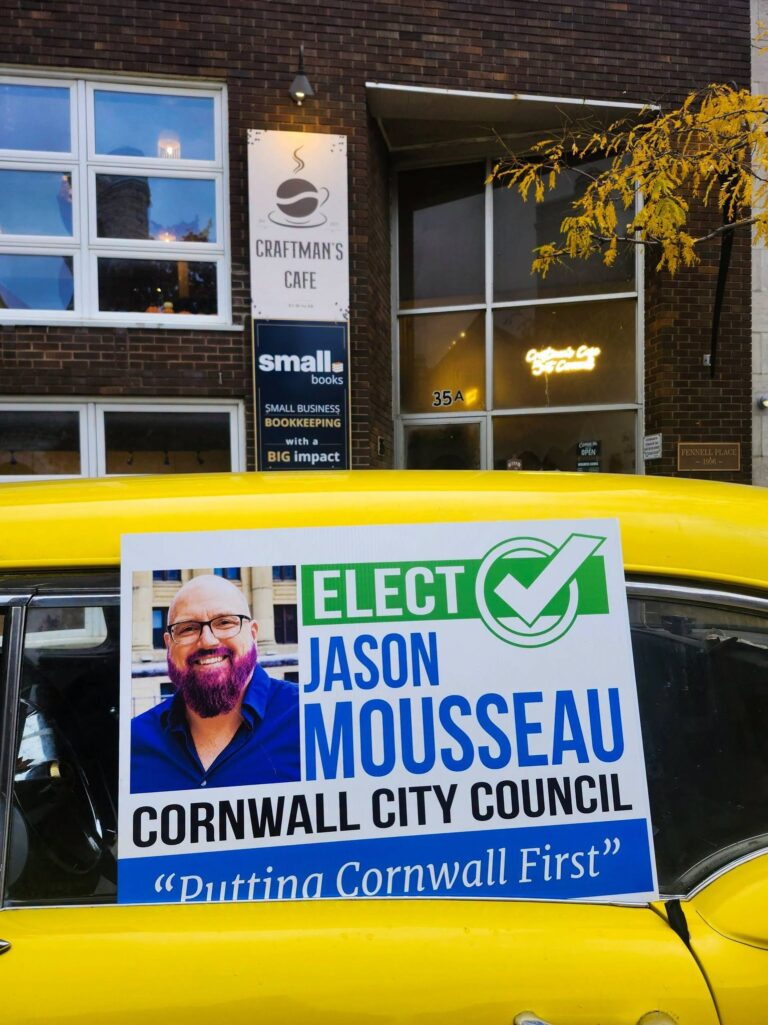
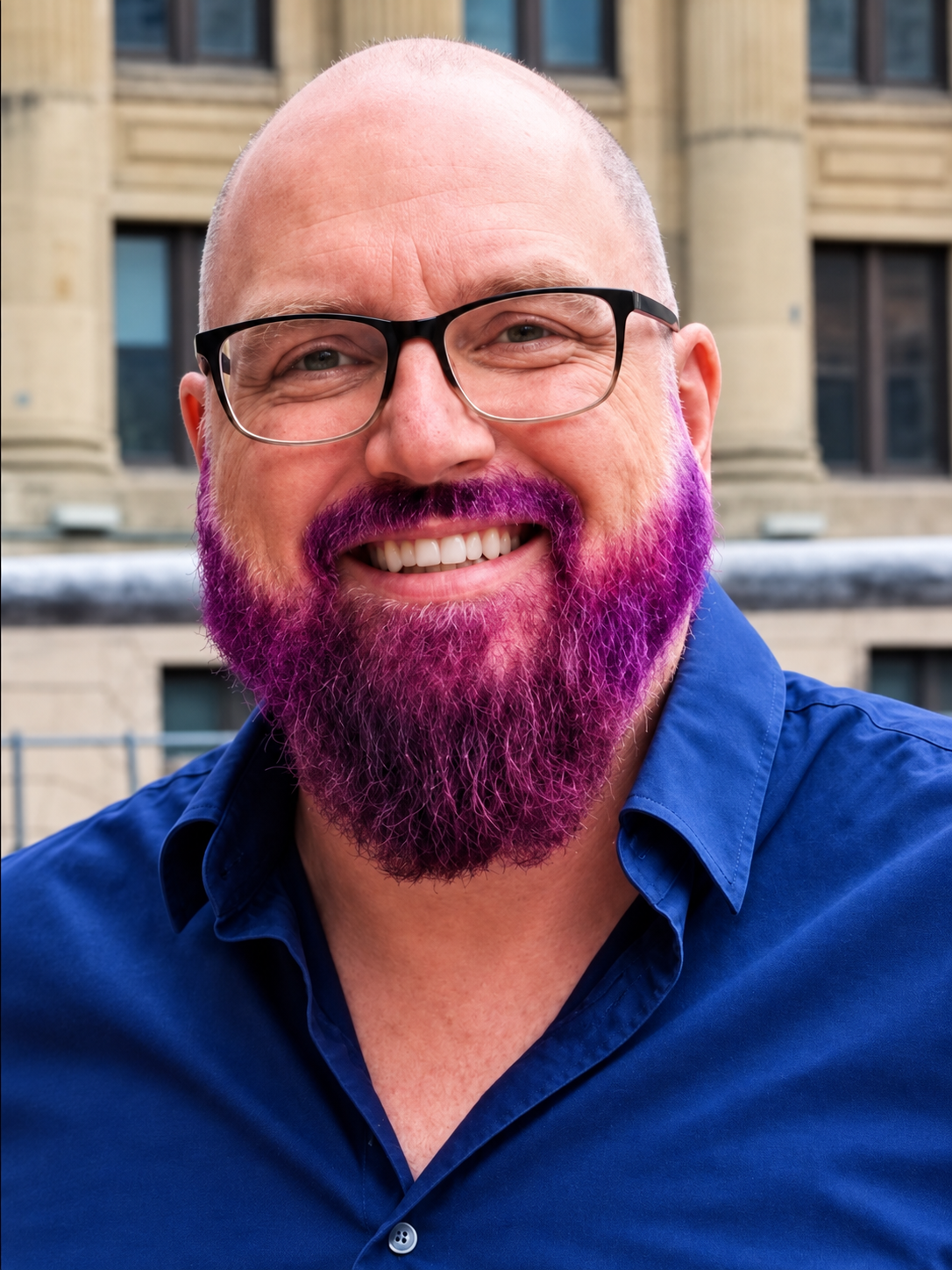
These are Jason Mousseau’s Answers. He is running for councillor.
1. Who are you? Where are you from? What education do you have? What relevant experience do you have?
My name is Jason Mousseau, and I moved to the Cornwall area a little over a year ago to take on the challenge of building a live-in program for at-risk youth. I grew up in the small Western Quebec community of Fort-Coulonge and have also lived in Northern Ontario, Quebec and, most recently, Ottawa. I studied Social Sciences at Heritage College and graduated from the Correctional Worker Program at Canadore College. More recently, I completed training in Therapeutic Crisis Intervention through Cornell University. Over the years, I have served on Canadore College’s Correctional Worker Advisory Board and was also a member of the City of Ottawa’s Community and Social Services Advisory Committee in the early 2000s. I have spent most of my career working with at-risk youth in detention centres, treatment programs, schools and community-based settings, in roles ranging from front-line work to management. That experience has taught me how to work under pressure, find practical and creative solutions to difficult problems, and bring people with different perspectives together—including labour groups, community organizations and other stakeholders—to get things done.
2. In The Seeker’s poll asking constituents about the most important issue facing them, a large majority of respondents answered “taxes/affordability”. What would you do as a Councillor/Mayor to make Cornwall more affordable, and what city services or spending, if any, would you be willing to reduce, change or eliminate to keep tax increases under control?
Affordability is a big issue in Cornwall, but it is also something people are struggling with right across the country. Groceries are up, housing is up, utilities are up, and people only have so much money. We have to be careful about continually going back to taxpayers and asking them for more.
I don’t want to sit here and say I would cut this service or that service without first having all the information in front of me. What I would do is start looking at how the City operates and where we can do things differently. Are there jobs being duplicated between departments? Are we spending money on outside consultants for things we could be doing ourselves? Can departments share resources? Can we work with neighbouring municipalities to purchase things together and get a better price? These are the kinds of questions I think Council should be asking.
I would rather find savings in administration and the way we do business before cutting the services people actually use. At the same time, we need to grow our tax base. We need more businesses investing in Cornwall, more development and more people choosing to live here. That helps spread the cost of running the City instead of putting more and more of the burden on the same taxpayers.
One thing I’ve learned throughout my career is that throwing more money at a problem isn’t always the answer. Sometimes you have to step back, look at how you’re doing things and come up with a better way. That’s the approach I would bring to Council.
3. Over the past few years, many constituents have expressed concern that the city’s homelessness situation has significantly worsened. What would you do as a Councillor/Mayor to address this issue?
Homelessness is definitely a problem in Cornwall. What was once seen mostly as a big-city problem is now showing up in smaller communities like ours, and I think we need to find a balance between helping people who are struggling and making sure our public spaces remain safe and accessible to everyone.
I don’t believe homeless encampments in Lamoureux Park or other public spaces are a long-term solution. At the same time, simply moving people from one place to another doesn’t solve anything either. We need to deal with the reasons people are ending up homeless in the first place. Addiction is certainly one part of the problem, but so are mental health, the cost and availability of housing, family breakdown and other circumstances.
I would like to see Cornwall look closely at what other communities have tried, including communities our size. What worked? What didn’t? There is no reason for us to reinvent the wheel. I would also look at whether an emergency shelter or another form of temporary housing could work in Cornwall, but it needs to be connected to services that help people move toward stable housing.
This isn’t something the City can solve on its own. We need the province, health and social services, police, community organizations and other partners at the table. I also think we need to measure whether the programs we are spending money on are actually working.
We can have compassion for someone who is homeless or struggling with an addiction while also recognizing that residents have the right to feel safe in their parks and neighbourhoods. I don’t think those two things have to be in conflict.
4. Why are you running for Council? What is the most important issue facing the City of Cornwall today?
I am running for City Council because I want to be part of the solution. I moved to Cornwall by choice and this is now my community. I want to be an active member of it and hopefully make a difference.
Serving your community is also something I grew up with. My father, grandfather and great-grandfather all served on council in their respective communities. They taught me that we all have a civic duty to give back when we can. For me, running for council is one way I can do that.
I think affordability is probably the biggest issue facing Cornwall right now. People are struggling with the cost of everything, and while City Council can’t control the price of groceries or gas, it can control how it spends taxpayers’ money. I think we have to be responsible with that money, look for better ways of doing things and make sure people are getting good value for the taxes they pay.
At the end of the day, I am running because I want to serve the people of Cornwall, listen to them and be part of finding solutions to the issues our community is facing.
5. Many constituents have expressed concerns about accountability and controversy surrounding Council. What could you do as a Councillor/Mayor to improve transparency and accountability?
I think one of the greatest forms of accountability we have is election day. If people don’t believe their elected officials are representing them properly, they have the opportunity to hold them accountable at the ballot box.
Between elections though, residents deserve to know what their council is doing and why decisions are being made. I would like to see as much City business as possible discussed publicly and made part of the public record. I understand that there are certain legal and confidential matters that have to be discussed behind closed doors, but that should be the exception and not the rule. If there are ways to make more information available to the public, I would support that.
I also think accountability starts with being honest with people. I’m not going to pretend I know the answer to every question. If a constituent asks me something and I don’t know the answer, I’ll tell them I don’t know. Then I’ll find out and get back to them. I would rather give someone an honest answer than tell them what I think they want to hear.
People may not always agree with how I vote, but they should always be able to ask me why I voted that way and get a straight answer.
6. We constantly hear about the Art Centre and the water meters. Many residents have expressed the view that these were bad decisions on Council’s part. Both projects are being implemented, but they remain a sore spot for some voters. Would you consider revisiting or changing decisions made on those projects?
I think anytime we are spending taxpayers’ money we need to be able to explain where that money went and why. The Arts Centre ended up costing considerably more than originally expected, and I think people have a right to ask questions about that.
But we also have to be realistic. The Arts Centre is being built and millions have already been spent or committed. Spending even more money trying to undo it doesn’t make much sense to me. The building is going to be there, so let’s make it successful.
I really like the fact that private money has been invested in the Arts Centre because that takes some of the burden off taxpayers. I would like to see us go after more private donations, sponsorships and grants. We should also be looking for ways to bring in as much revenue as possible through events, rentals and programming. If it brings more people downtown who then spend money at our restaurants and businesses, that’s a good thing too.
I have some of the same concerns about the water meters. I question whether spending that much money on universal water meters was the best use of our money, but we’re pretty far down that road now. Before I support changing anything, I would want to know exactly what it would cost us to stop or change the program compared to finishing it.
For me, the bigger lesson from both projects is accountability. When a major project starts going over budget, Council and the public should know about it and know why. I would rather ask those questions early than wait until the money is already spent.
7. What would you do to improve our relationship with Akwesasne? What does Truth and Reconciliation look like to you? Explain how Cornwall can take steps toward it.
I think Cornwall and Akwesasne have a unique relationship. We aren’t just neighbouring communities. Our people work together, do business together, use many of the same services and cross back and forth between the two communities every day. There are already some good examples of cooperation, including the two communities jointly owning the Cornwall port, and I think we should build on that.
When it comes to Truth and Reconciliation, I believe it has to be about more than land acknowledgements. I understand the importance of acknowledging our history, but reconciliation also has to involve action.
To me, that starts with sitting down with the leadership and people of Akwesasne and listening to what they have to say. I don’t think Cornwall should decide on its own what reconciliation should look like for Akwesasne. We need to listen and find out what we can actually accomplish together.
I would like to see more cooperation in areas like economic development, tourism, healthcare and social services. When there are issues that affect both communities, such as bridge tolls, I also think Cornwall and Akwesasne can have a stronger voice when we stand together.
I plan to attend the Community Conversations between Akwesasne and Cornwall on September 19. I think opportunities like this are important because they give us a chance to sit down, listen to each other and better understand what both communities need from the relationship.
We are neighbours and we’re going to continue to be neighbours. For me, reconciliation is about respect, listening and working together. Land acknowledgements have their place, but reconciliation has to go further than words. It has to lead to action.
8. Cornwall’s municipal government relies on experienced and qualified staff to deliver services to residents. What would you do as a Councillor/Mayor to ensure the city can attract, retain and support the best possible people in senior positions?
I think attracting good people to work for the City starts with making Cornwall a community where people actually want to live and raise their families. We have a lot to offer. We have a beautiful waterfront, we’re close to the U.S. border and we’re within a reasonable drive of Ottawa and Montreal, while still having many of the advantages of living in a smaller community.
I would like to see us work with Cornwall Tourism and others to do a better job of selling those advantages when we’re recruiting people from outside the area. We’re not just offering someone a job, we’re asking them and possibly their family to become part of our community.
Compensation is obviously part of attracting qualified people. We have to offer competitive salaries for senior positions or good candidates will simply go somewhere else. At the same time, we have a responsibility to taxpayers, so competitive doesn’t mean writing a blank cheque. We need to find that balance.
Keeping good people is just as important as recruiting them. I think that means creating a workplace where people are respected, supported and given the opportunity to grow. We should also be developing talented people who already work for the City so that when senior positions become available, we have qualified people from within our own organization who are ready to step up.
Council also needs to remember its role. We hire qualified professionals to run the day-to-day operations of the City and we should allow them to do their jobs, while still asking questions and holding them accountable for results.
At the end of the day, if Cornwall is a good place to live, a good place to work and an organization where good people feel valued, we’re going to have a much easier time attracting and keeping the people we need.
9. Healthcare is primarily a provincial responsibility, but access to healthcare is a major concern for Cornwall residents. What can the City of Cornwall realistically do to help improve healthcare access, and would you make it a priority as a Councillor/Mayor?
Healthcare would absolutely be a priority for me. I believe access to healthcare is a right, and while healthcare is primarily a provincial responsibility, I don’t think that means the City should simply say it’s not our problem.
One area where I think Cornwall can make a difference is recruitment. We need to be actively working with our hospital, healthcare providers and the province to attract more doctors, nurses, nurse practitioners and other healthcare professionals to our community.
We also have to sell Cornwall. If we’re trying to convince a doctor or nurse to move here, we’re not just recruiting that individual, we’re often recruiting their entire family. We should be promoting our waterfront, housing, schools, recreation, proximity to Ottawa and Montreal and the advantages of raising a family in a smaller community. We can also help connect spouses with employment opportunities and make it easier for families to settle here.
I would also support partnerships that bring medical, nursing and other healthcare students to Cornwall for training and placements. If we can get people to spend time here and become part of the community, I think we have a better chance of convincing some of them to stay.
Finally, I believe we need to work with all levels of government. A city councillor can’t fix Ontario’s healthcare system, and I wouldn’t pretend that I could. What I can do is advocate for Cornwall, work with our healthcare partners and make sure our community is fighting for its fair share of healthcare resources.
For me, recruiting and retaining healthcare professionals would be a priority because having a family doctor or being able to get the care you need shouldn’t depend on your postal code.
10. Many residents are concerned about crime, vandalism, drug use and a general decline in their sense of safety. What can the city realistically do to address these concerns, and where should municipal responsibility end and provincial or federal responsibility begin?
This is an area where I think my work experience can bring something to Council. I have almost 30 years of experience working in and around the justice system, including working as a Youth Justice Officer and later as a Coordinator responsible for the operations of a youth secure custody facility. I have also worked in schools with at-risk youth and spent many years working alongside the men and women of law enforcement.
One thing that experience has taught me is that being proactive is extremely important. We can’t wait until something happens and then only react to it.
I believe strongly in community policing. I would like to see officers out of their cruisers and walking the beat in areas that are experiencing higher levels of crime and problems. It gives residents and business owners a chance to actually know the officers serving their neighbourhood, and it gives police a better understanding of what is happening in that area. I also support things like neighbourhood watch programs that get residents involved in keeping their own communities safe.
We also have to recognize that we can’t police our way out of every problem. Addiction, mental health, homelessness and crime often cross paths, and constantly having police deal with problems that should really involve healthcare or social services isn’t the answer either. We need police, healthcare, social services, schools and community organizations working together and intervening earlier when possible.
This is also where the provincial and federal governments have responsibilities. The City can provide good local policing, support prevention programs and make our public spaces safer, but we can’t fund the healthcare system, addiction treatment, the courts, corrections and affordable housing on the backs of Cornwall property taxpayers. I would advocate strongly for Cornwall to receive its fair share of provincial and federal funding for those services.
I believe people have the right to feel safe walking through their neighbourhood, operating a business or using one of our parks. At the same time, I know from my own career that prevention and early intervention can sometimes accomplish a lot more than dealing with someone after they have already entered the justice system. I think we need to do both.
About the Author