
Municipal elections are October 26 in Ontario. To help voters make an informed decision here in Cornwall, the editorial board of The Seeker has put together 10 questions for candidates seeking a seat at the municipal council table, whether as Councillor or as Mayor. To ensure fairness, the same questions were sent to every candidate. We sent a total of 10 and they had the option to answer all of them, or pick a minimum of 5. Their answers will be published in their entirety, in the order they are received. We will not edit, correct or modify any responses.
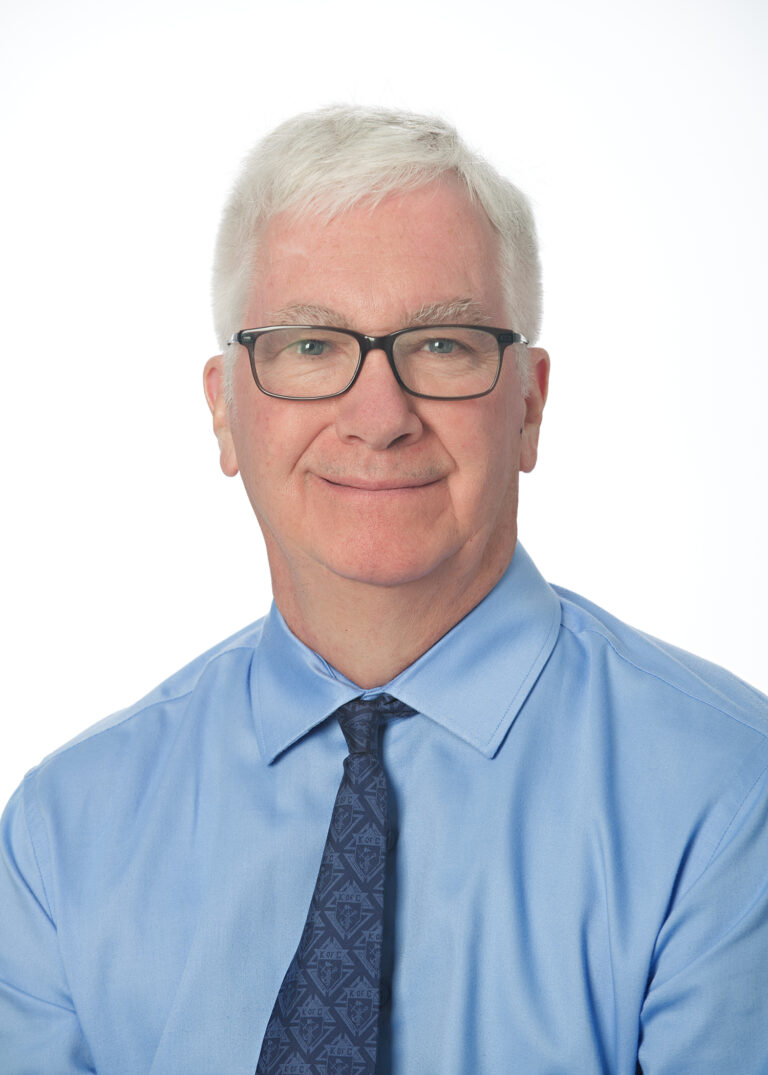
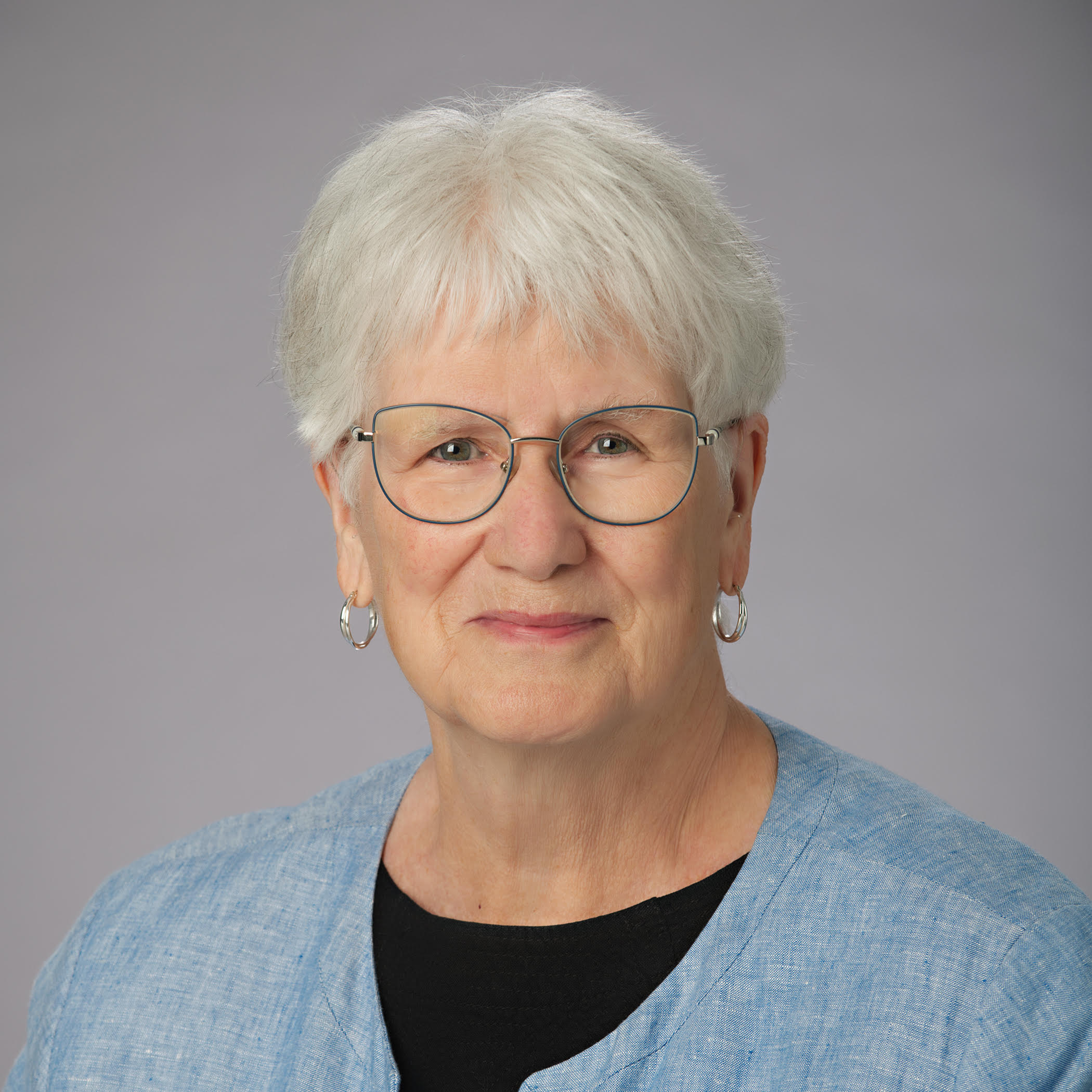
These are Elaine MacDonald’s Answers. She is running for Councillor.
Who are you? Where are you from? What education do you have? What relevant experience do you have? (1 brief paragraph)
I am engaged citizen. I moved to Cornwall in 1982, coming home so to speak because my ancestral roots are here, in Alexandria and Williamstown. I have 3 post-secondary degrees as well as teacher certification and subject specialist qualifications. I enjoyed a successful teaching career and served in leadership roles in schools.
I am currently a councillor and have been since 2006. Prior to my election and concurrently, I have been very involved in the community, frequently in leadership positions as well as in provincial and federal politics and issues. At the moment, I am chair of the Cornwall & Area Arts Hall of Fame, served on the arts centre fundraising committee and continue to be active on the Cornwall & District Labour Council and I’m the co-chair of the SDG/Cornwall Health Coalition, working to protect and maintain public healthcare. I’m also a proud retired teacher and grandparent.
In The Seeker’s poll asking constituents about the most important issue facing them, a large majority of respondents answered “taxes/affordability”. What would you do as a Councillor/Mayor to make Cornwall more affordable, and what city services or spending, if any, would you be willing to reduce, change or eliminate to keep tax increases under control?
2a) I appreciate that the question makes the direct connection between taxes and services. We cannot cut taxes without diminishing services, and I am not willing to do that. As a councillor going forward, I support the policy of searching out the best prices and terms in our purchasing as the best way to find savings without cutting services.
Over the past few years, many constituents have expressed concern that the city’s homelessness situation has significantly worsened. What would you do as a Councillor/Mayor to address this issue?
First, we have to recognize that homelessness is not just a Cornwall problem, it’s a national and international one. In the past year, the city has successfully housed over 75 people who were previously living in encampments. Now they are in their own personal space, in apartments and dedicated housing. By working together across all levels of government we can continue to address this problem. Early on, we established teams of caring people from housing, paramedics, police and social services and others who visit and interview people in encampments weekly to do wellness checks and prepare the clients for established housing. They are a very efficient and successful team and I support its continuation.
Why are you running for Council? What is the most important issue facing the City of Cornwall today?
Our city continues on an upward trajectory since its low point in 2006 when the last big mill closed. Maintaining the progressive development of a post-industrial economy is our challenge to which I am committed. Our Economic Development department mastered the growth of the logistics sector, to the point where the Business Park is almost full and now we are putting serious support into our tourism attractions. I believe our downtown Arts Centre will be a heavyweight in that regard.
Many constituents have expressed concerns about accountability and controversy surrounding Council. What could you do as a Councillor/Mayor to improve transparency and accountability?
Council meetings are public and to accommodate those who cannot attend personally, meetings are livestreamed and available on the city website. However, by law, certain legal, commercial and personal matters are discussed in-camera and justifiably so. I encourage citizens to attend meetings and participate in discussions on issues of concern.
We constantly hear about the Art Centre and the water meters. Many residents have expressed the view that these were bad decisions on Council’s part. Both projects are being implemented, but they remain a sore spot for some voters. Would you consider revisiting or changing decisions made on those projects?
Yes, I hear these concerns too but they are part of a larger, positive picture. For years, under the current water billing system, residents have been subsidizing water usage in the ICI (Industrial, Commercial and Institutional sector). With water meters, residents will only pay for what they use. A second great advantage is in the monitoring of underground pipes that the metering will bring. Currently, unexpected breakages are a huge drain on the city coffers which are made up of our tax dollars. With metering, pre-break detection will be enabled and expenses for residents reduced.
The Arts Centre too is a good economic news story. Across the province, profits from Art Tourism actually exceed those from sports tourism. The arts centre is downtown, where the DBIA has always been very aggressive in marketing itself and promoting its members services to the community. Given its location, the Arts Centre is poised to be an anchor in a re-energized downtown, attracting people both day and night, and enhancing the creative economy.
What would you do to improve our relationship with Akwesasne? What does Truth and Reconciliation look like to you? Explain how Cornwall can take steps toward it.
I think we have to make a renewed attempt to engage with Akwesasne and seek direction from them on what Reconciliation means and how we are to promote it. Anything that doesn’t start in consultation with and direction from Akwesasne is starting on the wrong foot. The Community Conversations series that entail simple informal meetings of Cornwallites and Akwesasro:non are a great start. They are simple meetings with informal discussions followed by a shared light supper.
Someday these simple discussions may grow into action on bridge tolls and the establishment of an Indigenous Friendship Centre in Cornwall.
Cornwall’s municipal government relies on experienced and qualified staff to deliver services to residents. What would you do as a Councillor/Mayor to ensure the city can attract, retain and support the best possible people in senior positions?
Growing our housing, community services and city amenities will make Cornwall an appealing place for professionals to live and raise families. Collaborating with other levels of government to develop our economy and establish strong networks with neighbouring municipalities will attract people to choose Cornwall and put down roots here.
Healthcare is primarily a provincial responsibility, but access to healthcare is a major concern for Cornwall residents. What can the City of Cornwall realistically do to help improve healthcare access, and would you make it a priority as a Councillor/Mayor?
The recruitment of medical professionals and doctors especially has always been a priority for council and that will continue. Councillors experience the same challenges as other residents and our commitment is firm.
Many residents are concerned about crime, vandalism, drug use and a general decline in their sense of safety. What can the city realistically do to address these concerns, and where should municipal responsibility end and provincial or federal responsibility begin?
All levels of government have a role to play in securing and maintaining community safety. The goal is to prevention through excellent community programs that engage the citizenry. Residents and families are especially instrumental in community engagement and youth interventions. Sadly though, I recognize sometimes community engagement fails. While the Cornwall Police Service does not take direction from council, they report to us regularly. Our municipal force liaises with other levels of law enforcement, sharing data, insights and methodologies to restore and maintain order that serves and protects us. Good communication and cooperation between government and law enforcement goes a long way.
About the Author