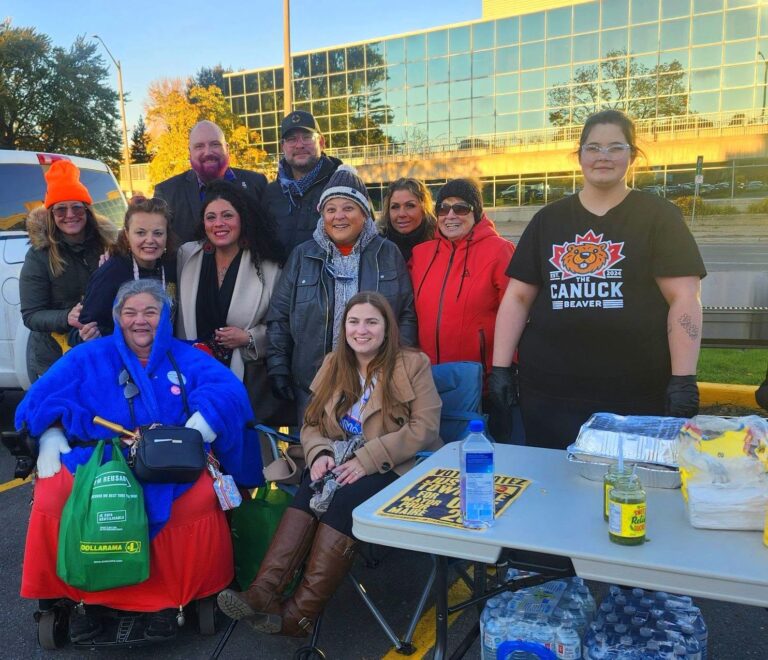

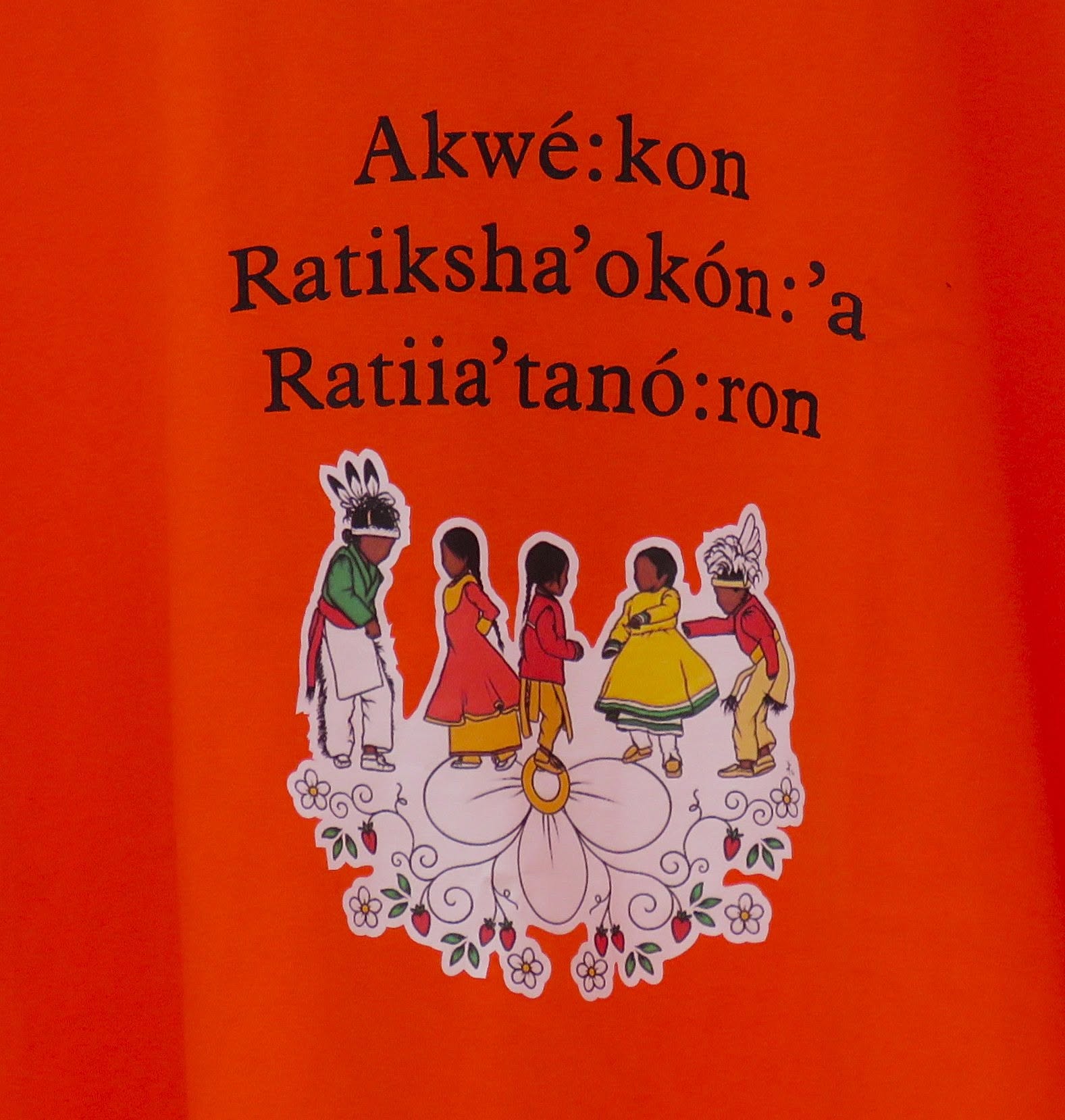
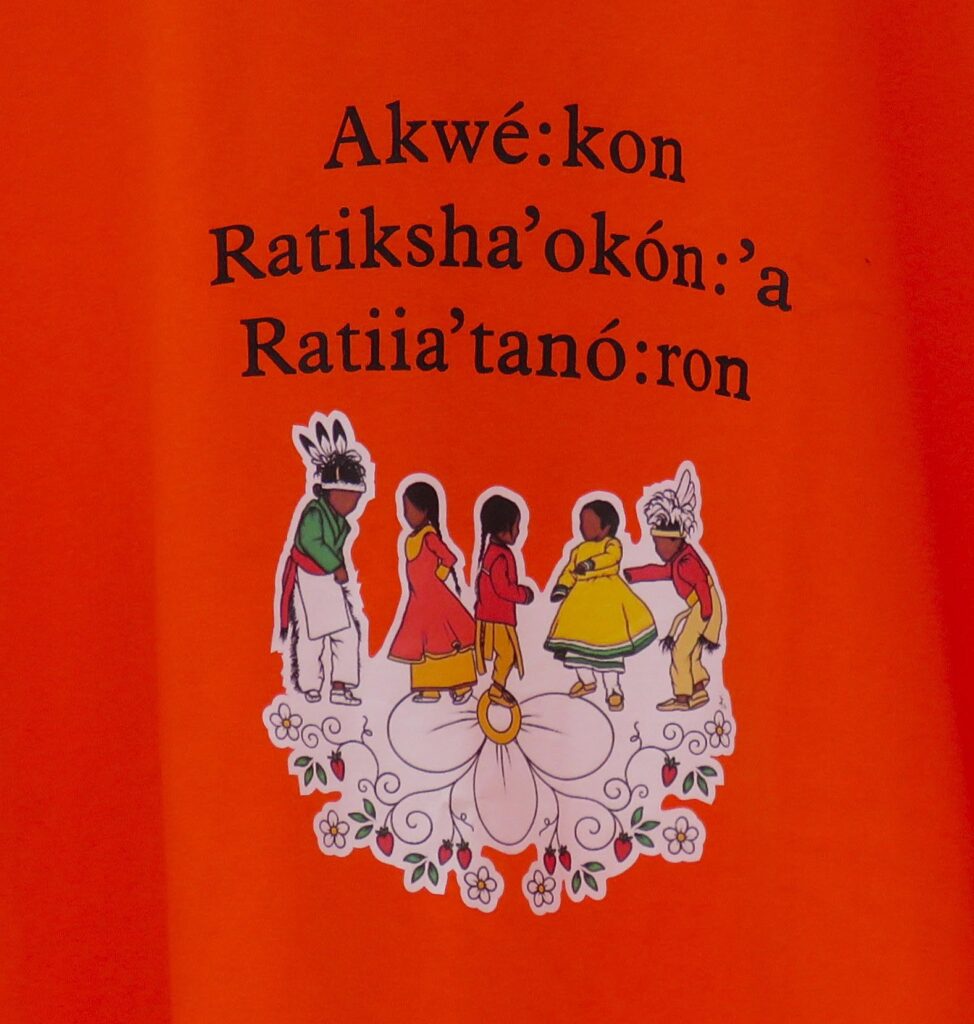
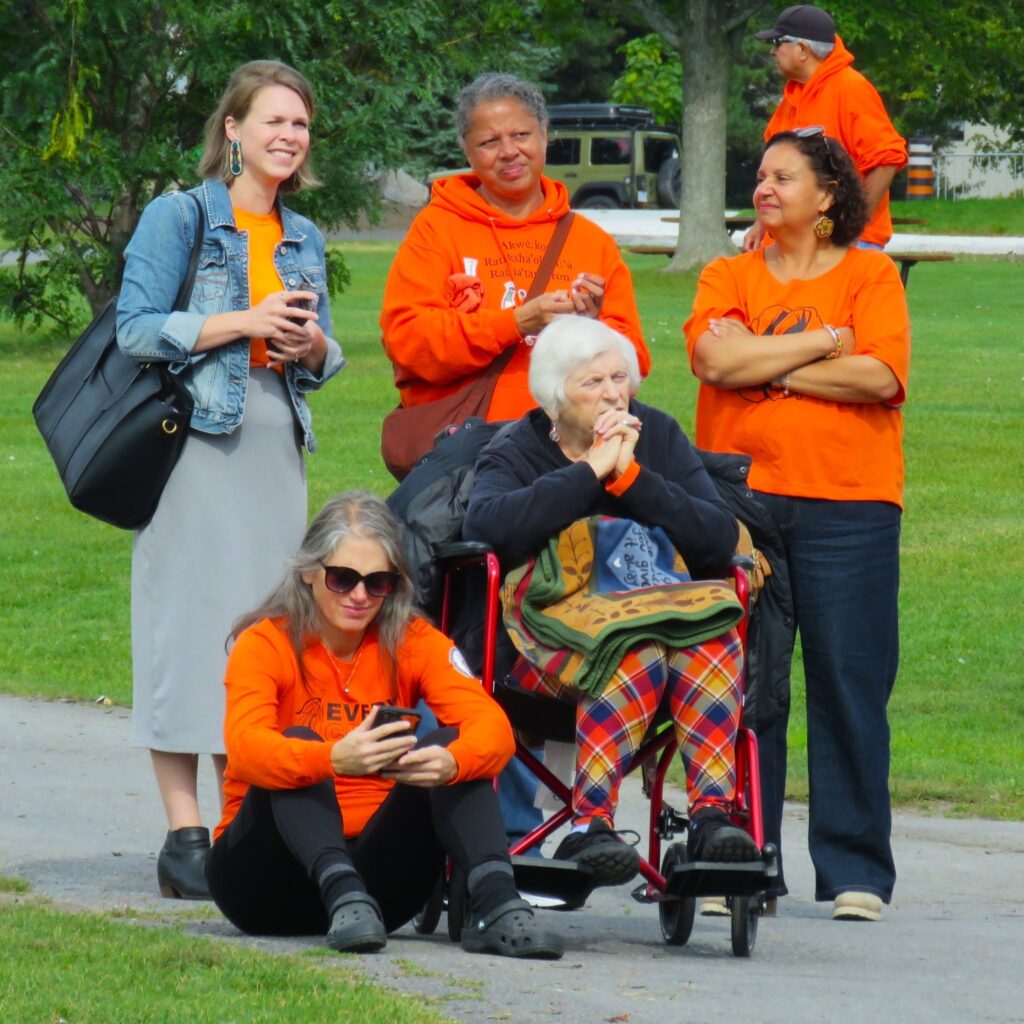
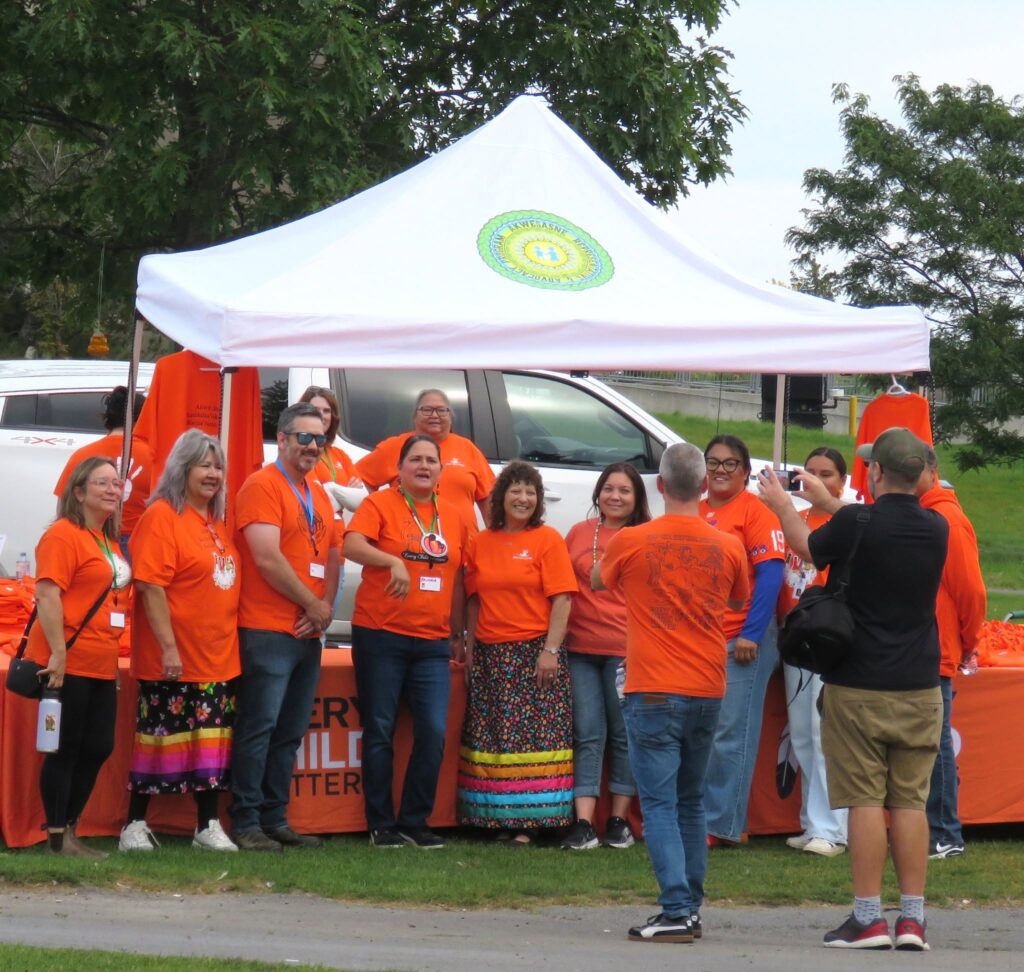
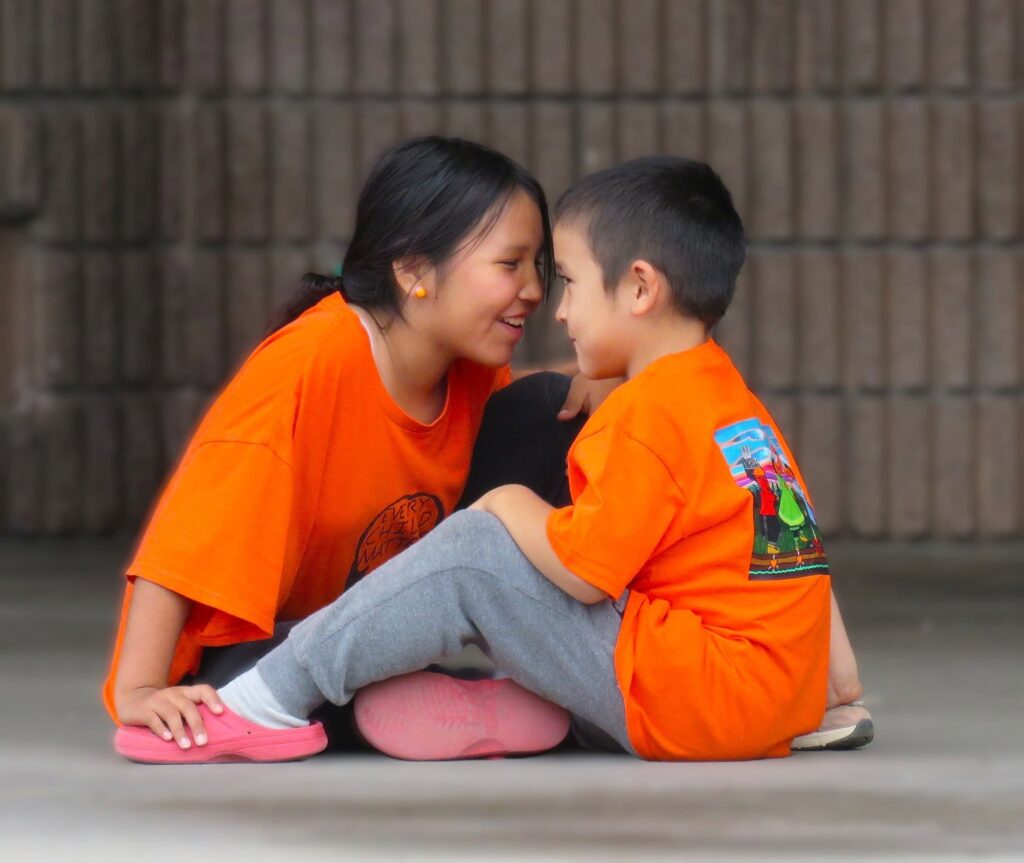
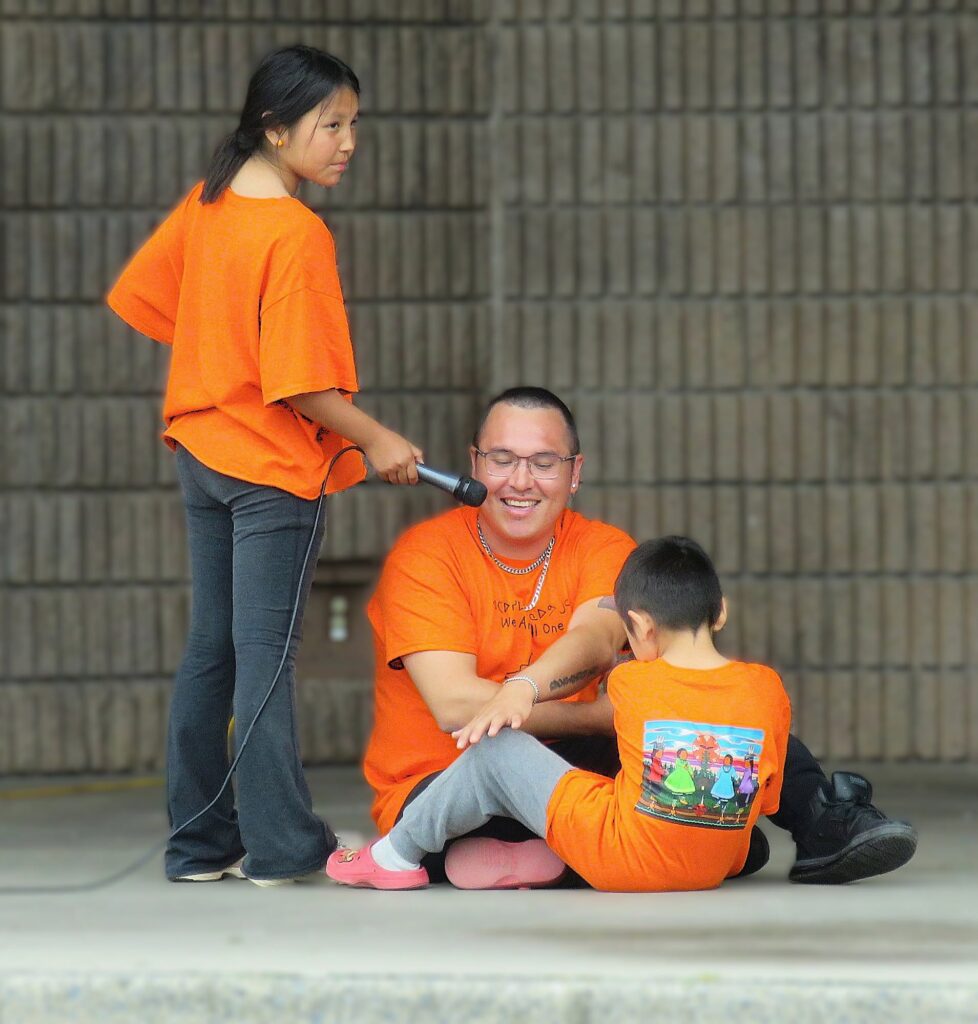
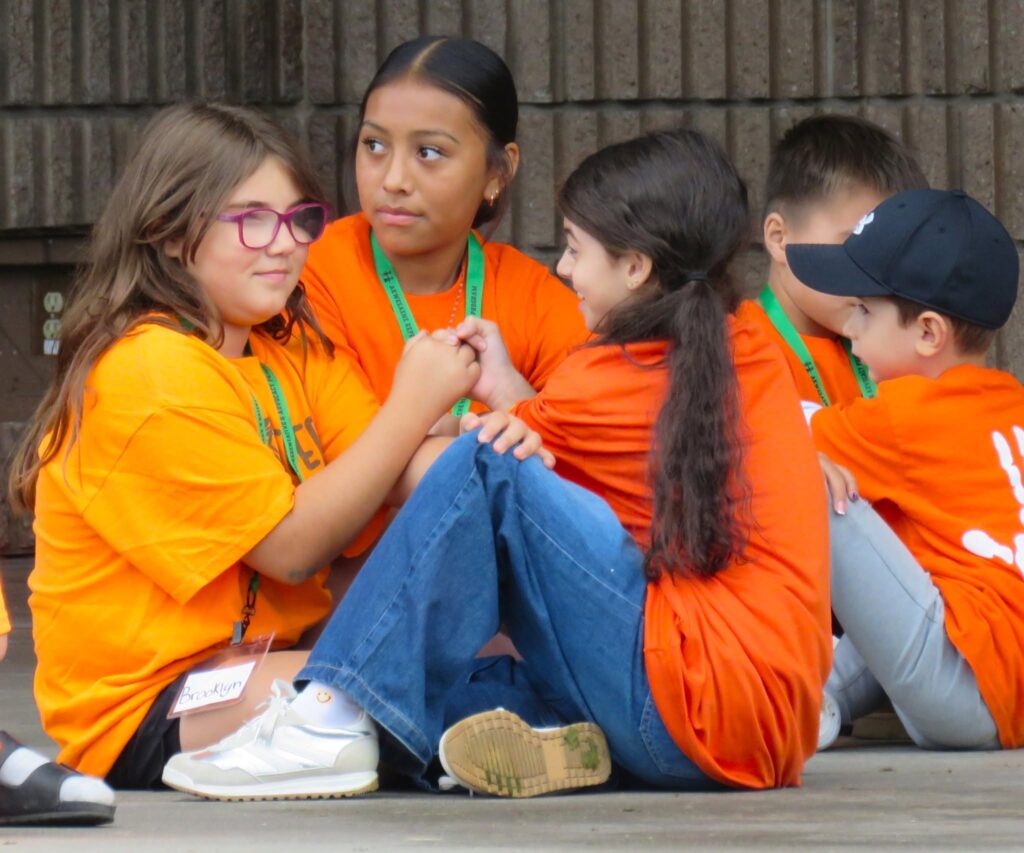
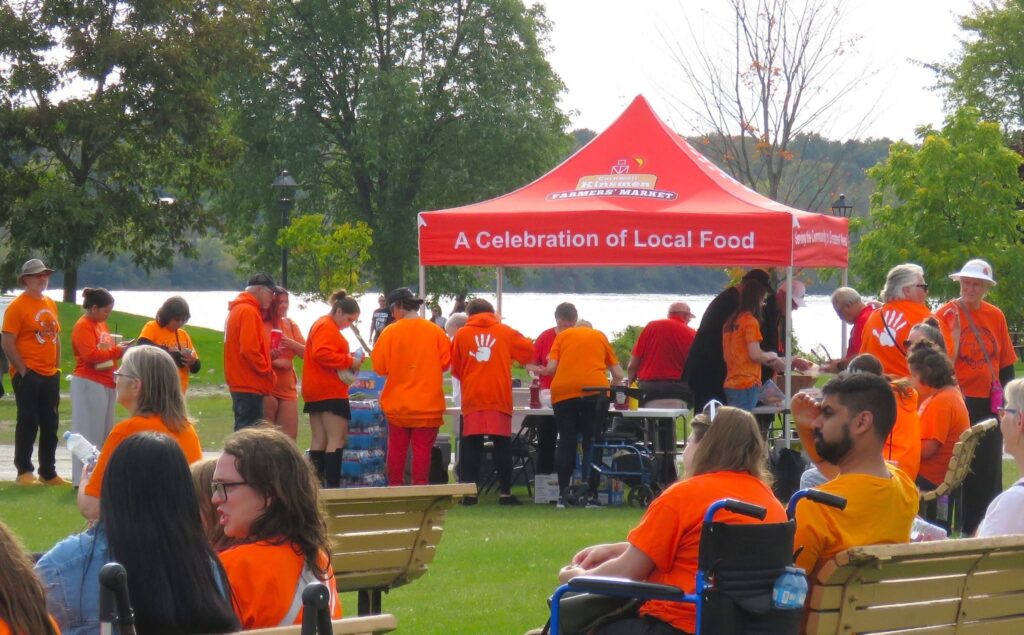
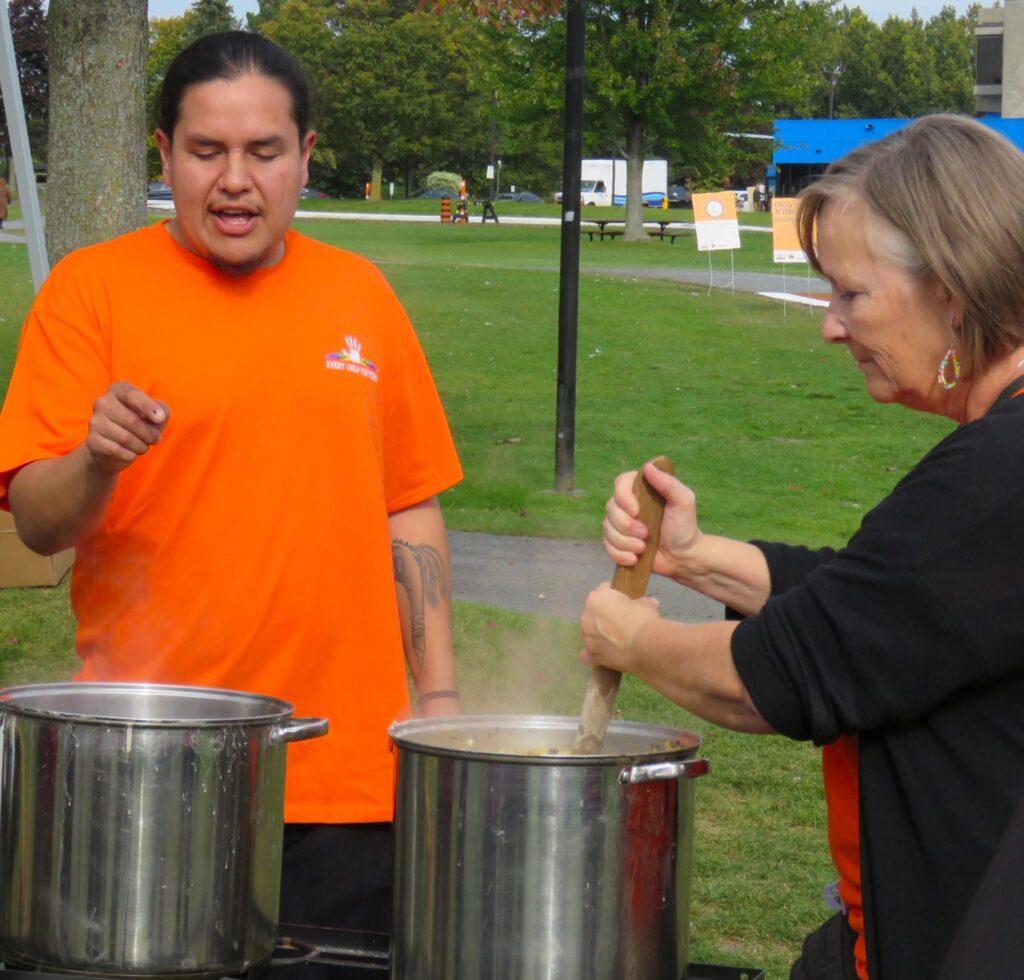
On September 30th, I headed to Lamoureux Park for Truth and Reconciliation Day. The venue was filled with people wearing orange shirts to honour indigenous people and their cultures, while remembering the impact of residential schools.
Sponsors included Ontario Power Generation, the Mohawk Council of Akwesasne, the Akwesasne Representative and Advocacy Program (ARAP), The City of Cornwall, the Kinsmen Club Of Cornwall, and the Children’s Aid Society.
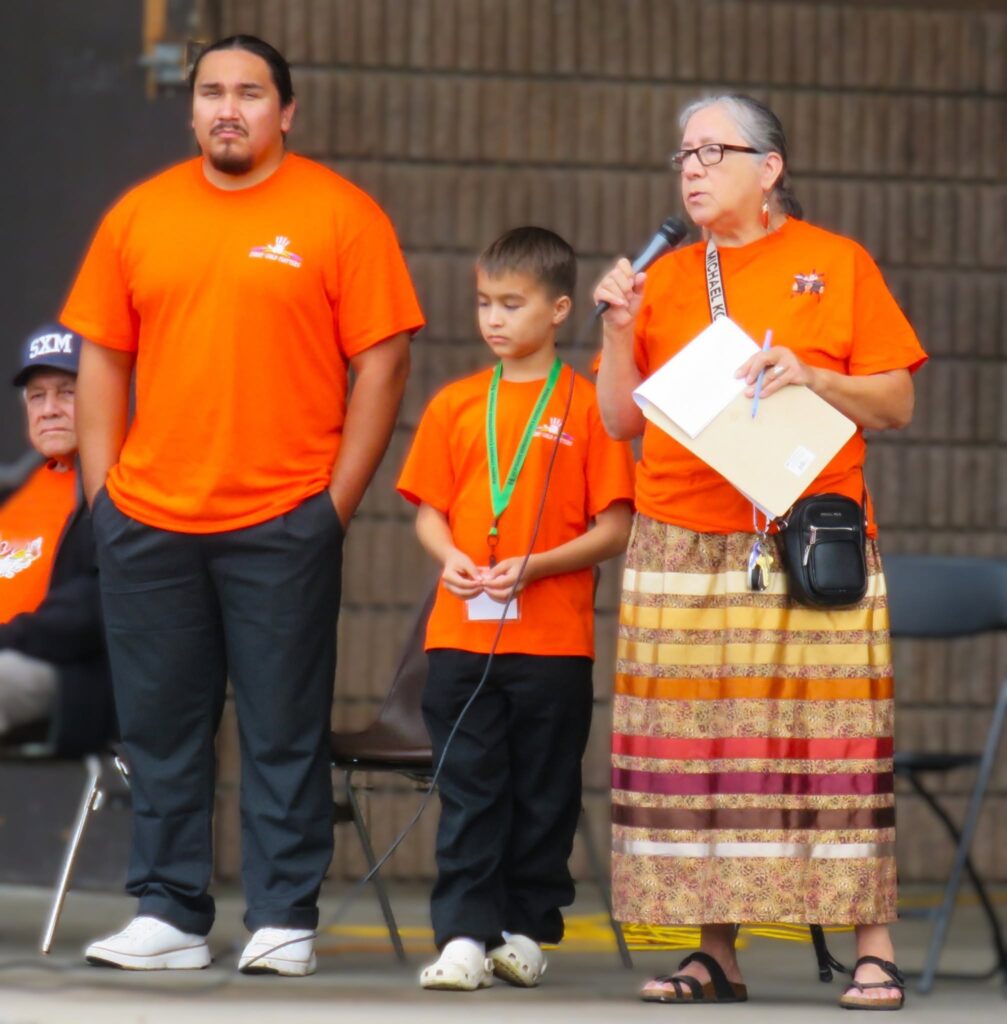
The event was led by Executive Director of the Native North American Travelling College Tekahnawiiaks from the Turtle Clan, known as Joyce King in English. She started by explaining the culture’s protocol for all gatherings, that of giving thanks to all that the Creator has provided from Mother Earth to the Sky World and “everything the Creator has given us for mankind to survive.” A child from the Turtle Clan gave the Thanksgiving Address in Mohawk, which was then translated for the public.
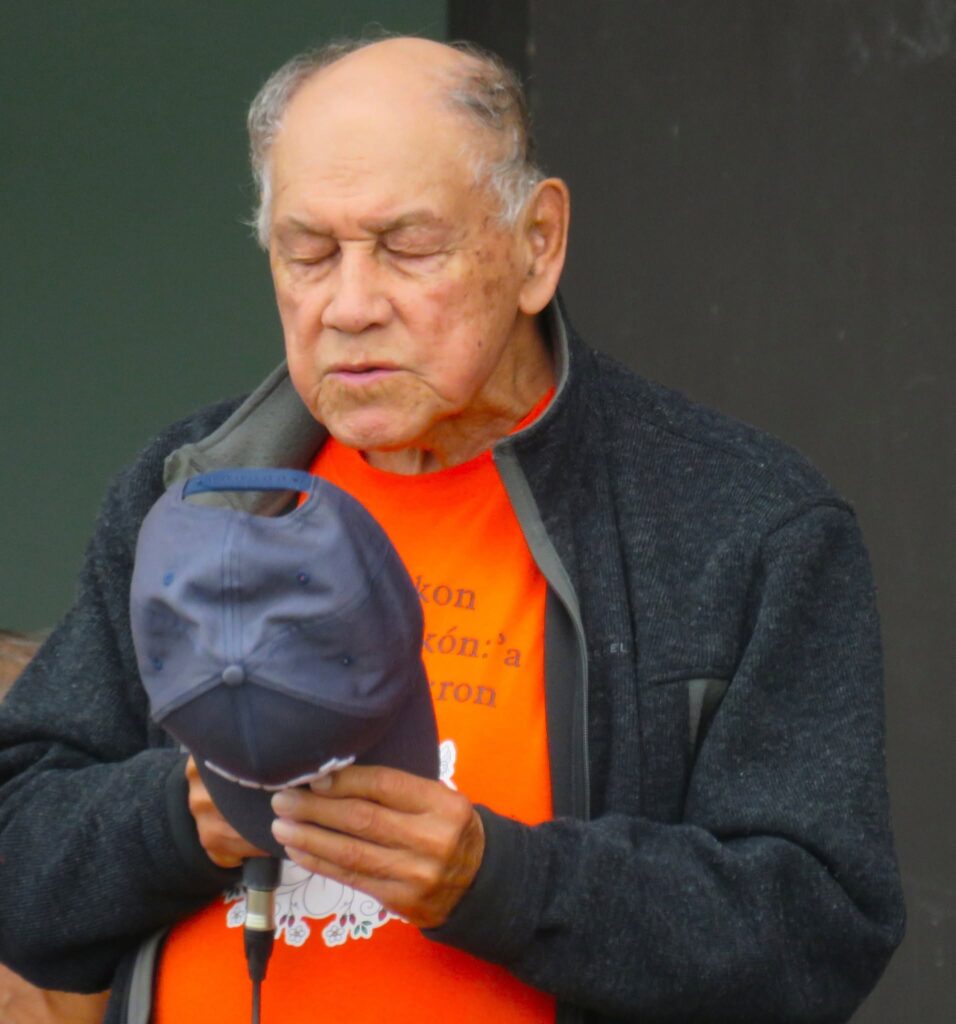
A former residential school survivor (1952-1956), William “Billy” Sunday then spoke about his experience at a school between Sudbury and Sault Ste. Marie. “I spoke mostly Mohawk, and so I had a really hard time learning English. They even tried to teach me to speak French and a little bit of Latin,” he added, “but they didn’t have much luck with that. But I was able to keep my language. Most of them forgot, so I feel lucky that I kept my language.” Following the residential school era, only one percent of the population still spoke Mohawk. Today, efforts are underway to preserve and revitalize the language through learning programs and community initiatives.
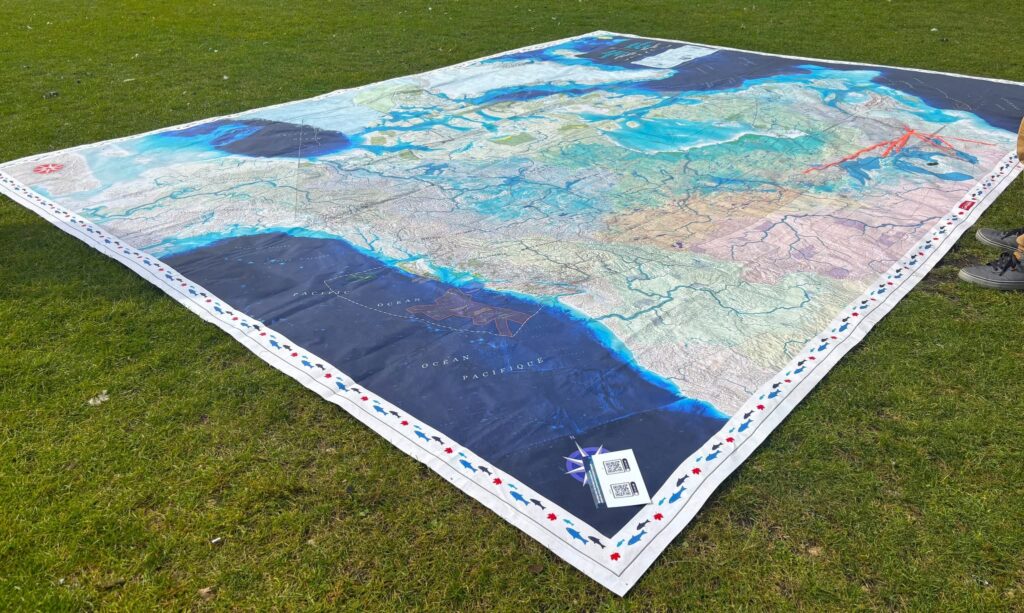
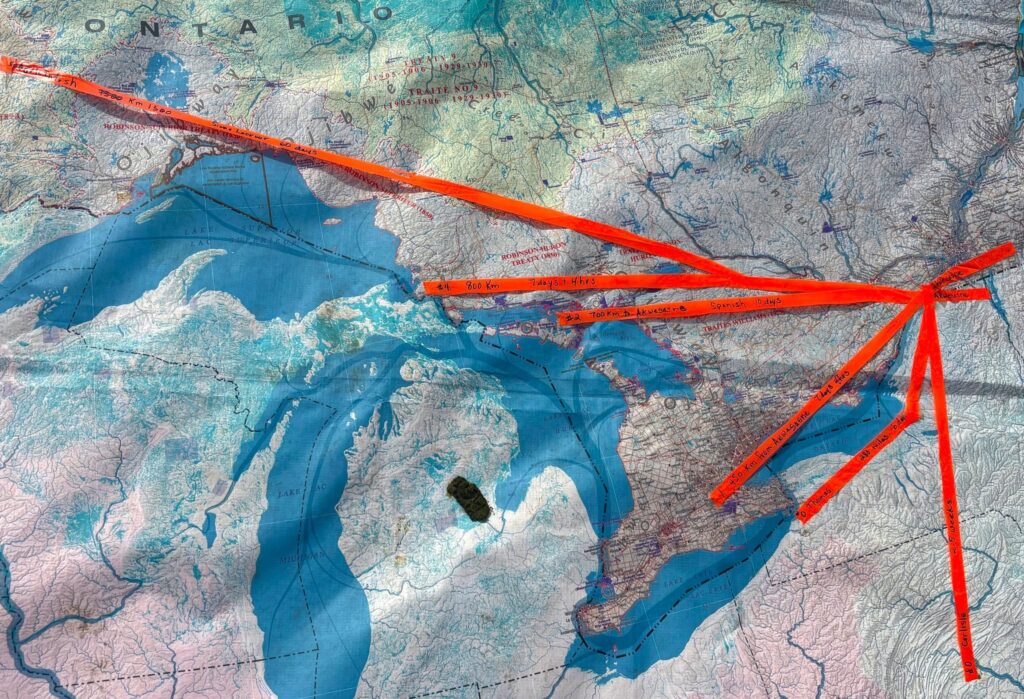
In a central area of the park, a large map displayed the location of residential schools and how far the children would have had to walk to return home, since there was no money to send them back. This visual aid showed the distance in kilometers, as well as the time it would take to walk to escape their situations.
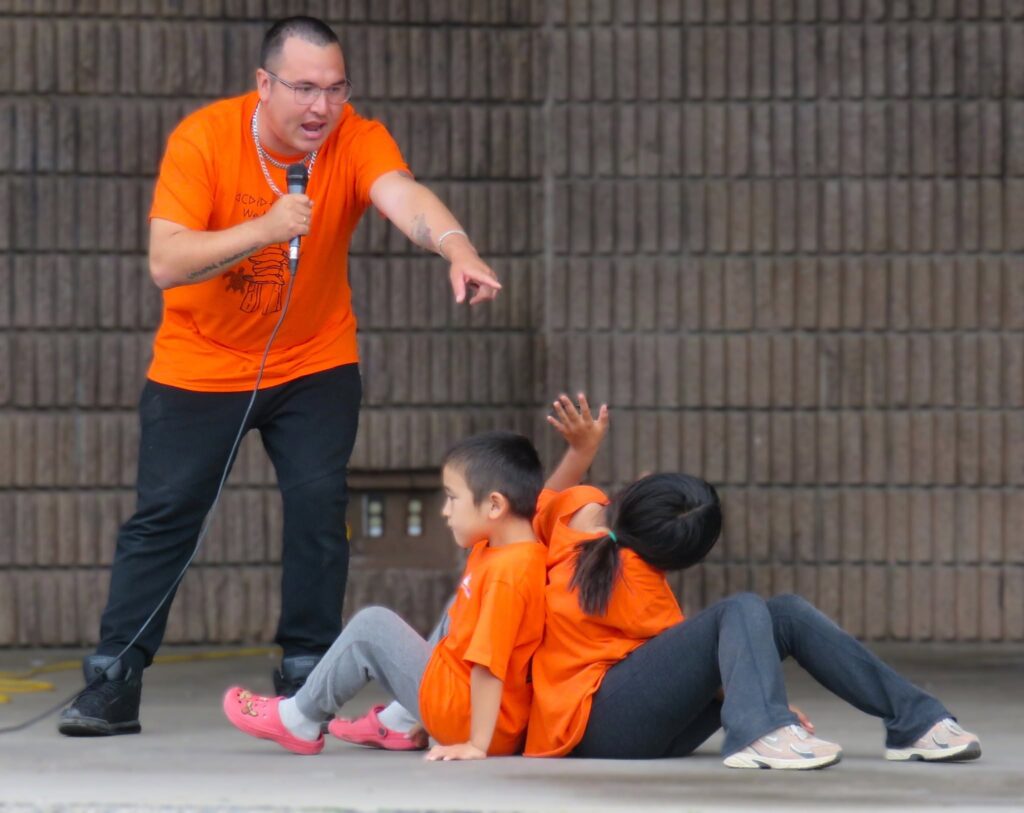
Guest William Komaksiutiksak from Nunavut, also known as Northern Knowledge, then took to the stage with his family. As the founder of the youth-led initiative Strong Minded Inuit (SMI), he was invited to present Inuit Games. As the children of residential school survivors, both his and his wife’s families also felt the effect on their lives. “It’s caused a lot of trauma to our families. And so, for our family to be strongly connected, to have that sense of community and belonging today, and to be able to practise our culture in today’s world is something that we don’t take for granted.”
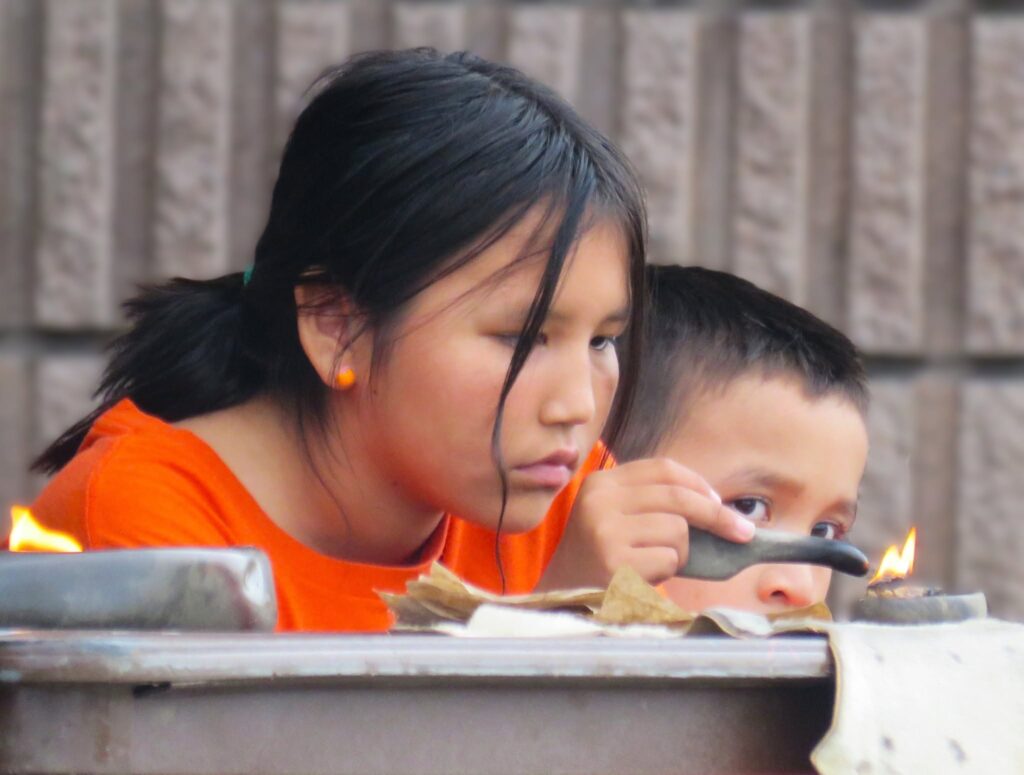
William then asked his wife and daughter to light kudliks, traditional oil lamps carved from soapstone and historically fuelled with whale or seal oil. The kudlik is a symbol of survival, resilience, warmth, and community in Inuit culture.
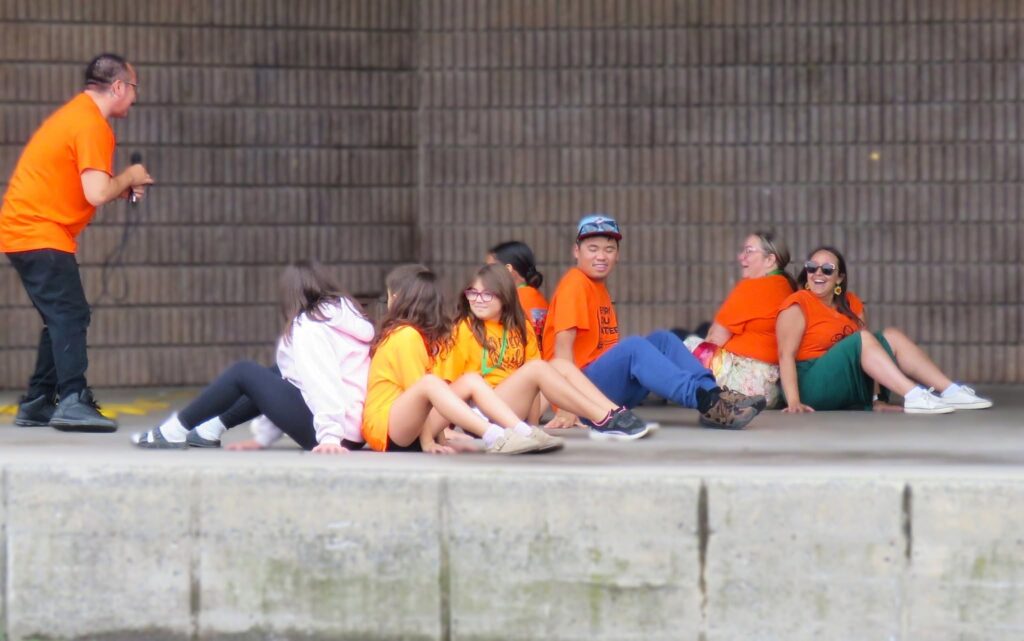
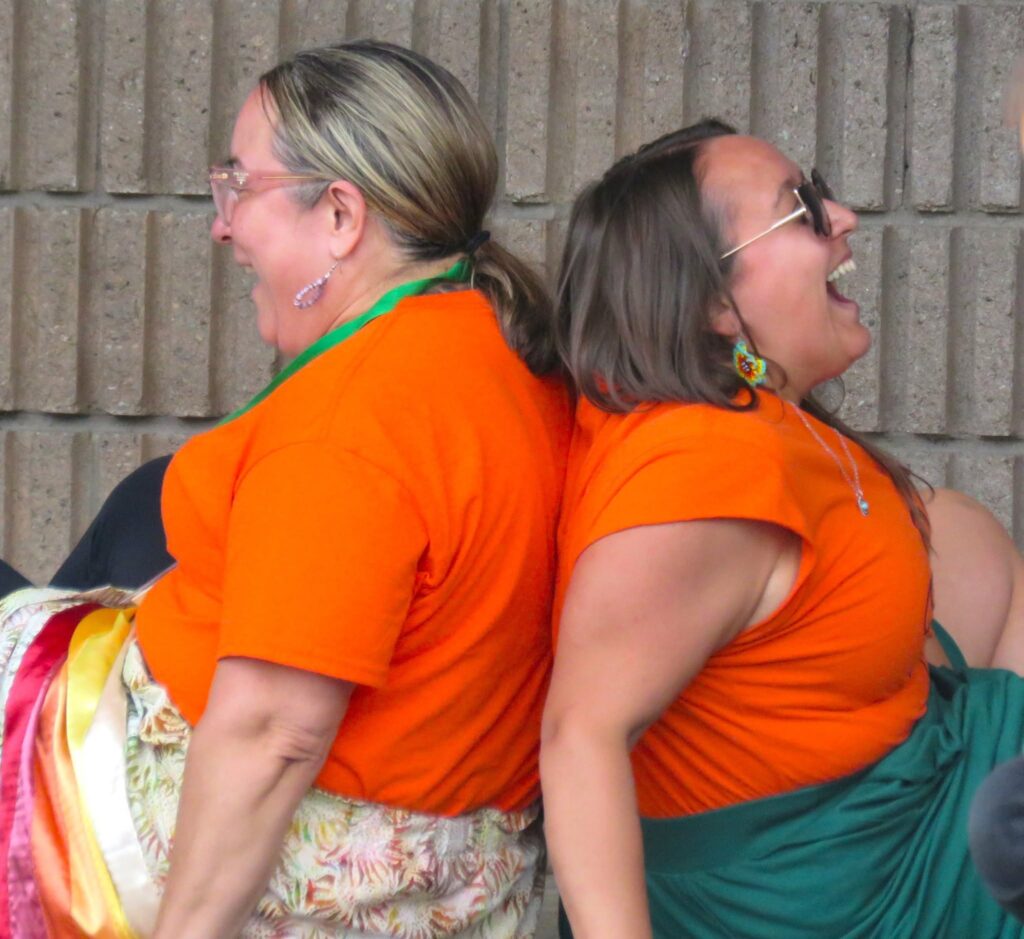
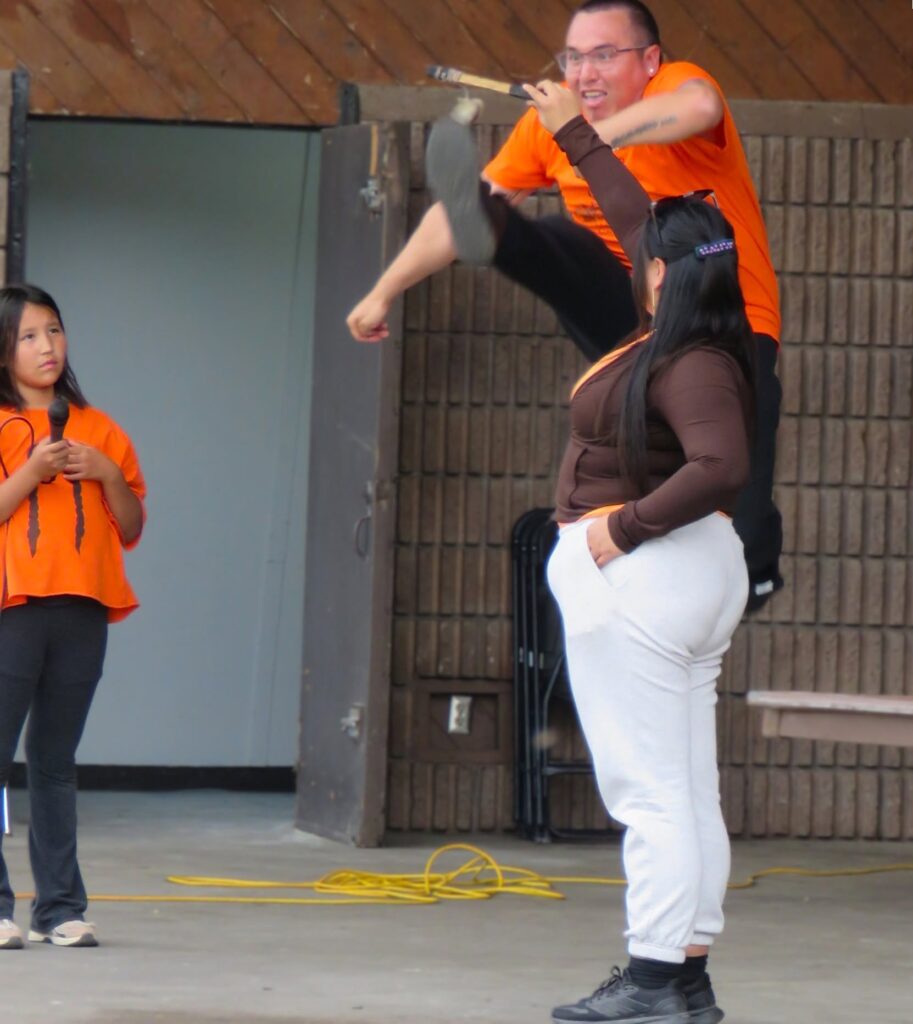
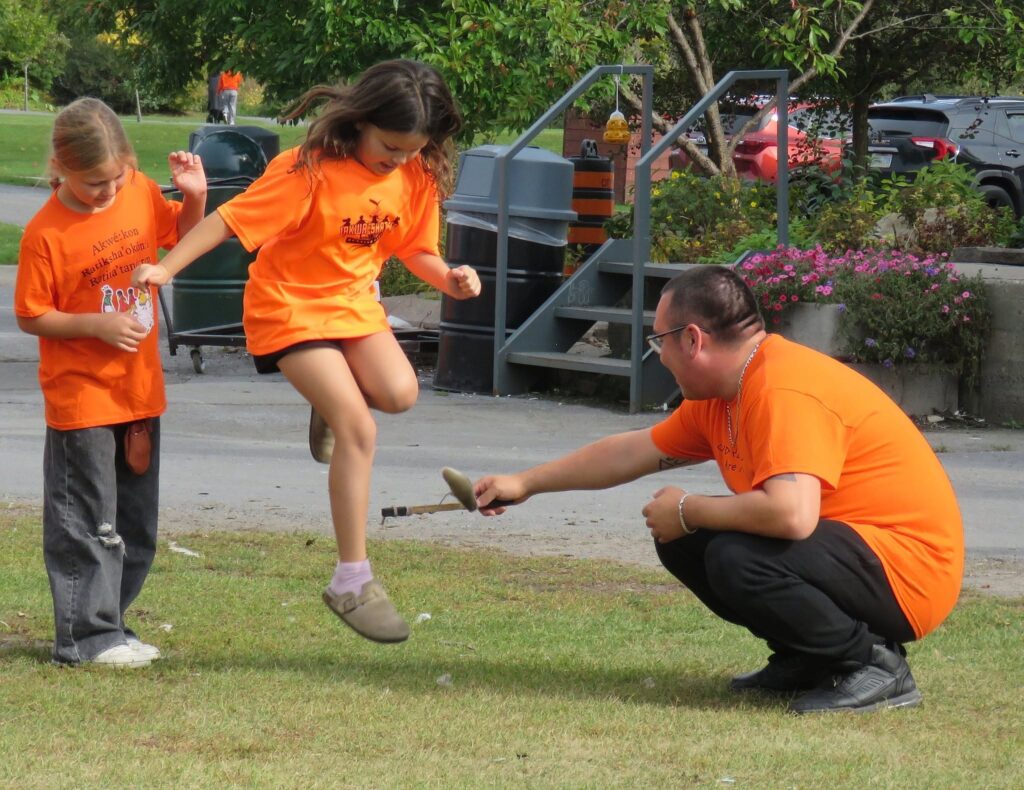
The games included the Back Push, Arm Pull, Finger Pull, and One- and Two-Foot High Kicks. Inuit Games, he explained, are designed to build strength. “Living in the harsh cold of the Arctic, you have to be physically strong to survive. It’s also about community building and connecting with each other.” Volunteers, mostly children and a few adults, were invited to participate.
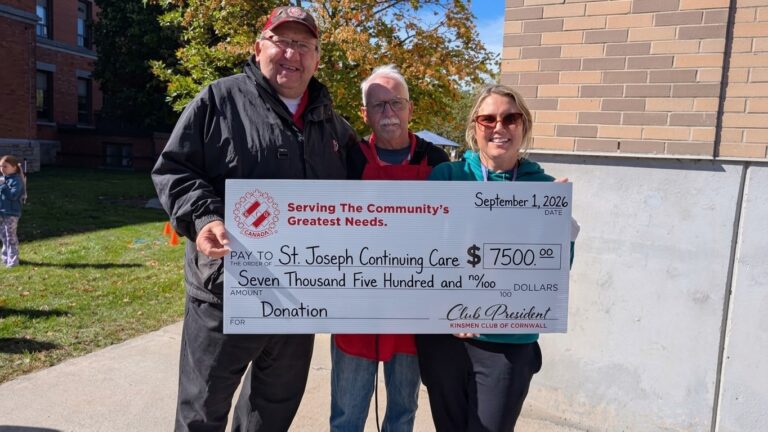
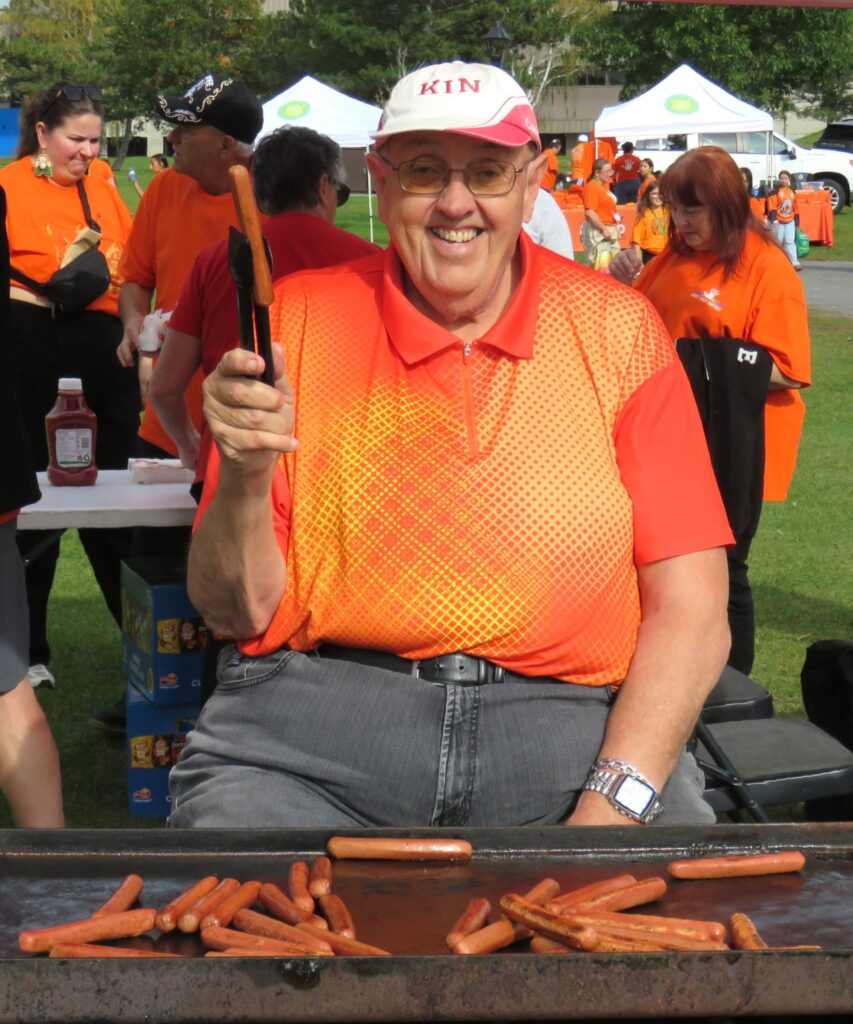
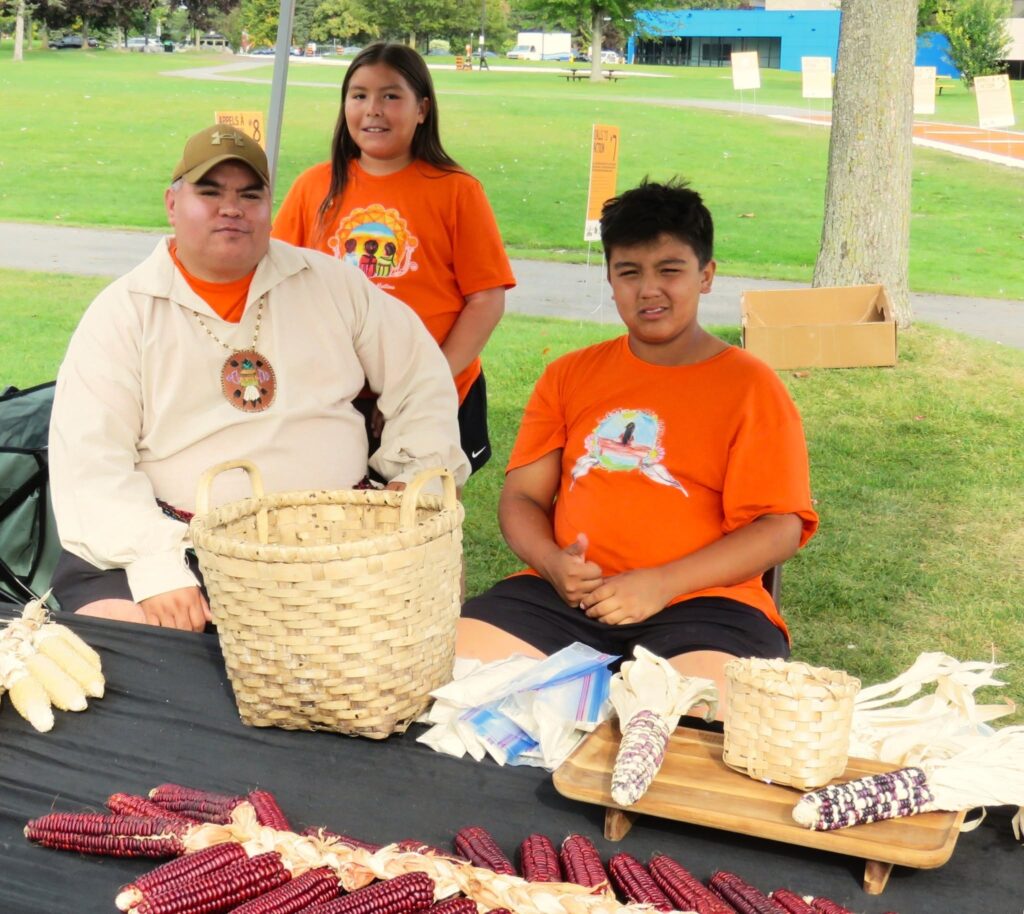
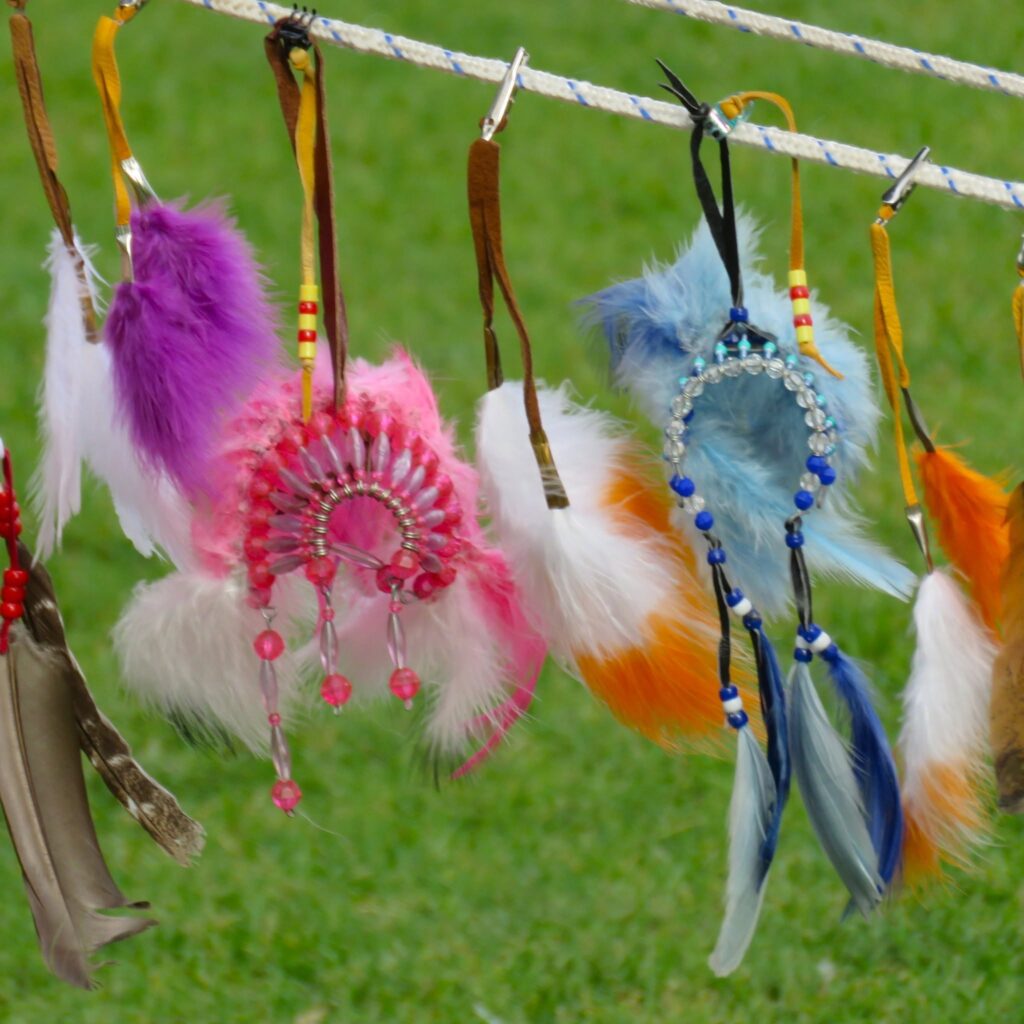
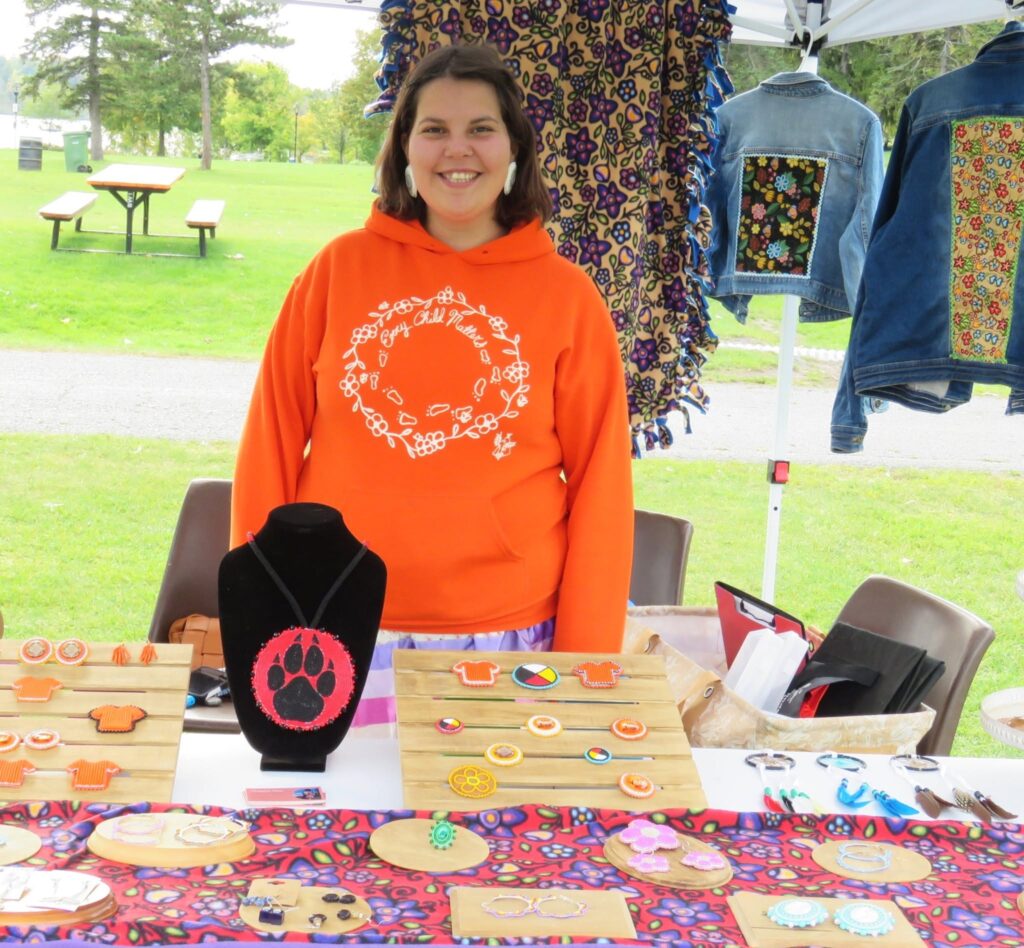
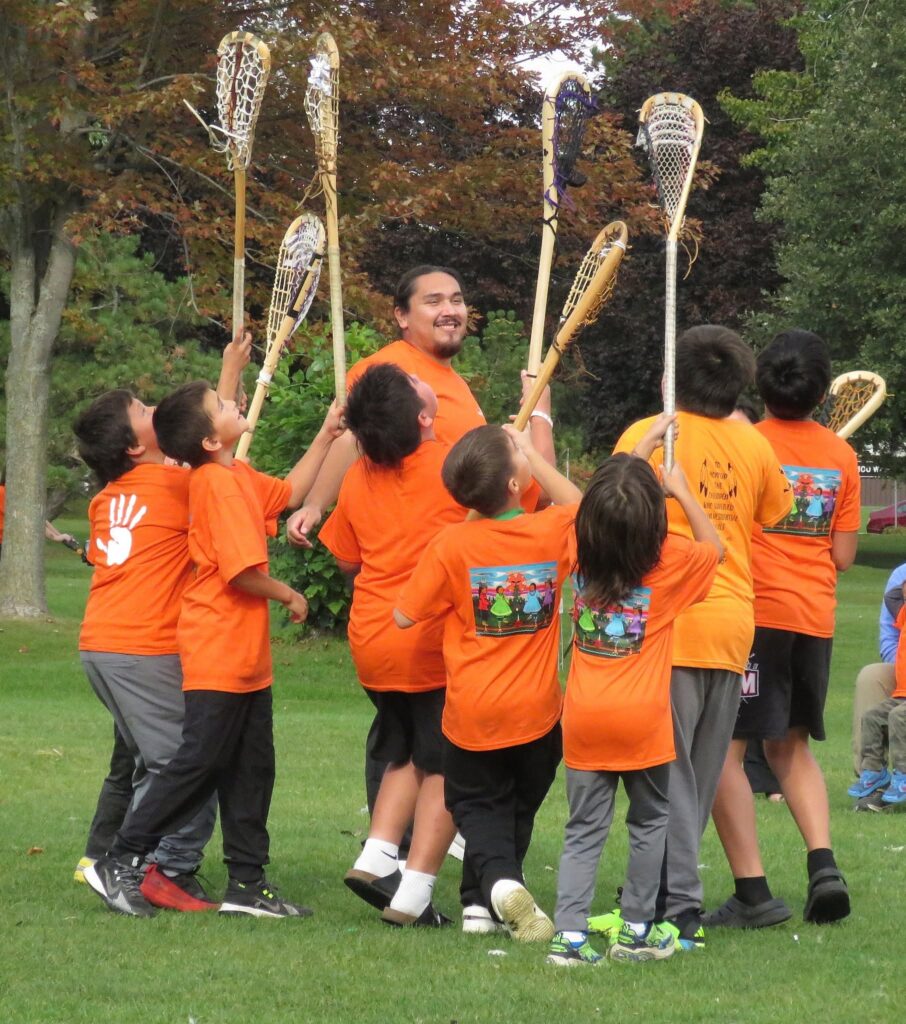
Corn washing, lacrosse and rattle-making demonstrations, followed. Indigenous artisans also showcased a range of traditional crafts, including dream catchers, leather moccasins, jewellery, and other handmade items. The Kinsmen Club of Cornwall provided complimentary hot dogs, chips, and bottled water.
By combining personal testimony, cultural teachings, and interactive demonstrations, the event provided both a reminder of a difficult chapter in Canada’s history and a celebration of the cultures that continue to thrive today. For those gathered at Lamoureux Park, Truth and Reconciliation Day was an opportunity to listen, learn, and reflect.
Shared on Facebook by Sylvie O’Rourke.
About the Author