


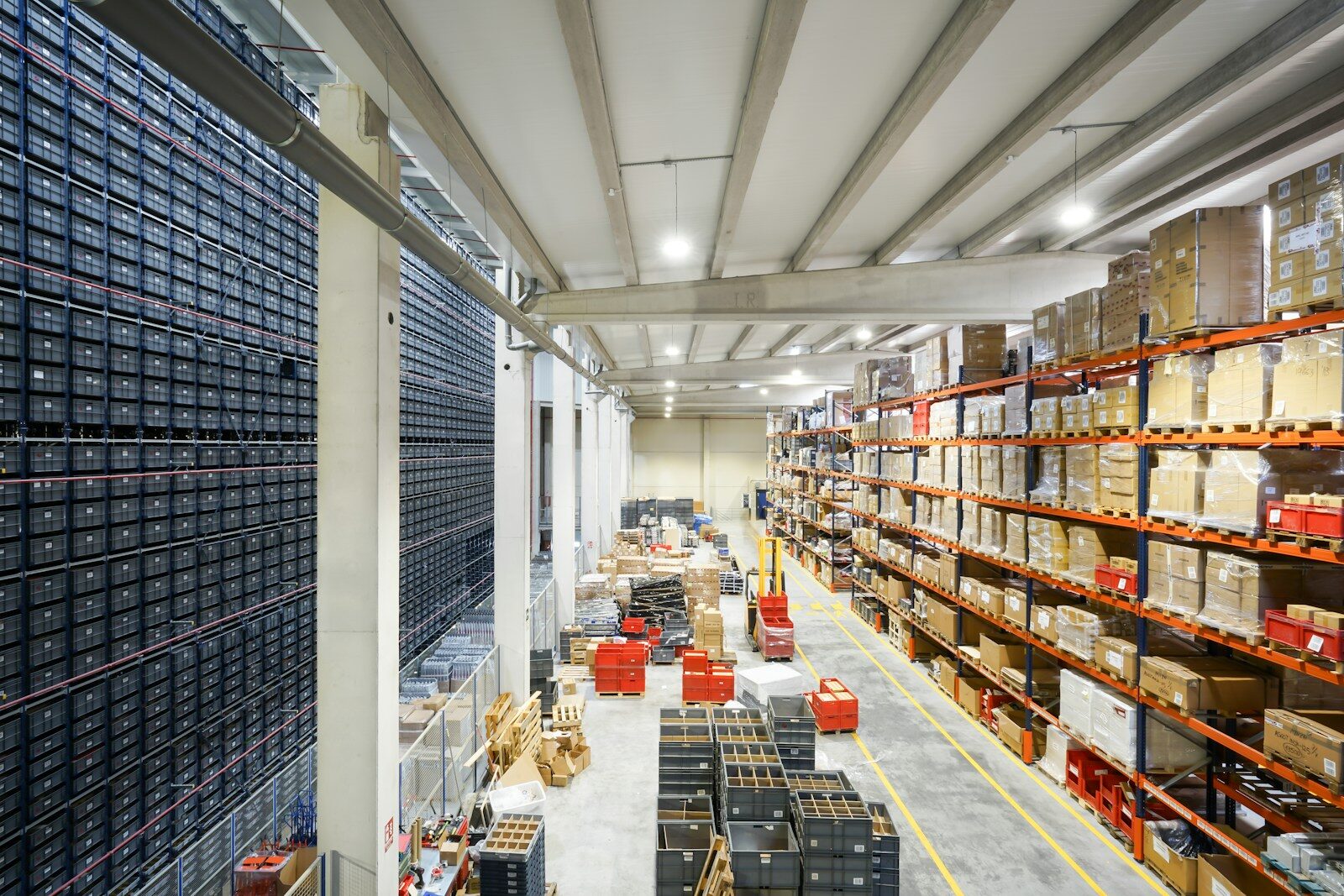
Managing a warehouse can be challenging, especially for beginners. It involves tasks like tracking inventory and operating equipment, all while keeping the workflow running smoothly. Understanding the basics can make the job easier and more enjoyable.
With some knowledge and organization, you can simplify warehouse management. Think of it as a fun challenge to optimize processes, keep things tidy, and ensure goods move efficiently. Here are some practical tips to help you.
Communication and Collaboration
Good communication is essential in warehouse management. Make sure all team members know their responsibilities and any procedure changes. Regular team meetings help everyone talk about challenges, share ideas, and give feedback. This teamwork encourages problem-solving and builds a strong team spirit.
Using communication tools, like project management software or messaging apps, can improve interactions. These tools support quick collaboration and help resolve issues during daily operations. When everyone understands the plan, the warehouse runs more smoothly.
Organization
The first step to effective warehouse management is staying organized. Create a clear product layout to make accessing and picking items easier. Group items by type or size and use clear labels to speed up operations. This way, employees can quickly find and return products, saving time.
Set up dedicated areas for receiving, storage, and shipping to reduce confusion. Think of it as arranging furniture in a room; a good setup improves functionality. Regularly check your organization system to keep things running smoothly.
Inventory Control
Good inventory management helps prevent having too much or too little stock. Start by using an inventory management system that fits the size of your warehouse. For smaller operations, a simple spreadsheet may work, while larger facilities might need a more advanced software solution.
It’s also a good idea to regularly count your stock. This ensures your records match what you have on hand. Using barcode scanners or RFID technology can speed up this process, saving time and improving accuracy to ensure you have the right products when customers need them.
Space Management
Maximizing your warehouse space can improve efficiency. Use vertical space by installing shelving and racking systems to store items higher up without making them hard to reach. This can free up space for staging or extra inventory.
Tools like a triple scissor lift can help workers reach higher storage safely and easily, allowing them to retrieve or store items without safety risks. These lifts can make workflow smoother in areas with low clearance.
Safety Practices
Safety is very important in warehouse management. Clear safety protocols protect your staff and inventory. Provide regular safety training and emergency drills to prepare everyone for unexpected situations. Place safety signs around the warehouse to remind employees about hazards and safe practices.
Make sure walkways are clear and emergency exits are accessible. Regularly maintain equipment and vehicles to prevent accidents and keep everything running smoothly.
Equipment Essentials
Investing in the right equipment is crucial. Besides lifts and racks, tools like pallet jacks and forklifts also improve efficiency. A double scissor lift is a great addition for tasks that require maneuverability in tight spaces. These lifts enable safe movement of goods and help workers reach items quickly, improving overall productivity.
Keep equipment in good working condition by scheduling regular maintenance checks. This keeps tools reliable and ensures employees can trust their equipment when they need it.
Team Training
A well-trained team works better. Training sessions help staff understand their roles and build a culture of safety and responsibility. Regular training on best practices, safety rules, and new tools keeps everyone informed.
Think about creating mentorship opportunities. Experienced workers can share their knowledge with new team members. When you create a friendly environment, team members will feel comfortable asking questions, which encourages learning and teamwork.
Technology Integration
Use technology to improve warehouse operations. Inventory management and shipping software can boost efficiency. These tools give real-time data, helping you make quick, informed decisions.
Mobile devices and apps that allow workers to scan items directly can simplify tasks, reduce mistakes, and increase productivity. Cloud-based solutions let you access important information from anywhere, which is very useful in today’s fast-paced world. As you start managing a warehouse, these tips can help you succeed. The right practices and tools can make running a warehouse easier. By focusing on safety, efficiency, and good training, you can turn warehouse management from a challenge into a positive experience.
About the Author