


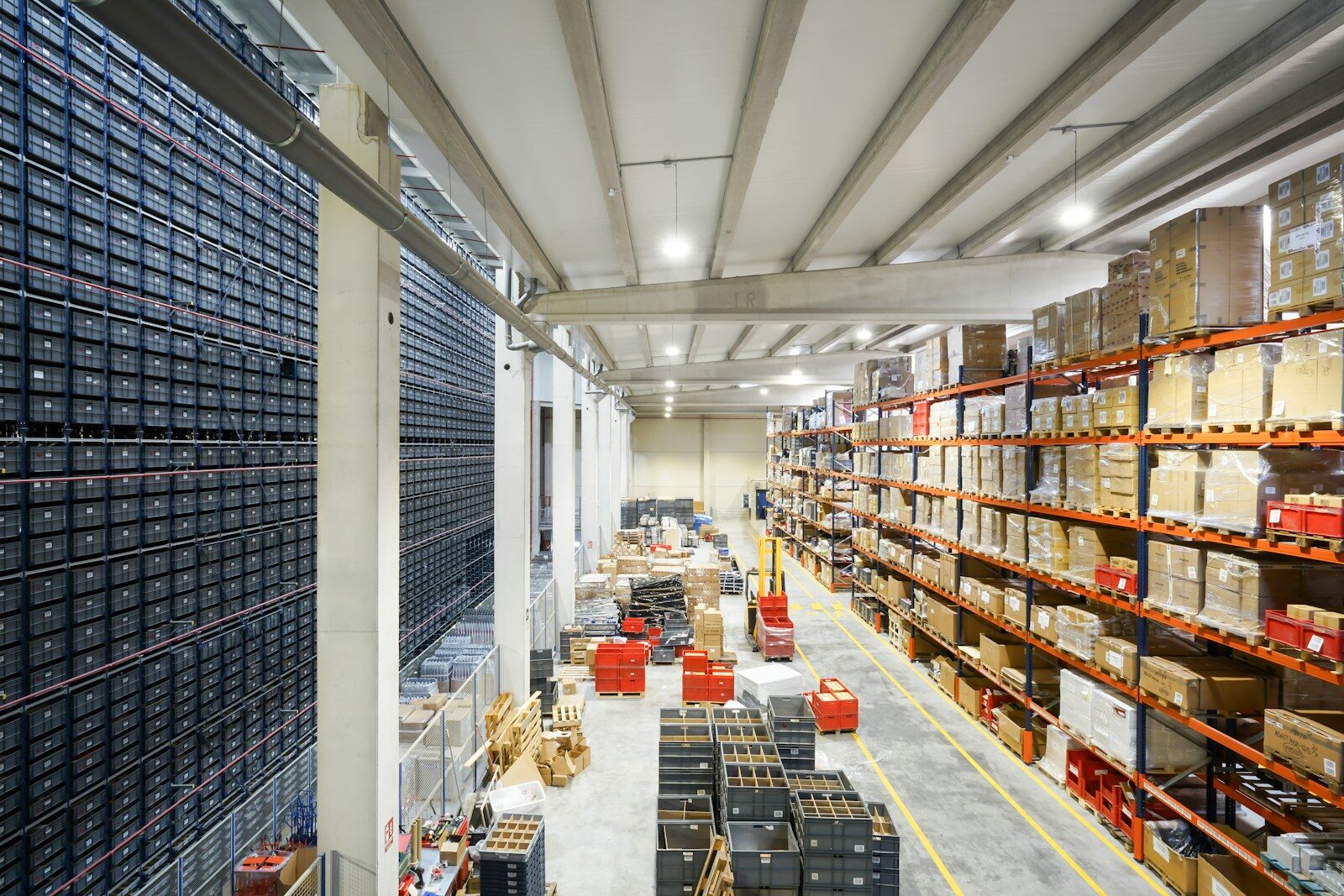
Companies that use multiple third party logistics warehouses are able to store goods near customers and react to shifts in regional requirements. Stock amounts often become imbalanced when order volumes differ across locations. Moving products between buildings helps maintain stock availability, though this task requires a detailed plan to prevent extra shipping costs, transit delays and data errors.
Review Inventory Levels
Managers begin the reallocation process – checking the current stock counts at every warehouse. Staff members compare the units on hand with existing orders, predicted sales, reorder thresholds and scheduled marketing events – these details indicate which buildings have more items than necessary and which sites lack sufficient stock.
Inventory audits must separate sellable units from those that are reserved for orders, broken or currently in transit. Treating all units as ready for sale leads to poor choices regarding how many items are available for transfer. Stable records provide a dependable foundation for logistics partners to organize these movements.
Assess Regional Demand
Purchasing habits differ across geographic areas – local sales trends are important when choosing where to send goods. Analysts study past order records and current transactions to find locations where sales are growing or falling – this step ensures that managers do not move stock based only on temporary changes in activity.
Future events are also relevant before a company moves any items. Seasonal marketing, new item releases and shifts in consumer behavior influence how much stock a specific building requires. Organizations that use ecommerce fulfillment services share these predictions with logistics providers to ensure products are in place before order numbers increase.
Plan Transfer Quantities
Decision-makers determine the exact number of units to move once they identify a need. The objective is not always to empty one warehouse or fill another to its maximum capacity. Transfer amounts are based on the expected sales volume, emergency backup stock, shipping duration and the units that must stay at the first location.
Transportation expenses are another factor in the planning phase. Small differences in stock levels might not be worth the cost of a transfer if shipping is expensive and the receiving site has enough items to satisfy customers. Comparing the price of shipping to the potential loss of a sale helps staff make logical choices.
Coordinate With 3PL Providers
Consistent updates to every warehouse manager are vital before a transfer begins. The company sends precise product descriptions, unit counts, shipping addresses and a preferred schedule. Warehouse staff then organize their dock space, arrange trucks and prepare for the physical labor involved.
Employees also verify how the systems will log the items during the move. A 3PL Ontario might require specific steps to remove stock from one computer system and add it to another. Standardizing the tasks prevents differences between the company’s digital records and the physical items held in each building.
Monitor Transfers
Staff track the movement of goods from the moment they leave the first warehouse until they arrive at the new destination. Managers follow the shipment status, the time of arrival and any problems that might delay the stock – this oversight is helpful when the incoming items are needed to fill waiting orders.
The arrival process includes a check to confirm that the physical units match the paperwork. Workers investigate any missing or extra items immediately so the errors do not appear in future reports. Fast corrections ensure that stock data is accurate and help managers decide if they must move more items.
Review Reallocation Results
Managers evaluate if the move was successful after the items arrive. They compare stock counts, order numbers, the time taken to ship to customers and transport prices to see if the movement improved operations – these checks also find recurring issues that suggest a need for a different strategy in the future.
Frequent study of these results helps companies choose better storage locations over long periods. If one building is always out of stock while another is always overfilled, the cause is often related to sales predictions or purchasing habits rather than a single transfer. Solving these basic problems reduces the need to move items unnecessarily.
Conclusion
Directing inventory between multiple 3PL warehouses is a task that relies on correct data, regional sales studies, careful planning and clear updates. Organizations make better choices about moving goods when they observe both stock shifts and customer habits. A set process keeps products available for purchase and limits the cost of shipping and labor.
About the Author