


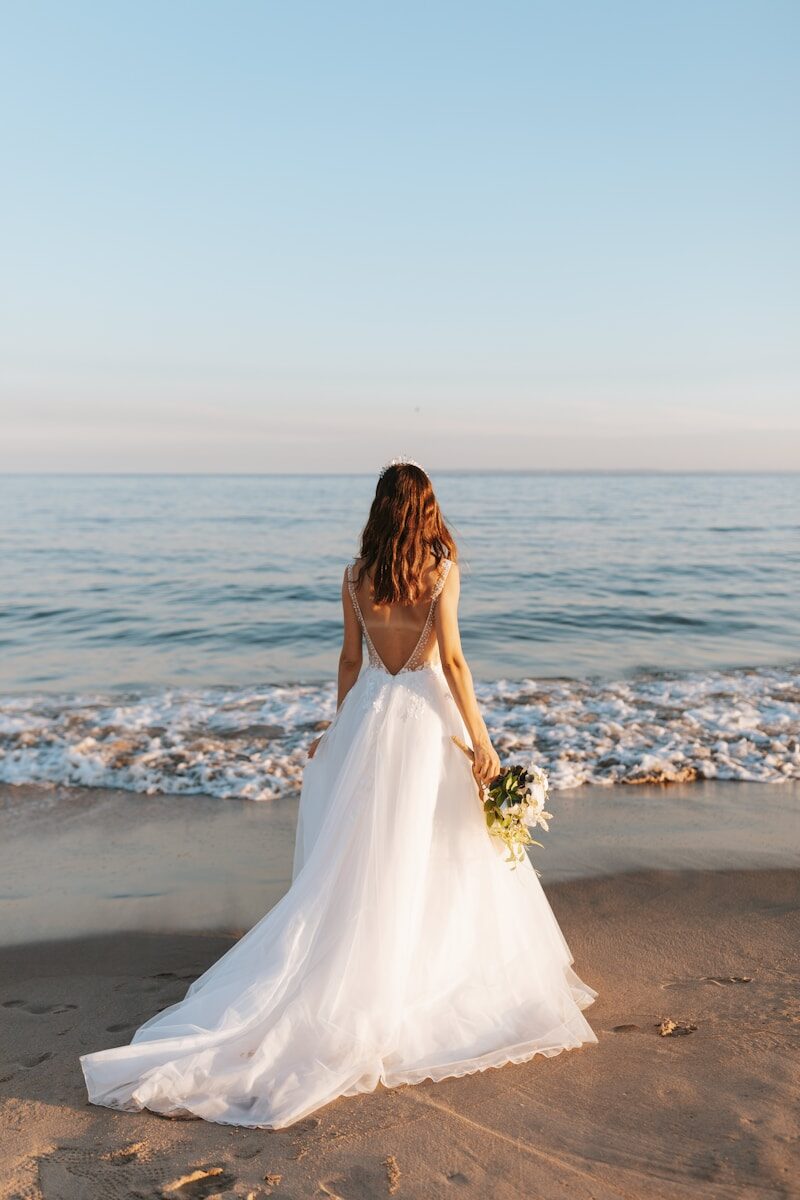
Weddings have always reflected cultural values, social expectations, and personal priorities. For decades, the dominant image of a wedding was grand, highly curated, and often expensive. However, in recent years, there has been a noticeable shift toward simpler, more intentional celebrations. Couples are rethinking what truly matters, and this change is reshaping not only how weddings are planned but also how bridal fashion is evolving.
In this new landscape, practicality and authenticity are becoming more important than extravagance. Brides searching for options like wedding dresses Canada are no longer focused solely on dramatic silhouettes or heavily embellished gowns. Instead, they are looking for pieces that align with their values, comfort, and the overall tone of a more relaxed celebration.
Why Simpler Weddings Are Becoming the Norm
Changing Priorities
One of the biggest drivers of this trend is a shift in priorities. Many couples today prefer to invest in experiences rather than a single-day event. Travel, home ownership, and financial stability often take precedence over lavish wedding budgets.
This doesn’t mean weddings are becoming less meaningful. In fact, the opposite is true. Simpler weddings tend to focus more on personal connection, meaningful rituals, and time spent with close friends and family.
Economic Reality
Weddings can be expensive, and rising costs have made many couples reconsider traditional expectations. Cutting back on guest lists, decor, and venue costs allows for a more manageable budget.
As a result, bridal fashion is also adapting. Brides are less likely to spend excessively on a dress they will wear once and more likely to choose something versatile, comfortable, and reasonably priced.
Influence of Minimalist Culture
Minimalism has become a broader lifestyle trend, influencing everything from interior design to fashion. Weddings are no exception.
Clean aesthetics, neutral palettes, and understated details are replacing overly elaborate designs. This shift naturally extends to bridal wear, where simplicity is becoming a defining feature.
How Bridal Fashion Is Adapting
Rise of Minimalist Silhouettes
Modern bridal fashion is moving away from overly structured gowns and excessive layers. Instead, designers are focusing on clean lines and timeless shapes.
Popular options now include:
- Slip dresses
- A-line silhouettes
- Tailored, structured gowns with minimal embellishment
These styles emphasize the bride rather than the dress itself. The goal is elegance without distraction.
Focus on Comfort
Comfort is no longer an afterthought. Brides want to feel at ease throughout the day, especially as weddings become more relaxed and less formal.
This has led to:
- Softer fabrics like silk, chiffon, and crepe
- Lightweight designs suitable for outdoor or destination weddings
- Shoes and accessories that prioritize wearability
A comfortable bride is more present, more confident, and more able to enjoy the experience.
Versatility and Reusability
Another major shift is the desire for clothing that can be worn again. Traditional wedding dresses are often impractical beyond the ceremony, but modern brides are challenging that norm.
Design trends now include:
- Two-piece bridal outfits
- Convertible dresses with removable skirts or sleeves
- Simple gowns that can be restyled for future events
This approach aligns with sustainability and practicality, both of which are increasingly important.
The Role of Sustainability in Bridal Choices
Conscious Consumption
Sustainability is no longer a niche concern. Many couples are actively trying to reduce waste and make more responsible choices.
In bridal fashion, this translates to:
- Choosing ethically produced garments
- Supporting smaller or local designers
- Avoiding fast fashion and mass production
Vintage and Second-Hand Dresses
Pre-owned wedding dresses are gaining popularity. Vintage pieces offer uniqueness and often higher craftsmanship compared to modern mass-produced gowns.
They also reduce environmental impact, making them an appealing option for eco-conscious brides.
Made-to-Order Production
Instead of mass inventory, many brands now offer made-to-order dresses. This reduces waste and allows for better customization.
Brides can get a dress tailored to their needs without contributing to overproduction.
Smaller Weddings, Different Dress Expectations
Intimate Venues Change the Dress Code
When weddings are held in backyards, small venues, or nature settings, traditional ball gowns often feel out of place.
Instead, brides are choosing:
- Short dresses
- Simple midi-length gowns
- Relaxed silhouettes that match the setting
The dress becomes part of the environment rather than a centerpiece that dominates it.
Destination and Micro-Weddings
Destination weddings and micro-weddings are particularly influential in this shift. These formats require practicality.
Brides need dresses that are:
- Easy to travel with
- Suitable for different climates
- Simple to move in
Heavy, layered gowns are increasingly impractical in these contexts.
Redefining What “Bridal” Looks Like
Breaking Away from Tradition
White dresses are still popular, but they are no longer the only option. Brides are experimenting with:
- Soft pastels
- Champagne tones
- Even bold colors
Similarly, traditional silhouettes are being replaced with modern alternatives like tailored suits or jumpsuits.
Personal Style Over Expectations
Bridal fashion is becoming more about individual expression. Instead of following trends, brides are asking: “Does this feel like me?”
This leads to more diverse and interesting choices, including:
- Non-traditional fabrics
- Unique cuts
- Personalised details
The result is a more authentic representation of the person wearing the dress.
The Influence of Social Media and Real Weddings
Realism Over Perfection
Social media has played a paradoxical role. While it once promoted highly curated, picture-perfect weddings, it is now also driving the move toward authenticity.
Brides are sharing real experiences, smaller celebrations, and practical choices. This transparency helps normalize simpler weddings.
Inspiration from Everyday People
Instead of only looking at celebrity weddings or styled shoots, couples are now inspired by real weddings from people like them.
This creates a feedback loop:
- Simpler weddings become more visible
- Visibility increases acceptance
- Acceptance drives demand
Bridal fashion responds accordingly by offering more accessible and realistic options.
What This Means for the Future of Bridal Fashion
Less Pressure, More Choice
The shift toward simplicity reduces pressure on brides to conform to a single idea of what a wedding should look like.
This opens the door to:
- More inclusive sizing and styles
- Greater price range flexibility
- Designs that prioritize real-life usability
Innovation Through Simplicity
Interestingly, simplicity does not limit creativity. It challenges designers to focus on:
- Fabric quality
- Fit and tailoring
- Subtle, meaningful details
This results in pieces that are understated but still distinctive.
A More Sustainable Industry
As demand for simpler, more versatile dresses grows, the industry is likely to become more sustainable overall.
Less waste, fewer one-time-use garments, and more thoughtful production methods are all positive outcomes of this shift.
Conclusion
The move toward simpler weddings is not just a passing trend. It reflects deeper changes in how people view relationships, finances, and personal expression. Bridal fashion is evolving in response, becoming more practical, versatile, and aligned with modern values. Instead of focusing on spectacle, today’s brides are choosing authenticity. Their dresses reflect who they are, how they want to feel, and what truly matters on their wedding day.
About the Author