
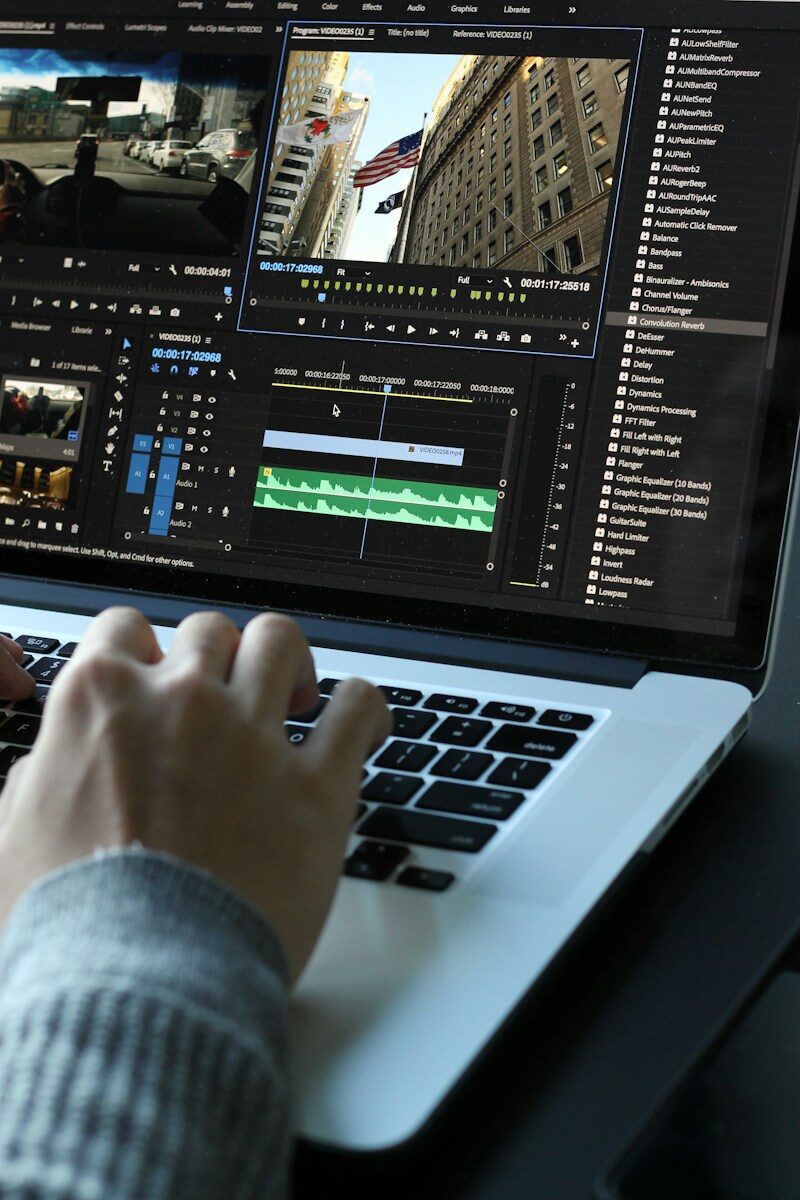
Video has quietly become one of the main ways people share information, pitch ideas and tell stories online. A tutorial on fixing a dripping tap, a quarterly sales update, a clip of a dog meeting snow for the first time: almost every industry now leans on video in some form. Viewers have grown harder to impress, though, and they notice what’s sitting behind the person on screen. A pile of laundry in the corner can undo a perfectly good presentation. That’s why background editing has moved from a nice extra to a regular step in modern video production.
Understanding Video Background Removal
Video background removal is about pulling the main subject apart from everything around it. Editors can then drop an unwanted backdrop, swap in a different scene or tidy the frame. It’s a trickier job than editing a photo. A still image stays put. Video doesn’t. People shift in their seats, the light changes as a cloud passes the window, and a cat may wander into shot halfway through.
Artificial intelligence, computer vision, colour detection and other image-processing methods can all play a part. Each frame is studied to work out what belongs to the subject and what belongs to the background. The more capable tools keep that split steady as the footage moves, so nobody is left nudging outlines into place frame by frame late into the evening.
How Artificial Intelligence Improves Background Editing
AI has dramatically changed the way video backgrounds get handled. The older approach leaned on green screens, carefully arranged lights and painstaking manual masking. Those methods still work, but they call for extra kit and a fair amount of know-how, which isn’t much use to someone filming in a spare bedroom.
AI-powered systems take a different route. Their trained models have learned to recognise people, objects and settings, reading edges, shapes, colours and movement to find the main subject. So a person can be lifted out of an ordinary kitchen or home office without any special setup. No green sheet pinned to the wall required.
A modern video background remover takes much of the effort away by spotting the foreground on its own and cutting it free from the scene. Many editing workflows then let users fill the gap with a plain colour, a still image or another clip. How convincing it all looks still depends on how good the original footage is and how accurately the detection technology does its job. Good tools can’t fully rescue poor footage.
Common Uses Across Different Industries
Background removal turns up in more corners of digital media than most people would guess.
Educational Content: Teachers and online instructors use background editing to keep lessons focused. With a cluttered bookshelf out of the picture, students watch the speaker and the material rather than wondering what that poster says.
Marketing and Business: Companies are always turning out promotional videos, product demos and presentations. A consistent background gives all of it a recognisable look, whether a customer is watching an advert or a how-to clip.
Social Media: Plenty of creators film in everyday places, from a living room to a car parked outside the shops. Swapping the background lets them post polished, eye-catching content without hiring a studio.
Entertainment and Gaming: Streamers and video makers rely on background separation to place themselves inside digital worlds, gameplay footage and creative scenes. It’s how a streamer can appear to sit right beside the game they’re playing.
Online Meetings: Background editing makes virtual calls easier on everyone, too. It hides distractions, like a family member wandering past with a laundry basket, and helps people look a little more professional.
Factors That Influence Background Removal Quality
Automated editing has come a long way, but a few things still have a big say in the result. Lighting matters most. In a dim room, the software can struggle to tell where the person ends and the room begins. Patchy light brings shadows that leave odd smudges round the edges. A single desk lamp off to one side is often enough to cause trouble.
The subject’s appearance counts as well. A grey jumper against a grey wall can leave the software puzzled. Stray strands of hair, sheer fabrics and hands moving quickly mid-sentence are hard to handle cleanly, too. These are often the spots where a faintly ghostly outline gives the game away.
Resolution and compression make a difference. Sharper footage carries more visual information, helping the software pick out edges and fine details. A heavily squashed clip sent over a messaging app has less to offer. That’s why recording conditions are worth thinking about before any removal work begins. A few minutes spent on setup can save an hour of fixing later.
Tips for Achieving Natural Results
A few practical habits make background editing far more convincing. The first is a backdrop that stands out from the subject. A dark shirt separates far more cleanly against a light wall than against a navy curtain. Good lighting then does much of the heavy lifting, keeping a crisp line between the person and the room.
The second is watching the whole video rather than glancing at the opening frame and calling it done. Movement can bring small glitches a still preview won’t reveal. An outline that looks perfect at the start may flicker the moment someone leans forward. Hair, hands, clothing edges and anything passing close to the subject deserve a careful look.
The third is choosing a new background that suits the footage in perspective, lighting and mood. A sunny beach can look stunning on its own and oddly out of place behind someone lit by a cool office lamp. When the light on a face doesn’t match the scene, viewers notice, even if they can’t say why.
The Future of Video Background Technology
As artificial intelligence and computer vision keep improving, background removal is set to grow more sophisticated. Future tools are likely to cope better with complicated movement, see-through objects, shifting light and busy settings. Someone spinning round in a swivel chair may soon stop being a headache.
Real-time processing is moving quickly as well. Faster systems will make background editing far more practical during live broadcasts, virtual meetings and interactive presentations, where there’s no chance to tidy things up afterwards. The edit happens as the words are spoken.
Good background removal does more than clear away a messy room. It gives creators control over how their work looks, keeps audiences focused and makes ideas easier to follow. As editing technology moves forward, these tools will keep shaping how stories get told on screen, from quick social clips to professional video production. The background may sit behind the subject, but it’s rarely an afterthought.
About the Author