


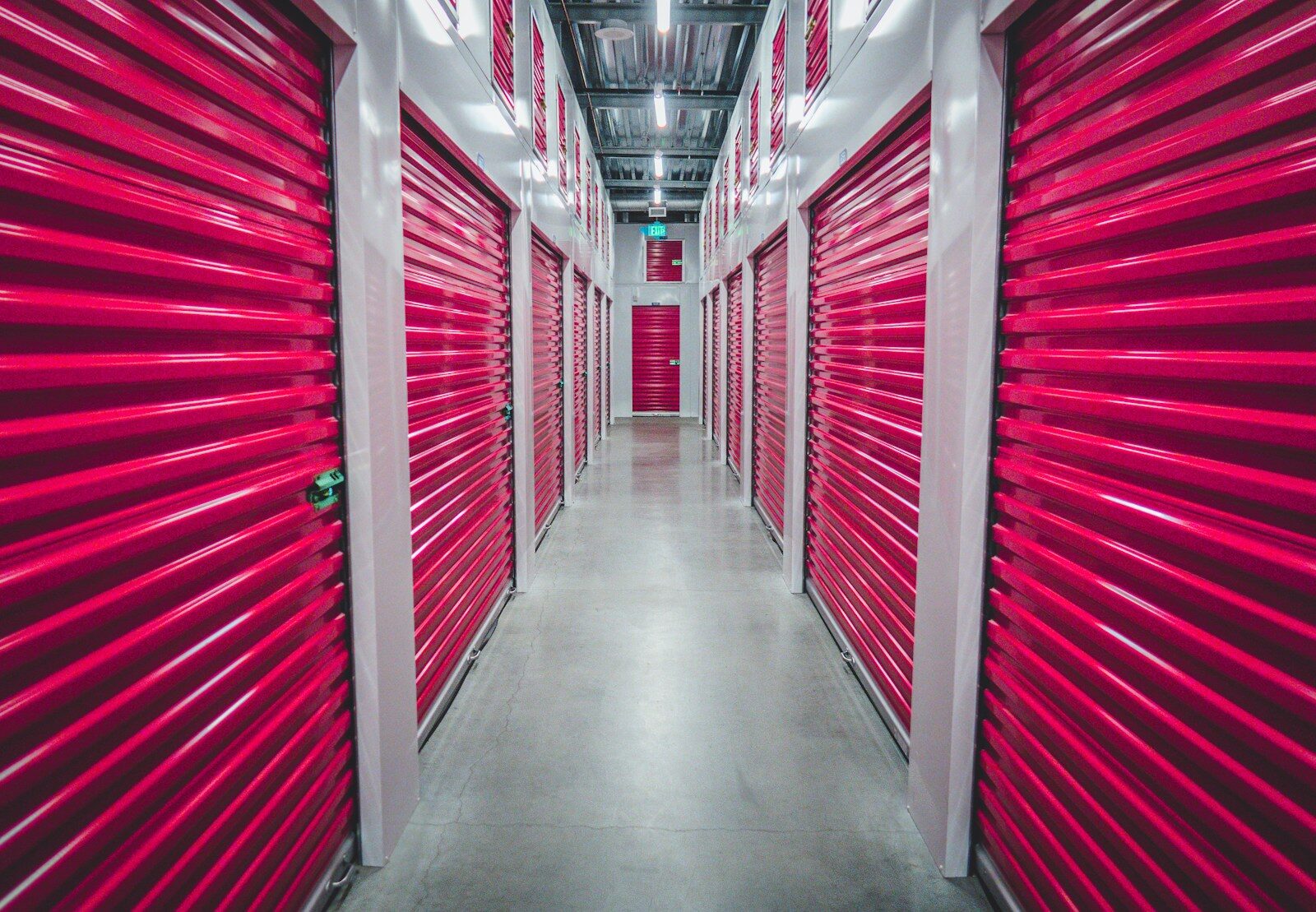
When disasters strike, operations may halt without notice – losses mount, machines break, time slips. Though storms arrive, fires spread, waters rise, or buildings fail, firms often seek shelter for vital resources amid cleanup. Because preparation happens early, some organizations adapt faster, their methods steady under pressure. What remains clear is that resilience grows where planning existed before the crisis.
When disasters strike, having extra storage ready makes response efforts smoother. Not only do mobile units offer space fast, but they also protect belongings at risk. Without them, businesses might struggle to manage displaced equipment or records. With access to secure containers, teams keep critical tasks going despite interruptions. The ability to respond quickly often depends on preparations made well before a crisis hits.
Protection Of Business Assets
When disaster strikes, safeguarding company property becomes essential. These mobile storage options shield vital materials from harm. Equipment, stock, paperwork, furniture – each finds shelter within them. As situations deteriorate, early planning allows transfer of key assets into strong enclosures. Protection begins before threats escalate. Items stay safe inside until workplaces function normally again. Risk of irreversible damage drops significantly under such arrangements. Preparedness defines the difference between recovery and ruin.
Once disaster strikes, portable units serve practical roles. When repair work is underway, recovery crews require interim space – containers offer that. Supplies, spare parts, and recovered stock find secure storage inside them. With adaptable setups in place, operations regroup efficiently despite disruption. Clutter fades. Pauses shorten. Order returns faster than expected.
Keeping Operations Running
When emergencies occur, keeping business running matters most. If workers lose access to equipment, files, or stock, normal tasks slow down sharply. Instead of halting work, some firms rely on mobile storage units to stay active. These temporary spaces supply fast entry to critical supplies if main sites shut down unexpectedly. Staff reach needed resources quickly through local units rather than depend on distant logistics.
Some firms rely on movable structures to set up short term operational spaces while rebuilding. Nearby access to building supplies, desks, tools, or reserve materials allows crews to stay productive. Where storms happen regularly, organizations might plan years ahead by adding transportable facilities into emergency plans. Firms looking at reliable storage Hamilton tend to see benefits in ready, flexible systems well before crises occur.
More Order While Healing
When companies fail to organize well, responding to disasters grows complicated. Among scattered debris, emergency provisions pile up alongside spare machinery, adding confusion. A temporary container offers fixed space where such things belong. From there, crews sort what stays from what goes, streamlining progress. Order emerges gradually, even amid disruption.
When recovery steps are structured, pressure on staff and leaders tends to ease. Rather than searching for lost documents or spare stock, companies may store essentials in mobile containers, simplifying retrieval. Because order replaces confusion, choices happen more quickly, while repair teams spend time fixing systems, not sorting chaos. With foresight paired to strong holding methods, reaction during crises often moves quicker, works better. Preparation shaped by clear thinking improves how fast stability returns after disruption.
Smart Ways To Prepare Without Spending Much
Should extra space be needed only occasionally, renting remains a sensible choice. When crises strike, access to dependable storage matters most. Not every company uses expanded facilities all year round. Yet readiness cannot wait on forecasts. Temporary units answer sudden needs without fixed costs. Committing to buildings or lengthy agreements becomes unnecessary this way. Flexibility arrives through rental options when disruption hits without warning.
During recovery, monetary advantages remain evident. When inventory and equipment are secured promptly, firms sidestep both replacement outlays and interruptions affecting income. Because temporary systems enhance orderliness, they contribute to swifter interventions and more secure management of critical assets. Should organizations integrate mobile solutions into contingency strategies, they frequently observe upfront safeguards that demand fewer resources than rebuilding following severe incidents.
Flexibility Across Industries
When disasters strike, portable storage units offer practical solutions for multiple sectors. Tools and supplies on construction sites remain secure through severe weather or paused work schedules. Instead of leaving goods exposed, retail outlets shift stock offsite until repairs finish at primary locations. Medical centers gain flexibility by keeping essential items nearby when normal spaces become unusable. Schools maintain continuity by housing records and equipment away from affected buildings. Manufacturing plants avoid delays using external areas to hold components during facility disruptions.
Portable units serve well when help is needed briefly or for extended periods. Where one firm might need support for just weeks, another could rely on these containers across many months of reconstruction. Delivery straight to site means access stays simple even as demands shift. Adaptability arrives without burdening daily operations.
Conclusion
When unexpected situations arise, having access to transportable storage can make a difference. Efficiency during response phases tends to improve when companies plan ahead using mobile solutions. Protection of essential materials becomes more manageable through such means. Operational flow stays steadier under pressure due to these flexible options. Recovery tasks proceed in a structured way when assets remain secure. Downtime shrinks noticeably where temporary units support workflow. Resilience grows stronger over time if systems adapt well. Businesses benefit quietly behind the scenes without needing attention.
About the Author