


Another year, another set of resolutions incoming. They all, no doubt, will involve the vague “get in shape”, productivity, and becoming an entirely new person by February. Let’s pivot right now and make 2027 a year of learning something enjoyable instead. Something that gives the constantly overworked operations department in our brains a different assignment, preferably without draining our bank accounts.
The good news is that creativity doesn’t have to be expensive. Drawing equals a pencil plus decent paper. Maybe throw in a free tutorial or a YouTube video. Amateur filmmaking and video creation is more than possible with a smartphone, two connected brain cells, a little sense of beauty and a browser-based video editor Clideo, which will take care of the trimming, color palette changes, subtitle generation, montage, and all the rest.
And I’m not just saying that. Research supports the idea that creative pursuits are good brain food. A 2024 study involving 7,182 adults found that participation in arts and crafts was associated with greater happiness, life satisfaction, and a stronger sense that life is worthwhile. In turbulent times, there’s something particularly reassuring about being able to make, mend, or create something yourself. Here are five hobbies worth exploring in 2027.
#1. Amateur filmmaking. Approach the ordinary with awe
Start somewhere easy, and if you’re Fellini inside, it will show.
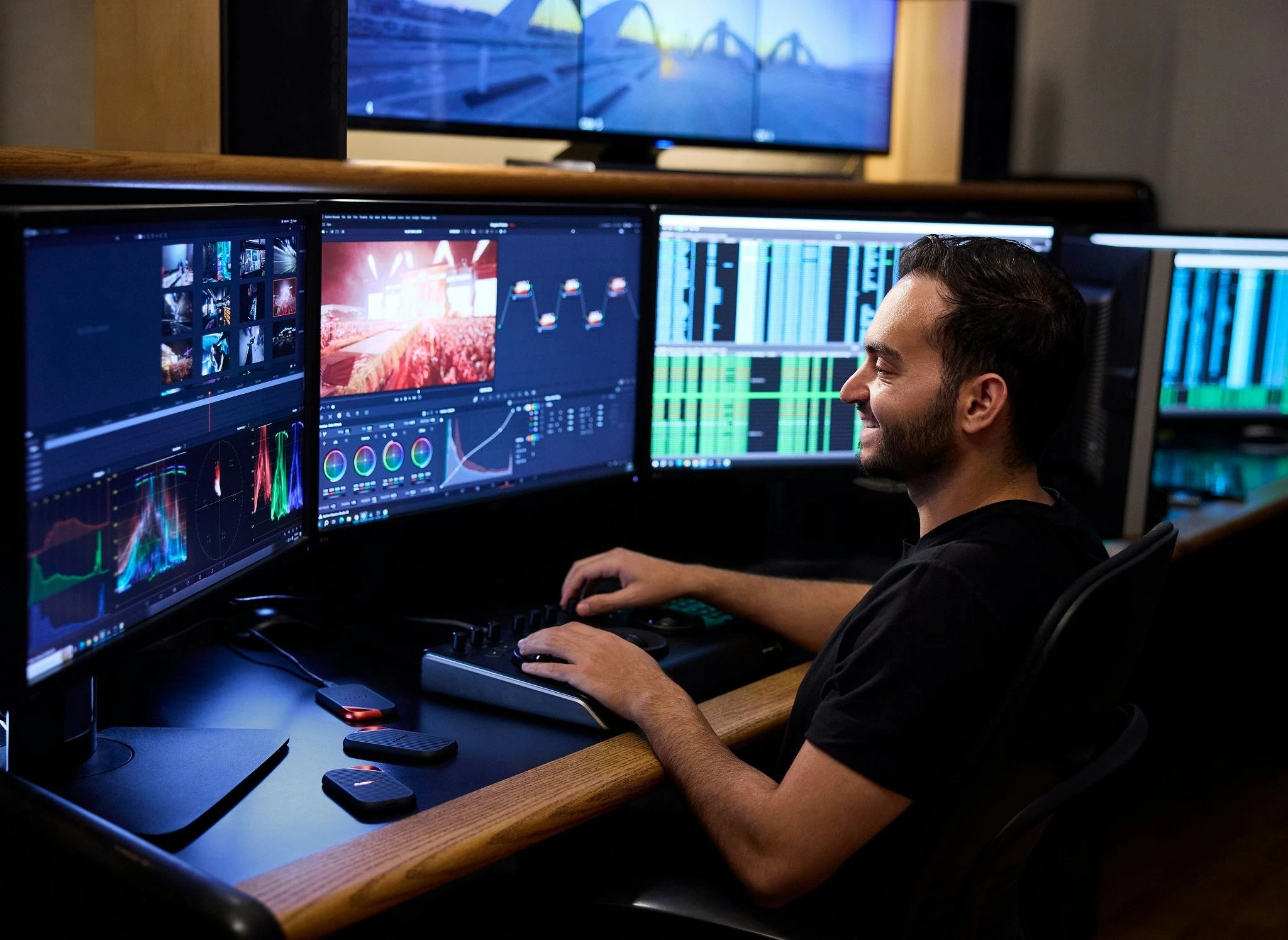
- Make a 60-second documentary about your neighborhood, that’s easy enough. Film your grandmother’s favorite recipe, or your friend’s performance, or dance recital.
- Experiment with close-ups, camera angles, lighting, and sound.
- When you have enough footage, move on to editing.
- Experiment without expensive software. Don’t worry, you’ll get there.
- Browser-based platforms, Clideo in particular, have a multitrack timeline where you, my respected beginner, can arrange footage, combine videos and photographs, add music, adjust playback speed, and insert text or subtitles.
- The free version has some limitations, including watermarked exports, but it’s enough to try the basics before deciding whether to spend money.
You’ll find out that your surroundings might be way more interesting than you think.
#2. Visible mending: Clothes can be way more interesting
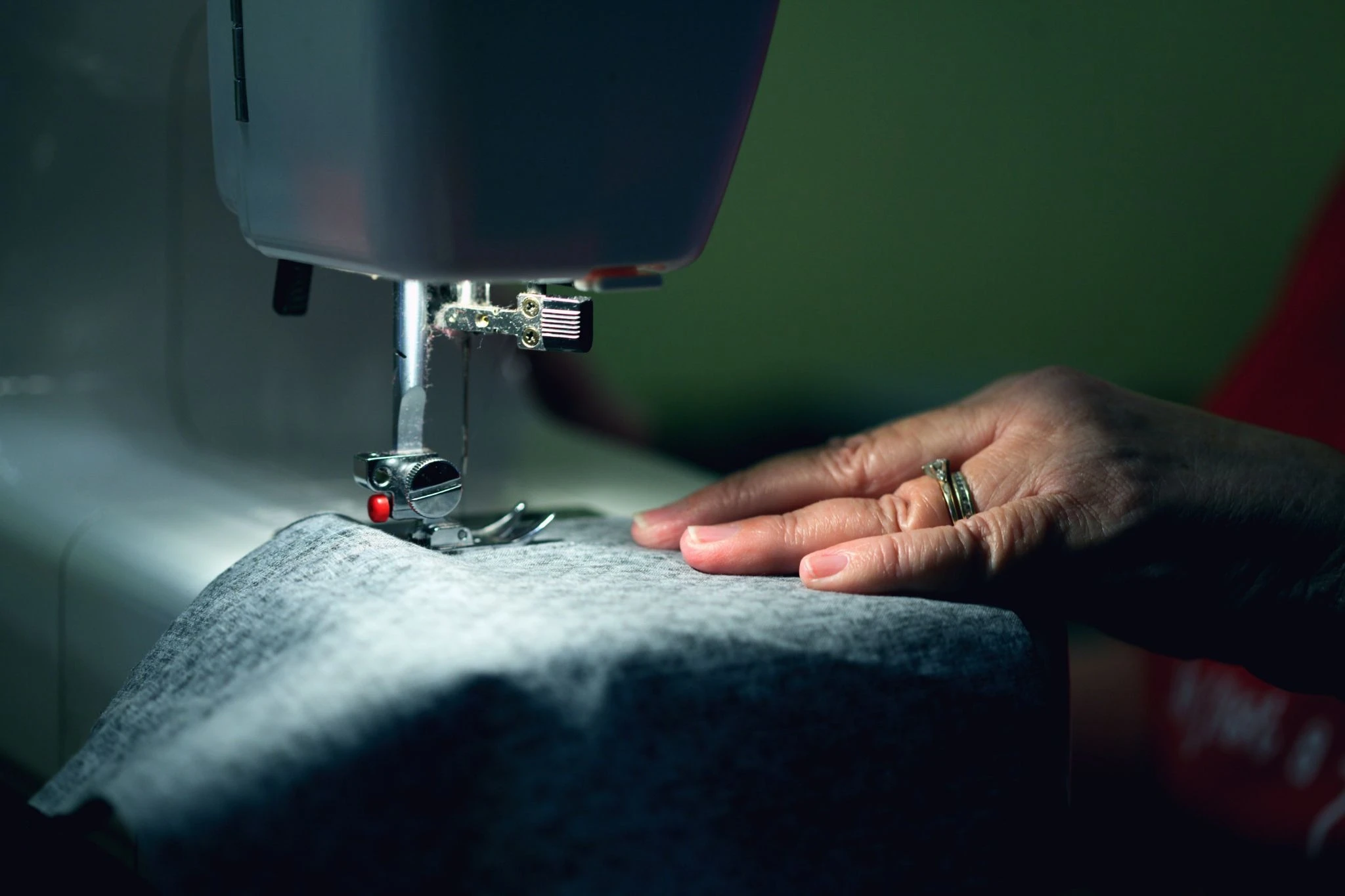
A hole in your sweater meant it was ruined. But times change. Visible mending says don’t conceal the damage, wear the mend proudly. Repairs into decorative features. Appealing? I think so.
Colorful embroidery on a worn elbow. Contrasting fabric and stitching on a tear in denim. Old shirts acquire patches… Japanese sashiko stitching, traditionally used for reinforcing and repairing textiles, offers plenty of inspiration here even if you’re not a fan of Japanese culture.
Supplies are also inexpensive.
- needles,
- thread,
- fabric scraps,
- scissors,
- clothes that have seen better days.
You probably already own half of what you need. Old pillowcases, worn-out shirts, and leftover fabric can supply plenty of material for experimentation. Rob your grandma if you have to (just kidding).
If you’re not sold on it, consider this. The European Commission estimates that approximately five million tonnes of clothing are discarded annually in the EU. So get your skills on, and let’s save the situation one crazy sweater at a time.
#3. Sewing: From Fabric to Something Entirely New
It’s one of those skills that has creativity, problem-solving, practicality, and geometry all in one. Now, sewing can require a larger initial investment than our other hobbies, particularly if you want a machine. However, buying one brand-new isn’t the only option. Read secondhand marketplaces and charity shops.
Sewing also teaches you why some pieces fit beautifully while others never seem comfortable. And there’s a thrill in creating something useful from what was previously just a piece of fabric. Whether it saves you money depends on your materials and equipment, but being able to repair and alter clothes can certainly reduce some expenses over time.
#4. Drawing: Learn to See, Not Just Look
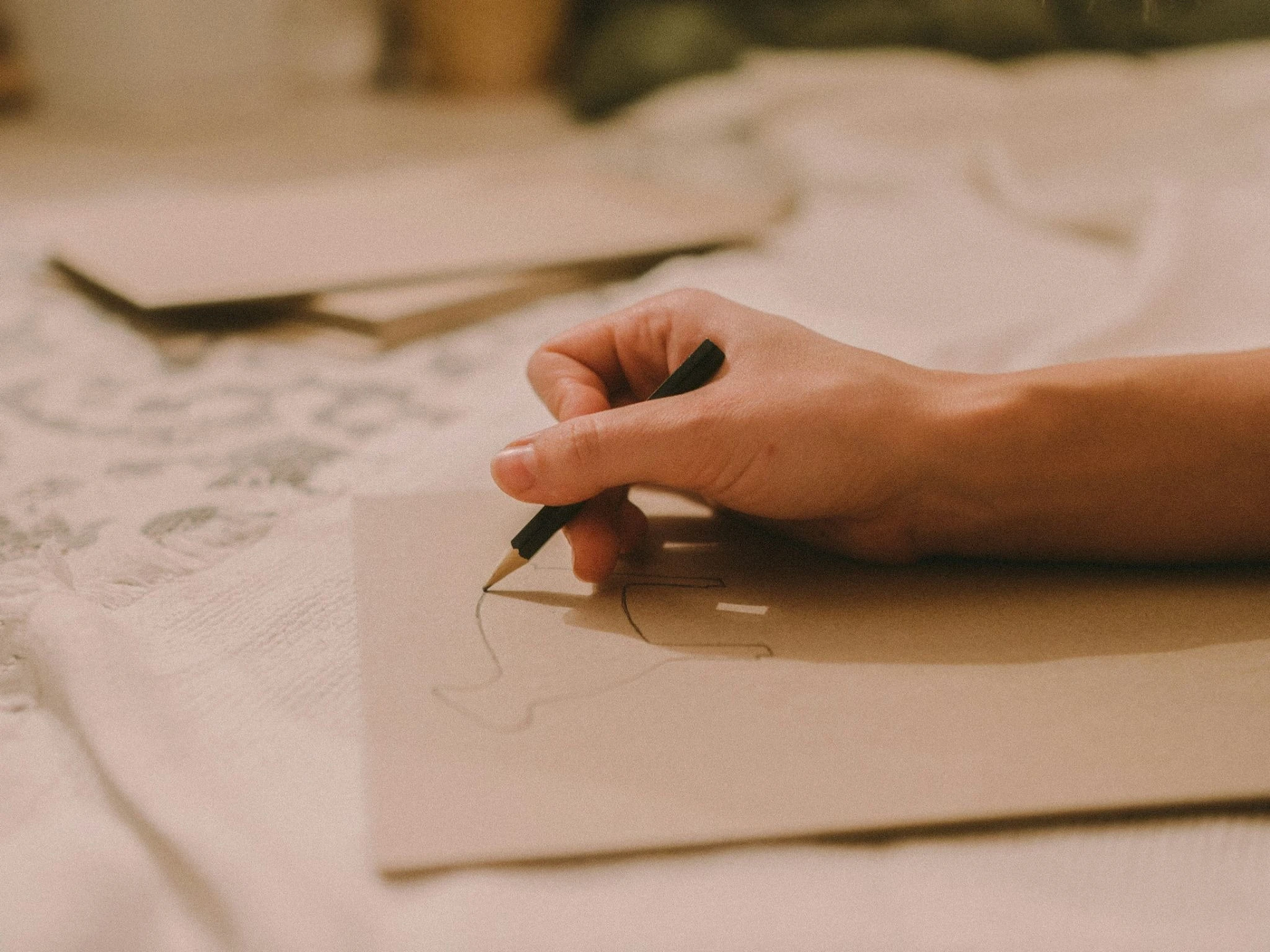
Drawing has a reputation. Not that it’s bad for you, but that you have to have some sort of innate talent to pick up a pencil. But it’s a skill like any other, so don’t despair. Also, drawing is probably one of the cheapest creative hobbies ever. A pencil, an eraser, and a notebook. Throw in some decent lighting and you’re golden.
You don’t have to be fancy straight off the bat, either.
- Start by drawing your coffee mug, houseplants, shoes, or the view from your window.
- Try sketching the same object from several angles.
- Notice proportions, shadows, textures, and details that you previously overlooked.
- Urban sketching, botanical illustration, cartooning, all at your fingertips.
- You can also try daily five-minute sketches instead of committing to ambitious projects.
No deadlines, no notifications, and no productivity metrics. The result doesn’t matter either. Only the process, only the consistency. Just accept any outcome, and you’ll get the therapeutic break you need.
#5. Playing an Instrument: Give Your Brain Something New to Do
Cliche, I know, but so good for you! And despite what music shops would have us believe, learning an instrument doesn’t demand a fortune. Used guitars, keyboards, and other beginner instruments frequently appear on secondhand marketplaces.
If not, take up a harmonica or ukulele. Even new ones are relatively cheap. Just check the condition and playability of used instruments before spending money.
The whole process involves coordinating movement, listening carefully, recognizing patterns, and remembering sequences. There’s interesting research behind the benefits. A 2024 systematic review and meta-analysis of 13 studies involving 502 older adults found that instrumental training improved certain executive functions and processing speed.
- Start with a manageable goal: learn three chords, play a simple melody, or practice for fifteen minutes each day.
- Free online tutorials can help you get started without paying for regular lessons, although occasional guidance from a teacher may prevent frustrating technical mistakes.
- And don’t worry about starting late. You don’t need childhood piano lessons to enjoy playing music as an adult.
- Perhaps the greatest reward comes when your fingers finally produce a melody that previously existed only in your imagination.
Ultimately, hobbies don’t need to generate income, attract an audience, or improve your résumé. They don’t need to cost much money, either. Sometimes the pleasure of making something, learning a practical skill, and giving your brain a break from its everyday responsibilities is reason enough to begin.
About the Author