



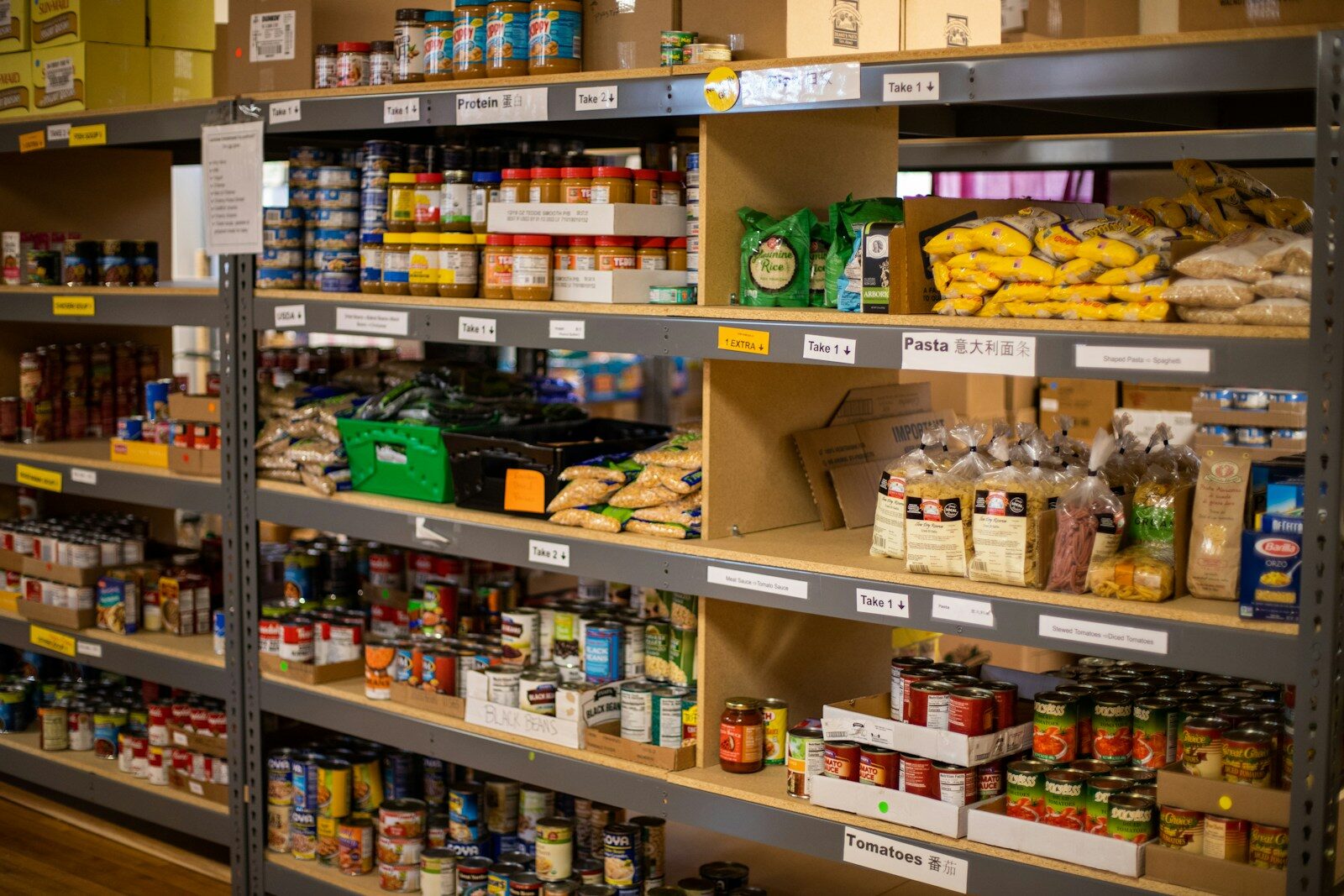
Food donation is a vital way to support people in need in our communities. With many facing food insecurity, every donation counts. It’s encouraging to see so many people joining together to help through food donation. Remember, even small contributions can greatly impact others’ lives. Donating food not only helps those who receive it, but it also enriches the giver’s life by building a sense of connection and compassion for the community.
If you’re new to food donation, you might wonder how to get started. The good news is that it’s simple, and anyone can help. Let’s go over how you can easily begin donating food and some tips to turn your intentions into actions.
Food Types
When thinking about what food to donate, consider what types are most helpful. Non-perishable items, like canned goods, dried fruits, and grains, last longer and can be stored until needed. Food banks and shelters often rely on these items since many families depend on them.
Fresh produce is also a great option if you have access to it. Many organizations welcome fruits and vegetables, especially from your garden or local farms. Simple donations like apples or carrots can really improve meal quality for those in need. Be sure to check with your local charity or food bank for specific needs, as they may change based on the season or community demand.
Local Charities
Finding a local charity for your food donation Toronto is important. Many communities have food banks, soup kitchens, or shelters that depend on donations. A quick online search can help you find these organizations nearby. Once you know where to donate, contact them to learn about their specific needs and how to donate. Some may have set drop-off times, while others might offer pick-up services.
Don’t hesitate to ask questions. Most organizations appreciate your interest and will gladly share how your contributions can help. Knowing the charity and understanding its mission can make your donation experience even more meaningful!
Organizing Drives
To make a bigger impact, consider setting up a food drive. This is a great way to bring together friends, family, and coworkers to collect more food. You can place a collection box at work or host an event at home where everyone brings a can or two. Sharing the cause can motivate others to donate and join in, turning it into a community effort.
When you organize a drive, decide what type of food you want to collect and make sure to communicate this clearly. Giving your group a list of recommended items can guide their donations to meet the local charity’s needs. It’s rewarding to watch the donations grow as everyone pitches in for a common goal.
Timing and Frequency
Knowing when to donate is just as important as knowing what to donate. Food banks usually get more donations during holidays, but the need exists all year round. Consider making food bank donation a regular practice, like monthly or quarterly. By doing this consistently, you can help fight food insecurity over time.
If you’re unsure about how often to donate, check with local organizations for their needs. They can share details about the best times to donate.
Engaging Others
Food donation doesn’t have to be done alone. Talk to your friends and family about food insecurity and invite them to help. Sharing your experiences and joy from giving can inspire others to take action. You could even plan an event to volunteer at a food bank or prepare meals together for those in need.
Social media can help you spread the word. Sharing your journey and encouraging your friends can increase participation in food donation.
Building a Mindset
Having a mindset focused on community support and generosity is vital. By viewing food donation as part of your lifestyle, you’ll find it easier to contribute. Whether you’re at the grocery store or home, look for items you can set aside for donation.
Think of creative ways to include food donation in your daily life, like picking up extra cans during your shopping trips. This can help form habits that strengthen your sense of belonging and purpose in your community.
Food donation is available to everyone, regardless of background or resources. Embracing this practice can bring many positive results, both for you and your community. Start small, think big, and remember that your contributions will make a difference.
About the Author









![6abe94394c84c[1]](https://theseeker.ca/wp-content/uploads/2026/10/6abe94394c84c1-768x434.webp)