
Municipal elections are October 26 in Ontario. To help voters make an informed decision here in Cornwall, the editorial board of The Seeker has put together 10 questions for candidates seeking a seat at the municipal council table, whether as Councillor or as Mayor. To ensure fairness, the same questions were sent to every candidate. We sent a total of 10 and they had the option to answer all of them, or pick a minimum of 5. Their answers will be published in their entirety, in the order they are received. We will not edit, correct or modify any responses.
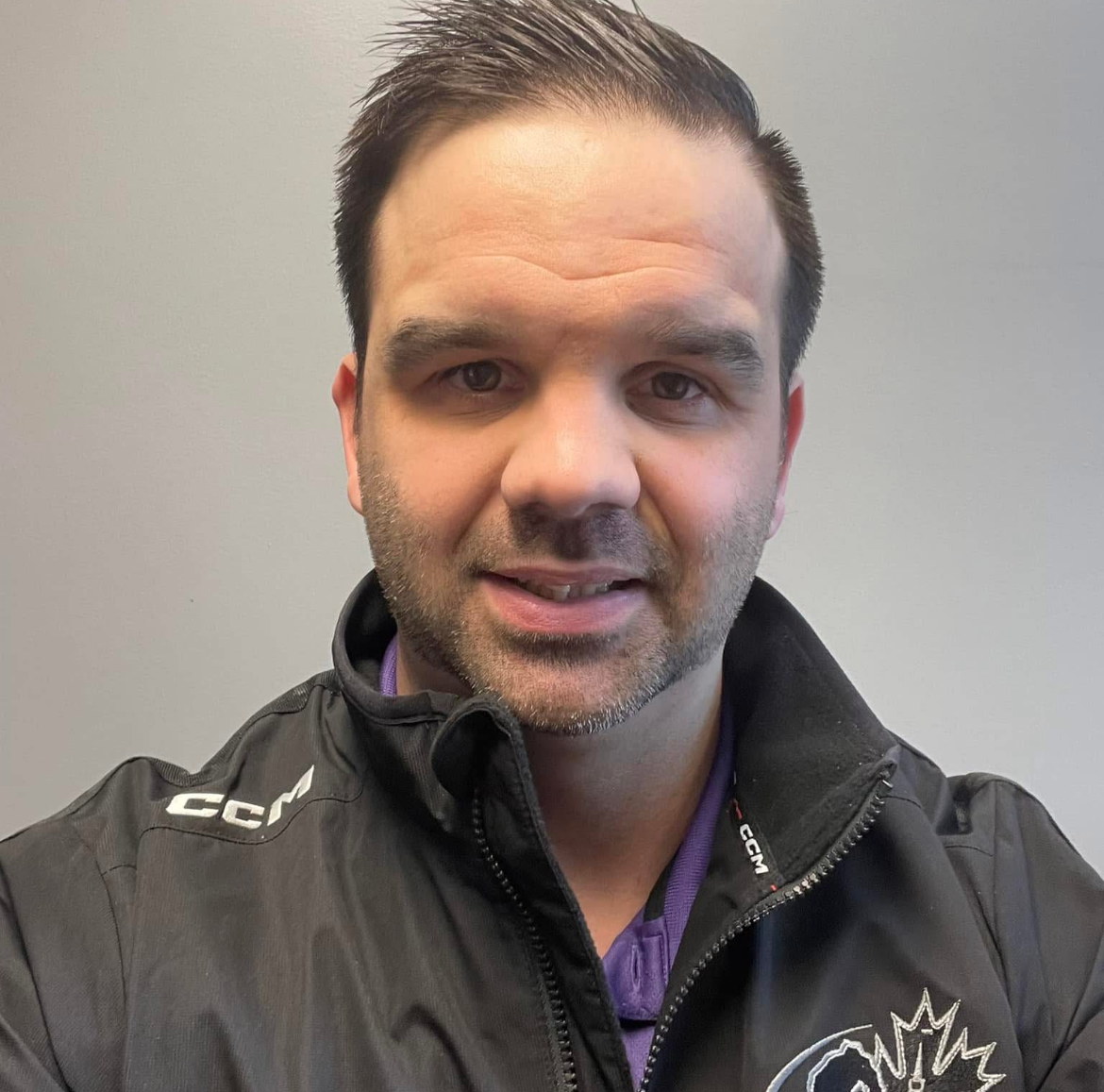
These are Christopher Leclair’s Answers. He is running for councillor.
1. Who are you? Where are you from? What education do you have? What relevant experience do you have?
My name is Chrisopher leclair, I was born and raised in Cornwall . I ran for City Council in 2022, and that experience gave me a better understanding of our community and the issues facing residents. I am currently a hockey player agent and advisor, and I also have a background in the logistics industry. I studied both Real Estate and Behavioural Science, which have given me experience in negotiation, communication, and understanding people and their needs. I also did food drives for centre 105 for the last four years.
2. Why are you running for Council? What is the most important issue facing the City of Cornwall today?
I am running for Council because I want to serve the people of Cornwall and bring more transparency, honesty, and trust to City Hall. I also want to find ways to save taxpayers money. We also need city council to respect the laws ( Canadian charter of rights and freedoms).
I believe taxes are too high for what our city currently offers, and we need to balance the budget while protecting essential services. If we can find efficiencies and reduce unnecessary spending, we can redirect money toward priorities such as our waterfront.
Our waterfront is a gold mine of opportunity. With the right investment and development, it could attract more people, support local businesses, create jobs, and bring more economic activity to downtown Cornwall.
3. In The Seeker’s poll asking constituents about the most important issue facing them, a large majority of respondents answered “taxes/affordability.” What would you do as a Councillor/Mayor to make Cornwall more affordable, and what city services or spending, if any, would you be willing to reduce, change, or eliminate to keep tax increases under control?
Taxes are too high in the City of Cornwall. The City is proposing approximately 9.5% annual tax increases over the next 10 years, which would represent an enormous increase for taxpayers.
My proposal would be to work toward keeping annual tax increases closer to 2–3% rather than 9.5%.
How would I do that? First, I would support bringing in an independent third-party forensic accountant to analyze spending across the City’s departments. We need to identify wasteful, unnecessary, or inefficient spending and determine where savings can be made.
I would not support cutting essential services simply for the sake of cutting costs. Instead, I would look for efficiencies, unnecessary expenditures, duplication, and areas where taxpayers are not receiving sufficient value for their money.
The goal should be simple: save money where we can and put those savings back into the pockets of Cornwall taxpayers.
4. Over the past few years, many constituents have expressed concern that the City’s homelessness situation has significantly worsened. What would you do as a Councillor/Mayor to address this issue?
I would support programs that connect people experiencing homelessness with mental-health support, addiction services, employment resources, and organizations such as Job Zone.
We also need to work with community organizations and other levels of government to establish a permanent homeless shelter in Cornwall. A permanent facility would be a better long-term solution than relying on temporary shelters.
No one in Cornwall or anywhere across Canada should be living on the streets. We need practical solutions that provide people with immediate support while also helping them move toward stable housing and employment.
5. Many constituents have expressed concerns about accountability and controversy surrounding Council. What could you do as a Councillor/Mayor to improve transparency and accountability?
For the past several years, I have been holding the current municipal government accountable and asking questions about how taxpayer money is being spent.
If elected, I would not be afraid to question or challenge fellow members of Council when I believe something is not in the best interests of Cornwall residents. At the same time, I would listen to the public and take their concerns seriously.
I would also want to speed up permits, so businesses can open faster, make money, and Potentially hire more employees. This would also help with Revenue stream for the city, While potentially having more housing built.
If a resident asked me a question and I did not know the answer, I would be honest about it. I would tell them I don’t know, and then I would do my best to find the answer.
Accountability means being willing to ask difficult questions, admit when you don’t have all the answers, and follow through.
6. We constantly hear about the Arts Centre and the water meters. Many residents have expressed the view that these were bad decisions on Council’s part. Both projects are being implemented, but they remain a sore spot for some voters. Would you consider revisiting or changing decisions made on those projects?
If elected, I would support keeping the Arts Centre open, but I believe we need to seriously explore private funding and partnerships to help cover salaries, benefits, and operating costs. Those ongoing costs should not fall primarily on Cornwall taxpayers. If the art centre is not privately funded, I would not support it, and Would propose selling the building.
The project originally started at approximately $7 million and has increased significantly. Taxpayers deserve transparency about the final cost and the long-term operating plan.
I would also support revisiting the decision regarding water meters. I believe Cornwall should explore returning to a flat-rate water fee.
My concern is that water meters could become another revenue stream for the City. If residents use less water, the City could eventually increase the cost per cubic metre to make up for lost revenue. We have seen this type of model used in other municipalities.
The City also conducted a survey in which a majority of respondents were opposed to water meters. When a clear majority of residents express opposition to a major policy, Council should listen and seriously reconsider the decision.
7. What would you do to improve our relationship with Akwesasne? What does Truth and Reconciliation look like to you? Explain how Cornwall can take steps toward it.
I believe the relationship between Cornwall and Akwesasne should be based on respect, communication, and cooperation.
One issue I would like to see reopened is the discussion surrounding the Seaway International Bridge tolls. I would support opening negotiations with Akwesasne, MP Eric Duncan, and the Seaway International Bridge Corporation regarding the cost of crossing the bridge and whether the toll collection point could be relocated.
Cornwall and Akwesasne are neighbours, and our communities are closely connected. We should continue having open conversations and look for practical solutions that benefit people on both sides of the river.
8. Cornwall’s municipal government relies on experienced and qualified staff to deliver services to residents. What would you do as a Councillor/Mayor to ensure the City can attract, retain, and support the best possible people in senior positions?
I would use my experience in Real Estate and my experience as a hockey player agent, particularly when it comes to negotiation, contracts, and evaluating people.
Senior positions within the City should be filled based on qualifications, experience, leadership, and the ability to deliver results.
We need to make sure Cornwall is competitive when recruiting qualified employees while also ensuring taxpayers are receiving value for the compensation being provided.
9. Healthcare is primarily a provincial responsibility, but access to healthcare is a major concern for Cornwall residents. What can the City of Cornwall realistically do to help improve healthcare access, and would you make it a priority as a Councillor/Mayor?
While healthcare is primarily a provincial responsibility, the City can still play a role in attracting healthcare professionals to Cornwall.
The City could explore incentives to attract new local doctors and healthcare professionals. We could also look at ways to support doctors who want to establish their own practices, including potential municipal incentives or property-tax considerations where legally and financially appropriate.
Improving access to healthcare should be a priority because it directly affects the quality of life of Cornwall residents.
10. Many residents are concerned about crime, vandalism, drug use, and a general decline in their sense of safety. What can the City realistically do to address these concerns, and where should municipal responsibility end and provincial or federal responsibility begin?
The City needs to focus on the areas where it has direct responsibility, while working with provincial and federal governments on issues that fall under their jurisdiction.
I would support increased foot patrols and police presence in areas such as the waterfront and other locations where residents have concerns about safety.
At the same time, the municipal government should work with our MPP and MPs to advocate for stronger action on issues such as repeat offenders, drug-related crime, and federal sentencing laws.
The City cannot change federal criminal law, but we can advocate for our community and make sure Cornwall’s concerns are being heard.
For our roads and active transportation, I would also support Cornwall exploring a provincial-legislation-based pilot program for electric kick-style scooters. Any program should include clear requirements around helmets, minimum rider age, weight limits, speed restrictions, and where these devices can legally operate.
About the Author