
Screenshot
Municipal elections are October 26 in Ontario. To help voters make an informed decision here in Cornwall, the editorial board of The Seeker has put together 10 questions for candidates seeking a seat at the municipal council table, whether as Councillor or as Mayor. To ensure fairness, the same questions were sent to every candidate. We sent a total of 10 and they had the option to answer all of them, or pick a minimum of 5. Their answers will be published in their entirety, in the order they are received. We will not edit, correct or modify any responses.
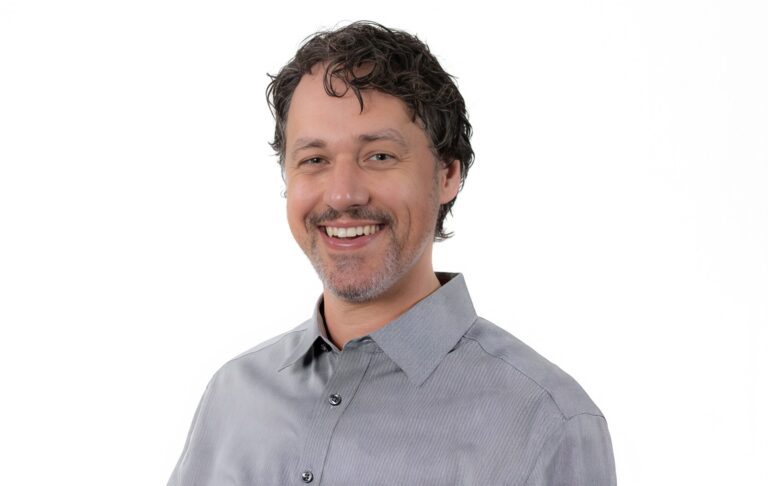
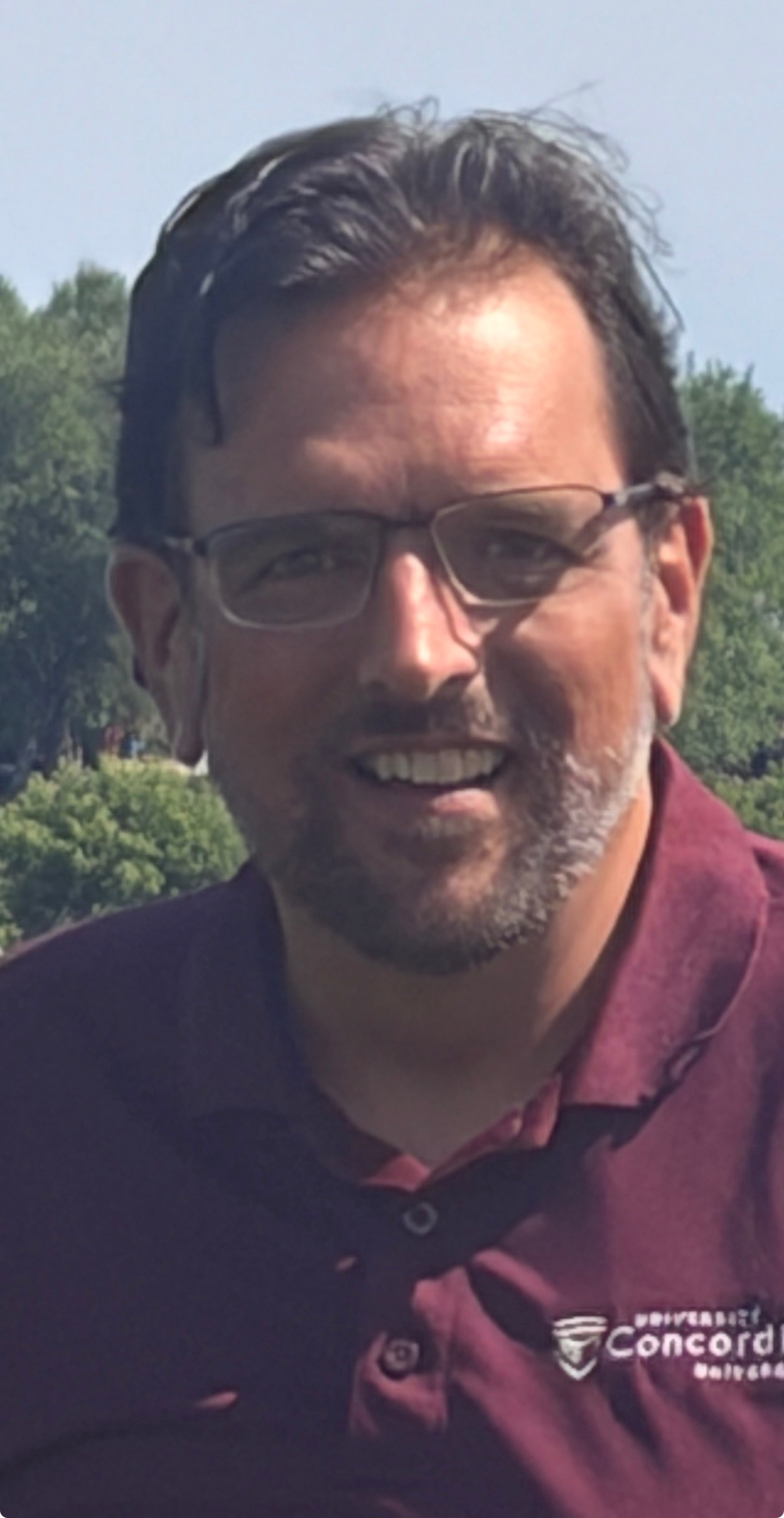
These are Joël Côté’s Answers. He is running for councillor.
Who are you? Where are you from? What education do you have? What relevant experience do you have? (1 brief paragraph)
I’m a father and husband. Born and raised in Cornwall. I was a City Councillor from 2003-2006. I graduated from St. Lawrence College with an advanced diploma (3 years) in Business Administration. I have completed university course work throughout my life. My career experience encompasses 15 years in the public sector, mostly at the management or senior management level. I was in banking for 10 years, in business banking, personal banking and branch management. Early in my career I worked in a few sales and marketing roles in retirement homes and for Le Journal de Cornwall.
In The Seeker’s poll asking constituents about the most important issue facing them, a large majority of respondents answered “taxes/affordability”. What would you do as a Councillor/Mayor to make Cornwall more affordable, and what city services or spending, if any, would you be willing to reduce, change or eliminate to keep tax increases under control?
Taxes and affordability are a constant issue, even more so today. My goal is always to deliver the services that are required in the most efficient manner. The city has a responsibility to deliver core services such as water, sewer, recreation facilities, community and safety services and transportation to name a few. Many of these costs have a large fixed component. The best way to lower individual burden while continuing to provide quality essential services is to split the cost amongst more people. Continued and strong population and business growth needs to be a main focus for the city. One particular area of focus is establishing a university campus or lager college campus in the city. This is not a new idea, but we now have our MPP serving as the Minister of Colleges and Universities. Bringing in more students and staff would contribute to the local economy in many ways: more housing (larger tax base) and more spending in local businesses. The provincial and federal government also employ thousands of people in locations other than Toronto and Ottawa. Are we getting a fair share? Council and the Mayor need to have an ongoing dialogue and work with our elected provincial and federal colleagues to ensure we get our fair share of investment in our community.
Over the past few years, many constituents have expressed concern that the city’s homelessness situation has significantly worsened. What would you do as a Councillor/Mayor to address this issue?
Unfortunately that reality is everywhere, but that doesn’t mean we ignore it or simply hope it goes away. I think there are good measures currently in place or in progress to deal with the shorter-term issues. For longer-term solutions, we need to work with health agencies on one of the main drivers that has been identified as a root cause, mental health and addiction. Another area of focus should be on affordable housing, not necessarily subsidized housing. Playing a role in creating more affordable housing, either through private investment or supporting programs like Habitat for Humanity are essential. And, while the city is not in the business of creating jobs, we need to continue to attract private sector investment in our city. Doing what we can to ensure employment and affordable housing should be our focus.
Why are you running for Council? What is the most important issue facing the City of Cornwall today?
I’m running because I believe I have something to contribute. I did not seek re-election in 2006. That was not because I didn’t enjoy my time at city hall, but because my focus was on my young family. I knew I couldn’t properly do the work of a city councillor, with the devotion of time necessary. I’ve always said I wanted to return to serving on council when the time was right, when I knew I had the time necessary to properly fulfill the responsibilities of the role.
The most important issue facing Cornwall is fiscal challenges, ensuring that we manage our finances and needs in the most efficient way. We have nearly $4 billion in infrastructure that serves our citizens. We need to ensure we are properly maintaining these assets. That clean water comes when you turn on your faucet, that roads are drivable. In an emergency, a paramedic or fire-fighter or police officer responds with help. Fiscal management is the all-encompassing and most important issue that determines how we live.
Many constituents have expressed concerns about accountability and controversy surrounding Council. What could you do as a Councillor/Mayor to improve transparency and accountability?’
I believe accountability and transparency are vital to good government. As a councillor I was always available to residents with questions or issues.
I have been attending council and committee meetings since I’ve submitted my nomination in May. Schedules and location of these meetings are public and open to all. Background documents are included in the posted agendas. I certainly have heard ‘the city is hiding things’; ‘Council is not open or accountable’; ‘city administration is hiding facts’. These are not new statements unfortunately. Do I agree with every decision council has made, no. Does that mean that council is hiding the truth, no. Diversity of opinion is important, and we all have the opportunity to present ourselves on a ballot or at the very least vote and stay informed. I’ve been able to access, on the city’s website, all the information that I continue to hear is ‘hidden’. There are certain issues that must be discussed behind closed doors for valid reason. There is a very specific criteria, which is defined by the Ontario Municipal Act, that all municipalities must adhere to. The decisions are made in public meetings.
We constantly hear about the Art Centre and the water meters. Many residents have expressed the view that these were bad decisions on Council’s part. Both projects are being implemented, but they remain a sore spot for some voters. Would you consider revisiting or changing decisions made on those projects?
On the arts centre. I’m not opposed to such a facility, I believe we need to provide art, culture and recreation to maintain quality of life for the people of Cornwall and attract new people. I believe that too many unforeseen issues and costs came up with the chosen location and construction. The reality is that we’ve spent more than we should have. That being said, it is done (or at least very close to completion). I sincerely hope that attendance and uptake in arts centre programing exceed even the wildest expectations. As with any city building or program, it should be monitored to ensure it is operating in the most cost effective way.
For water meters. I believe this is a good thing. Water and sewer fees charged to the public must reflect actual costs incurred by the city. The overall cost or fees will not change with meters. What will change is that households will pay for the amount of water they actually use. I think this is the fairest way to levy fees. Without meters, two houses side by side, same essential design and fixtures (2 bathrooms, kitchen, laundry, one outdoor tap, no swimming pool) pay the exact same fees. However, one has a single widow living in it. The other has a family of five with teenagers who shower twice a day, lawn being watered daily, laundry running for 5 people. Are they likely to be using the same amount of water, or even close? Is it fair that they pay the same?
What would you do to improve our relationship with Akwesasne? What does Truth and Reconciliation look like to you Explain how Cornwall can take steps toward it.
For actual Truth and Reconciliation to take place, we must understand and accept our history. I have learned a great deal over the past few years about the history of indigenous people and settlers. To say that it was eye opening and shocking would be an understatement. I had no idea what the residential school program was and that it was actually still active while I was in high school, in the 1990s! That is but one example of many unfortunately. This issue is certainly not only about the way ‘we’ arrived, but what we’ve done since, up to an including our recent past.
I was proud to be appointed as a member of the Cornwall-Akwesasne liaison committee during my term council. I witnessed and partook in many genuine discussions about our shared future. We want very similar things for our communities. We can achieve success in mutual endeavours. The joint development of the port lands should be our main focus. This is a large undertaking, but one that would be fruitful for all and establish even greater cooperation between our communities.
Cornwall’s municipal government relies on experienced and qualified staff to deliver services to residents. What would you do as a Councillor/Mayor to ensure the city can attract, retain and support the best possible people in senior positions?
I agree that experienced and qualified leadership is crucial, from the CAO to department managers. Front line staff are also crucial in the delivery of service. As for the leadership, Council only has one direct employee, the Chief Administrative Officer. Their role is to execute on council direction. To do this in the most efficient way they need a great team behind them. It is crucial that Council and the Mayor work with the CAO to help build the best possible team to support that work. Attracting ‘top talent’ isn’t always about money. We need to continue to promote the quality of life and geography that we’re blessed with.
I would suggest that for the most part the city has done a good job attracting people with the right education and skill sets. I have been impressed with what I’ve seen at council meetings over the last few months. I believe we have qualified and professional people. Certainly, there have been and will always be some choices that don’t quite fit or work out. Council’s role is to ensure excellent leadership at the CAO level and support them to ensure the entire leadership team strives.
Healthcare is primarily a provincial responsibility, but access to healthcare is a major concern for Cornwall residents. What can the City of Cornwall realistically do to help improve healthcare access, and would you make it a priority as a Councillor/Mayor?
Of course healthcare is under the purview of the provincial government. However every city is competing for scarce healthcare professionals. I believe the recruitment strategy currently being undertaken is working well. We need to continue these efforts and always ensure we are keeping ahead of the competition. Do we need to offer more to individuals who are accepted to medical school, to attract them to practice in Cornwall once they complete their studies? Perhaps. Do we need to increase the number of scholarships available? Are we turning future doctors away?
Attracting doctors is one thing, keeping them is as important. Money or incentives that the city can provide is likely not the most important issue to many established doctors. Once student loans are gone and they are enjoying the reward of years of hard work and studying, what keeps a doctor here? I believe the city plays a vital role here. The quality of life that we can offer. The services and recreation and culture amenities are important to long term success.
Many residents are concerned about crime, vandalism, drug use and a general decline in their sense of safety. What can the city realistically do to address these concerns, and where should municipal responsibility end and provincial or federal responsibility begin?
I share those concerns. It has always frustrated me to see someone littering, and we’re seeing much more serious activities. While council does not actually govern our local police, we do appoint the majority of the police board. I believe that the police board, chief, senior officers and every officer want to decrease any negative or criminal behaviour. It would be simple to say we should hire more officers. The reality of course is that we need to find the most efficient way to use our resources. Are there duties currently assigned to uniformed officers that could be done by others? Can Special Constables and Auxiliary members be given more responsibility or authority? How do we safely engage the general public to help? While the police function is removed from municipal government by law in Ontario, we need to plan and work as one. I believe at the end of the day, we are all aiming for the same results.
About the Author