


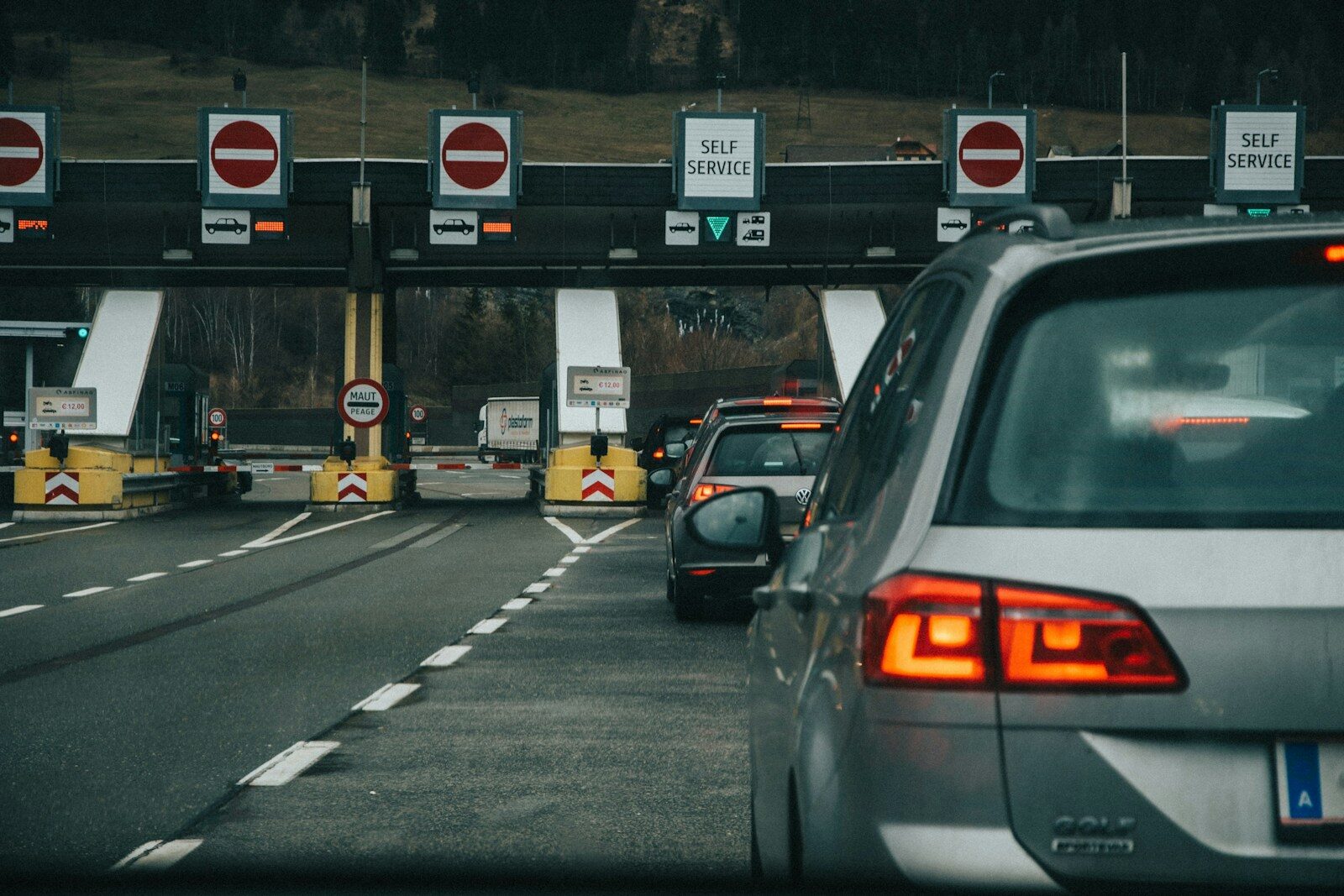
An international shipment can look remarkably simple from the customer’s perspective. An order leaves one location and eventually arrives at another, sometimes thousands of miles away. Behind that straightforward journey, however, freight may pass through several carriers, warehouses, customs checkpoints, brokers, and transportation systems before reaching its destination.
Every transition creates another opportunity for something to go wrong. A missing document can hold up clearance, a scheduling problem can leave freight waiting at a terminal, and a communication gap between two parties can create delays that ripple through the rest of the journey.
Cross border logistics depends on managing those transitions as carefully as the physical transportation itself. Successful shipping requires documentation, compliance, communication, and coordination to stay aligned while freight moves between countries and different systems.
What Changes When Freight Crosses a Border
Domestic transportation can involve plenty of complexity, but crossing an international border adds another layer. Freight must meet the requirements of the country it’s entering, which can involve customs procedures, regulatory reviews, duties, taxes, and inspections.
Requirements can also vary considerably depending on what’s being shipped. Product type, country of origin, destination, value, and intended use may influence the information authorities require before allowing goods to proceed.
Those additional steps make preparation essential. A truck, plane, or container may physically reach the border on schedule, but the shipment still needs to satisfy the applicable requirements before its journey can continue.
The Importance of Accurate Documentation
Paperwork may not physically move a shipment, but incorrect paperwork can certainly stop one. Commercial invoices, packing information, manifests, classifications, permits, and other documents provide authorities and transportation partners with essential details about the freight.
Accuracy matters because even relatively small inconsistencies can trigger questions or additional review. Product descriptions, declared values, quantities, and classifications should align across the relevant documentation rather than leaving different parties to resolve conflicting information.
Preparing records carefully before departure helps reduce avoidable complications later. The goal is to give everyone involved the information needed to process the shipment without unnecessary uncertainty at critical handoff points.
Coordinating Carriers Across Different Systems
International freight rarely moves through one organization from beginning to end. Shippers, customs brokers, transportation providers, warehouses, freight forwarders, and government authorities may all participate at different stages of the journey.
Each party may use different systems, schedules, and communication processes. Information therefore needs to move alongside the freight so the next participant knows what’s arriving, when to expect it, and what actions need to happen next.
Strong coordination helps prevent those transitions from becoming bottlenecks. When responsibilities are clear and information reaches the right people early, freight can move from one stage to another with fewer unnecessary interruptions.
Where Delays Usually Begin
Some international shipping delays are difficult to predict, but others begin with preventable problems. Missing paperwork, inaccurate classifications, incomplete information, or overlooked compliance requirements can bring an otherwise well-planned shipment to a halt.
Scheduling creates another source of risk. Missed appointments, carrier delays, limited warehouse availability, and inspection requirements can affect later connections, particularly when the transportation plan depends on carefully timed handoffs.
Unexpected reviews may still occur even when documentation is prepared correctly. Building realistic timelines and maintaining communication throughout the journey helps organizations respond more effectively when circumstances change instead of allowing one disruption to create several more.
Conclusion
Moving freight internationally requires far more than transporting goods across a geographic boundary. Every shipment passes through a network of documentation requirements, regulatory processes, transportation providers, and operational handoffs that must work together.
The most vulnerable moments often happen between stages. When information is incomplete or responsibilities aren’t clearly coordinated, freight can spend more time waiting than moving, even when the transportation itself is operating efficiently.
Successful international delivery therefore depends on managing the entire journey rather than focusing only on distance. Careful preparation, accurate information, and consistent coordination help keep each handoff moving smoothly until the shipment finally reaches its destination.
About the Author


![6abe94394c84c[1]](https://theseeker.ca/wp-content/uploads/2026/10/6abe94394c84c1-150x150.webp)