


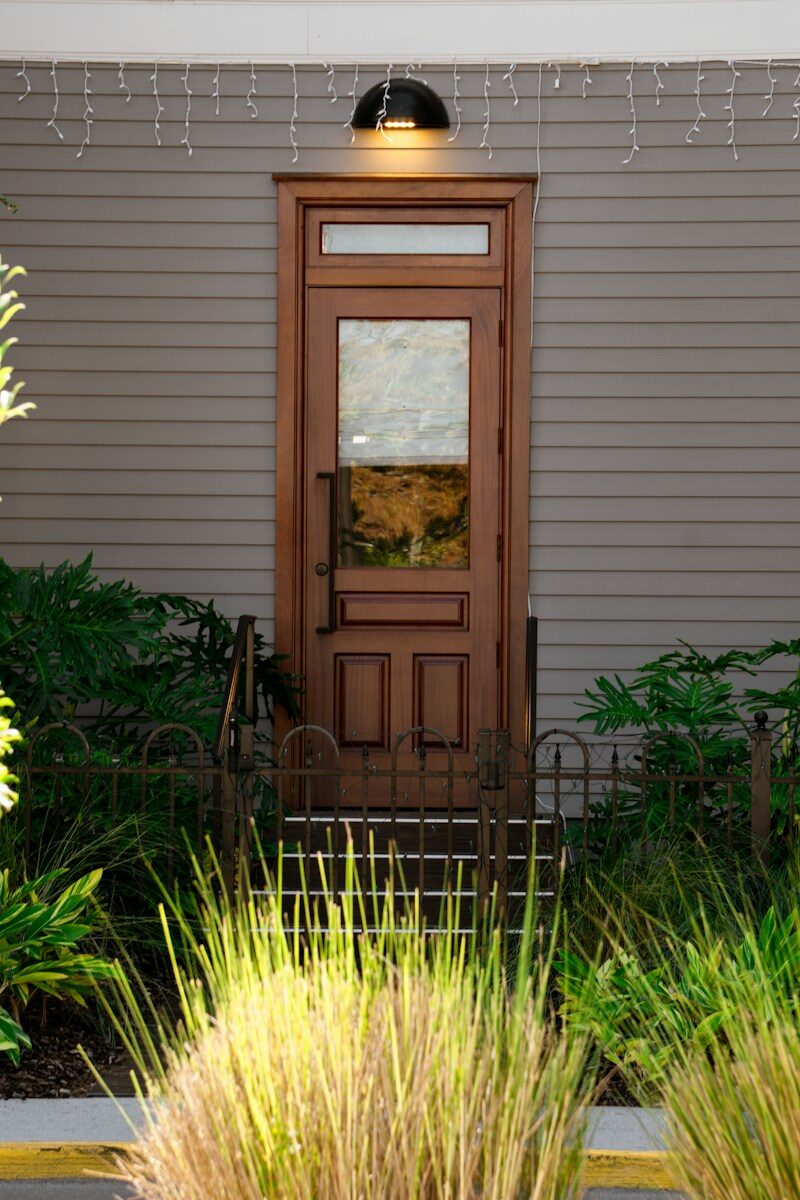
Your front door does more than let people in. Here’s how to tell when it’s time for a new one, and how to choose the right material and features for a Canadian home.
The front door is the most-used entrance in most homes, and it has a surprisingly big job. It keeps out the cold and the wind, protects the house from intruders, handles rain, snow and summer sun, and sets the tone for how the whole home looks from the street. Yet many homeowners don’t think about it until it starts to stick, leak or rattle every time the wind picks up.
Here’s how to tell when your door needs attention, and what to consider when choosing a new one for a Canadian climate.
Signs Your Front Door Needs Replacing
Some issues can be fixed with new weatherstripping or a hinge adjustment. Others point to a door that has reached the end of its life. Watch for:
- Drafts you can feel around the edges, or daylight visible around the frame
- Difficulty opening, closing or locking, often caused by a warped door or shifted frame
- Condensation or frost on the inside of the door or its glass inserts in winter
- Visible damage such as cracks, dents, rust on steel doors, or rot on wooden ones
- Rising heating bills combined with a cold entryway
- A worn, dated look that no amount of paint seems to fix
If several of these apply, replacing the door is usually more cost-effective than chasing repairs year after year.
Choosing the Right Material
The material you choose affects durability, insulation, maintenance and price. The three most common options each have their strengths.
| Material | Strengths | Things to consider |
|---|---|---|
| Steel | Strong, secure, good insulation, affordable | Can dent; scratches need touching up to prevent rust |
| Fibreglass | Very durable, resists dents and moisture, excellent insulation, can mimic wood grain | Higher upfront cost than steel |
| Wood | Classic, natural look, can be refinished | Needs regular maintenance; can warp in harsh weather |
For most Canadian homes, fibreglass and insulated steel are the most practical choices. Both come with insulated cores that perform far better in winter than older solid-wood doors, and both stand up well to freeze-thaw cycles.
Energy Efficiency Matters
An inefficient door can let a lot of heat escape during a long Canadian winter. When shopping, look for:
- ENERGY STAR certification for your climate zone
- An insulated core, typically polyurethane foam
- Quality weatherstripping and an adjustable threshold that seals tightly
- Insulated, low-E glass if the door has windows or sidelights
Doors with large glass panels bring in beautiful natural light, but the glass should be double or triple glazed to avoid turning the entryway into a cold spot.
Security Features to Look For
A new door is a good opportunity to improve security. Consider:
- A solid core rather than a hollow one
- A reinforced frame and strike plate
- A quality deadbolt, or a multi-point locking system that secures the door at several points along the frame
- Laminated or tempered glass in any decorative inserts
Smart locks are another popular upgrade, letting you lock and unlock the door from your phone or give temporary access to guests and service providers.
Style and Curb Appeal
Your front door is one of the first things people notice about your home. Colour, panel design, glass inserts, sidelights and transoms can all change the look of the entrance dramatically. Bold colours like deep red, navy or black are popular for making a statement, while wood-grain fibreglass offers the warmth of wood without the maintenance.
A good rule of thumb is to match the style of the door to the architecture of the house: simple, clean lines for modern homes, and panelled or craftsman-style designs for traditional ones.
Installation Is Key
Even the best door won’t perform well if it’s poorly installed. Proper installation means the frame is square and level, the gaps around it are insulated and sealed, and the threshold is set to keep water out. When getting quotes for door replacement, ask whether the price includes a new frame, insulation around the opening, hardware, and disposal of the old door, and what warranty covers both the product and the installation.
The Bottom Line
A new front door can make your home warmer, quieter, more secure and more attractive, all at once. Paying attention to the warning signs, choosing a material suited to Canadian weather, and investing in proper installation will help you get a door that looks great and performs well for decades.
About the Author