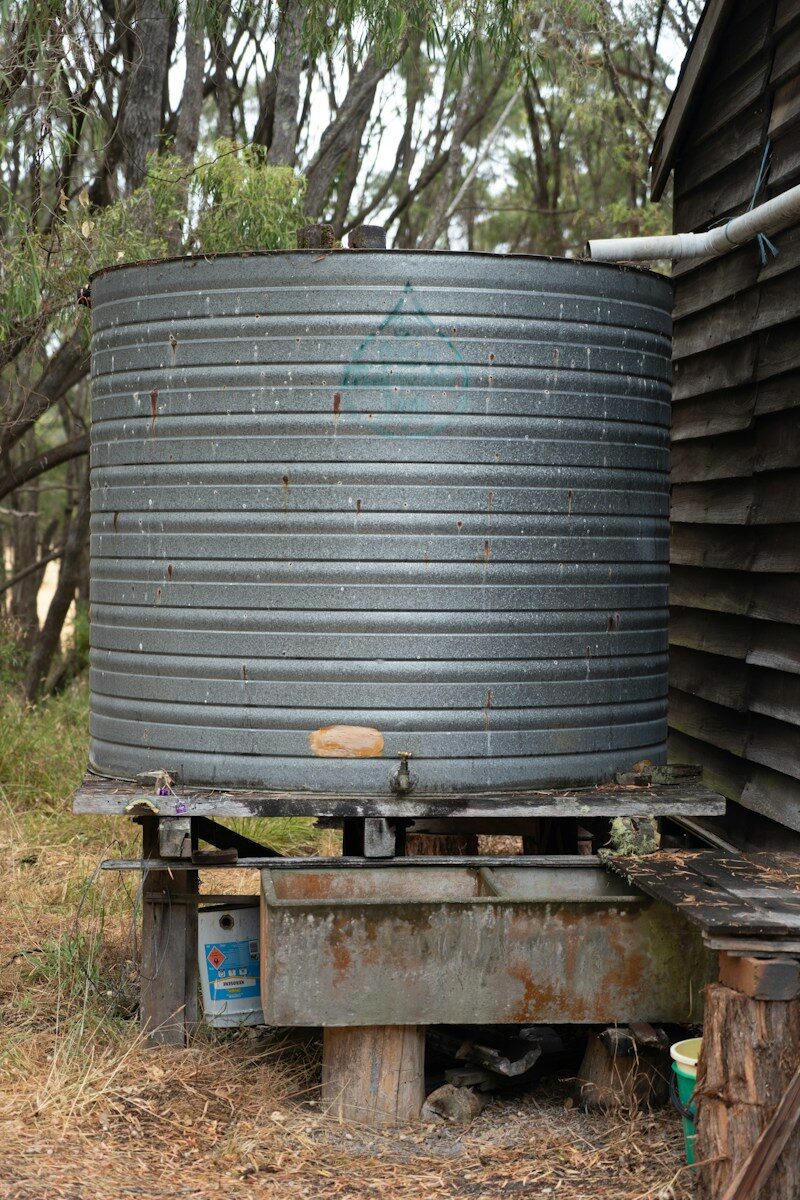
Moving to a rural property in British Columbia often means saying goodbye to a monthly water bill and hello to a well. For many families that trade feels great. The water is yours, there are no watering restrictions from a city, and a good well can serve a home for decades.
It also means you are now the water utility. Nobody else is checking pressure, testing quality or fixing the pump at two in the morning. The good news is that most of the work is simple once you know what to watch.
Get to know your system before something goes wrong
Many owners have never looked closely at their own water setup. Spend an hour learning it. A typical rural system has a few main parts:
● The well itself, usually a drilled well with a steel casing and a cap at ground level
● The pump, either a submersible pump down in the well or a jet pump in a pump house or basement
● The pressure tank, which stores some water under pressure so the pump does not start every time a tap opens
● The pressure switch, which tells the pump when to turn on and off
● Any treatment equipment, such as a sediment filter, softener, UV light or reverse osmosis unit
Find the well log if you can. BC keeps records of many drilled wells, and the log may show the depth, the date it was drilled and the original yield. Write down the pump model, tank size and switch settings, and keep that sheet near the tank.
Match treatment to the real problem
It is tempting to buy a filter because a neighbour has one. A better approach is to let your test results decide. Different problems call for different equipment:
● Sediment or cloudiness: a sediment filter, sometimes with a spin-down pre-filter
● Hard water and scale: a water softener
● Iron, manganese or a rotten-egg smell: iron and sulphur filters, sometimes with oxidation
● Bacteria: UV disinfection, usually with a pre-filter so the light can work properly
● Arsenic or other dissolved contaminants: reverse osmosis at the kitchen tap, or another system matched to the contaminant
Treatment also needs care. UV lamps need replacing on schedule, softeners need salt and cartridges clog. Set phone reminders.
Local experience helps here. EDS Pumps & Water Treatment, based in Langley and serving the Lower Mainland and BC Interior, handles well pumps, pressure tanks, water testing and treatment systems, and can look at a test result alongside the equipment you already have. Whoever you work with, ask them to explain why each piece of equipment is needed.
Listen to your pump
A pump will often tell you it is in trouble before it quits. Pay attention to a few signs:
● The pump turns on and off rapidly when someone runs a tap. This short cycling often points to a pressure tank that has lost its air charge or a failing bladder.
● Water pressure swings up and down in the shower.
● The pump runs for a long time without shutting off.
● You hear new clicking, humming or grinding sounds near the tank or switch.
Short cycling is one of the most common problems and one of the most harmful, because every start puts stress on the motor. Catching it early can add years to a pump’s life.
Plan for BC’s seasons
Rural BC throws a little of everything at a water system, and each season has its own risks.
Late summer. Long dry spells can lower the water table, especially for shallower wells. If you notice sputtering taps or air in the lines, ease off on garden watering and spread out laundry and showers. Repeated problems are worth having checked, since running a pump dry can damage it.
Fall rains and floods. Heavy rain can push surface water toward a wellhead that sits low or has a damaged cap. After any flooding near the well, assume the water may be contaminated until it is tested.
Winter. Pump houses, exposed pipes and pressure switches can freeze during cold snaps, especially in the Interior and the North. Insulate exposed lines, keep a small safe heat source in the pump house if needed, and know where your main shutoff is.
Power outages. No power means no pump. Keep some drinking water stored, and if you use a generator, have an electrician set up a proper connection rather than improvising.
Test your water on a schedule
Clear, good-tasting water is not always safe water. Bacteria and some dissolved metals cannot be seen or tasted. Groundwater organizations such as the National Ground Water Association recommend that private well owners test regularly and after any change, and BC health authorities give similar advice.
A simple routine looks like this:
| When | What to test for |
| At least once a year | Bacteria (total coliform and E. coli) |
| Every few years, or when you buy the home | A general chemistry panel, including hardness, iron, manganese and arsenic |
| After floods, repairs or new nearby construction | Bacteria, plus anything that changed in taste, colour or smell |
Use an accredited lab and follow the sampling instructions exactly.
Small habits that protect your well
A few easy habits make a real difference over time:
● Keep the well cap sealed and the area around the casing clear of debris, firewood and vehicles.
● Store fuel, fertilizer and pesticides well away from the wellhead.
● Have your septic system pumped and inspected on schedule, since a failing septic field can affect groundwater.
● Check the pressure tank’s air charge once a year, or have it checked during service.
● Keep a simple log of tests, repairs and filter changes.
A rural water system rewards a little attention. Learn how yours works, test it on a schedule, and fix small problems while they are still small.
About the Author