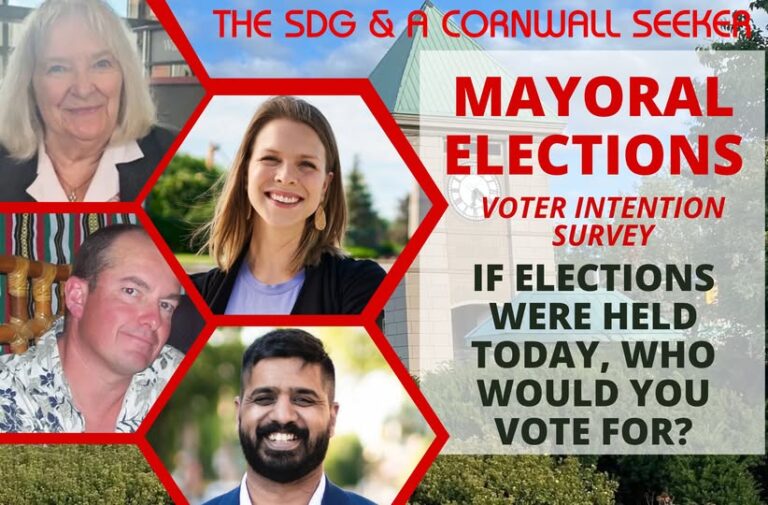

Municipal elections are October 26 in Ontario. To help voters make an informed decision here in Cornwall, the editorial board of The Seeker has put together 10 questions for candidates seeking a seat at the municipal council table, whether as Councillor or as Mayor. To ensure fairness, the same questions were sent to every candidate. We sent a total of 10 and they had the option to answer all of them, or pick a minimum of 5. Their answers will be published in their entirety, in the order they are received. We will not edit, correct or modify any responses.
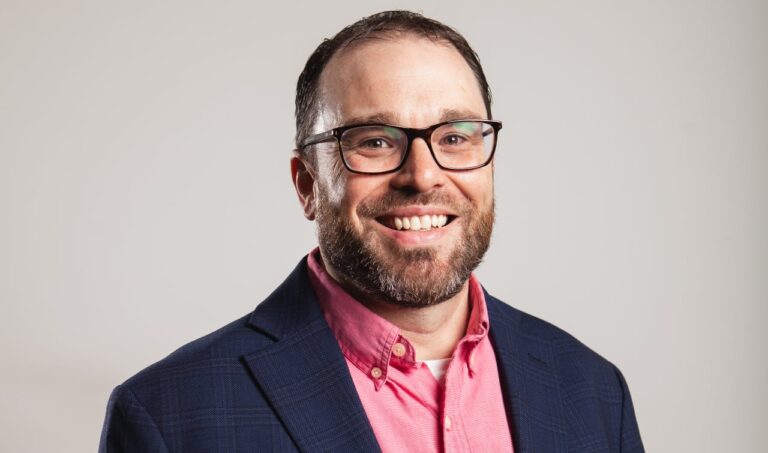
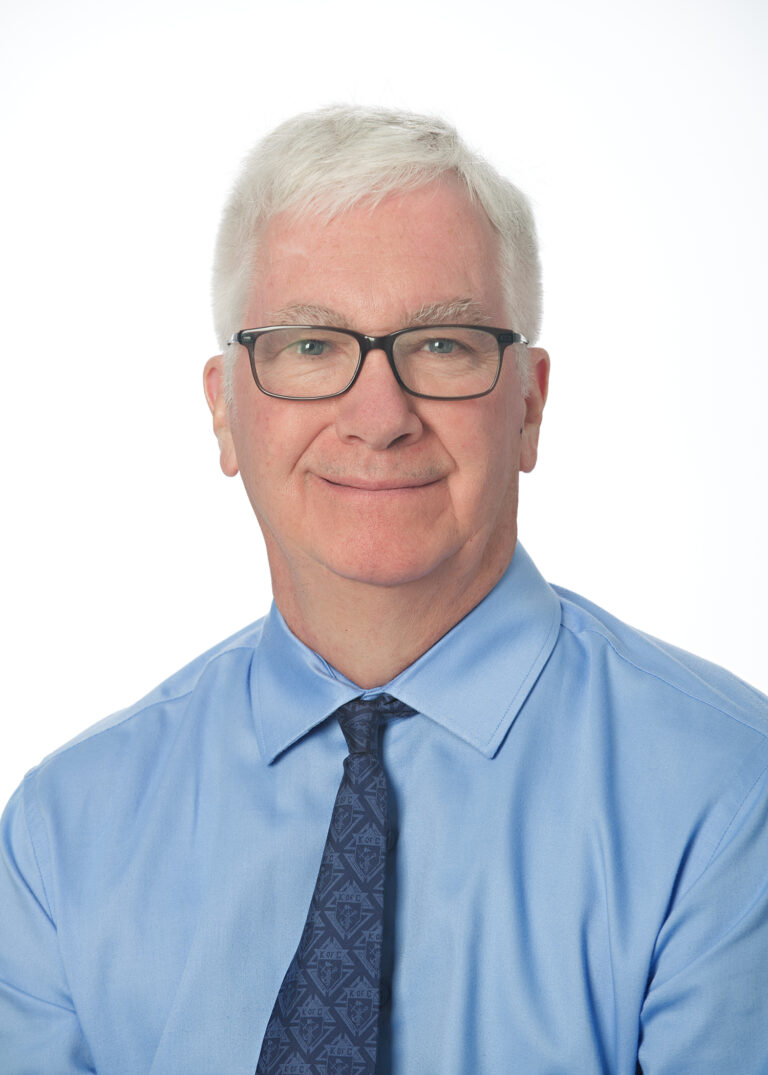
These are Dan Beaudoin’s Answers. He is running for councillor.
Who are you? Where are you from? What education do you have? What relevant experience do you have? (1 brief paragraph)
I have lived in Cornwall for the last eight years, but was born and raised in Toronto. I have been in a lot of roles in my life – starting with grinding through minimum wage retail and security jobs, and currently in management in the Canadian tech sector. I’ve worked extensively with not-for-profits as a volunteer, director, and organizer.
In The Seeker’s poll asking constituents about the most important issue facing them, a large majority of respondents answered “taxes/affordability”. What would you do as a Councillor/Mayor to make Cornwall more affordable, and what city services or spending, if any, would you be willing to reduce, change or eliminate to keep tax increases under control?
Any new council should take a serious look at the city’s spending – even if this wasn’t the most important issue on residents’ minds, with inflation and other costs skyrocketing in the last few years. Our spending should take a long view and ensure we’re not spending significantly more long-term just to “look good on paper” in the short-term.
Over the past few years, many constituents have expressed concern that the city’s homelessness situation has significantly worsened. What would you do as a Councillor/Mayor to address this issue?
It is clear that we are not taking care of our residents in the way that we should. Shelters and various employment services are one way to tackle this, which I support; we also need to go one step deeper and address the problems that lead to losing one’s home in the first place: incentivizing the creation of quality below-market rental units and denser housing that will give lower-income families and individuals a better quality of life.
Why are you running for Council? What is the most important issue facing the City of Cornwall today?
I am running for Council because Cornwall is a good city that has a real chance to be great. We need to come together to decide what shape that great city should take. Once we have that, everything else comes together.
Many constituents have expressed concerns about accountability and controversy surrounding Council. What could you do as a Councillor/Mayor to improve transparency and accountability?
Transparency is one of my key priorities. It should be hard to miss what our Council is doing, not hard to find out. There are three things I want to do to hit that mark: reorganizing the city’s primary website and social media outreach plan to make finding Council matters much easier; being an active part of communications through my website and social media; and instituting binding bylaws to ensure we continue to serve our residents in an open and easy-to-parse way in future.
We constantly hear about the Art Centre and the water meters. Many residents have expressed the view that these were bad decisions on Council’s part. Both projects are being implemented, but they remain a sore spot for some voters. Would you consider revisiting or changing decisions made on those projects?
I believe all decisions can be re-considered. In these specific cases, I would worry that reversing these decisions may end up costing more than following through on them – both in literal dollars and in cost to the future of our city. Decisions made to change course should always take these costs into account.
What would you do to improve our relationship with Akwesasne? What does Truth and Reconciliation look like to you? Explain how Cornwall can take steps toward it.
The ways I have seen the city (and our Council) meet with Akwesasne so far have been great, but very rare. I am grateful to live in the traditional and unceded lands of the Akwesasne people, and part of that gratitude means that I strongly believe we need to take a much more serious approach to working closely with the community both in advisory and decision-making roles. I will be attending a number of events in the coming months leading up to the election and after it to educate myself further.
Cornwall’s municipal government relies on experienced and qualified staff to deliver services to residents. What would you do as a Councillor/Mayor to ensure the city can attract, retain and support the best possible people in senior positions?
Attracting top talent requires two things that Council can help with: appropriate pay scale, and a city that top talent wants to live in. Appropriate pay scale ties in with needing to spend money wisely – this is a wise use of that and exactly the long-term thinking that we need to embrace. Building a city that will attract the talent we need is a much larger conversation that is at the heart of my goals and priorities as a whole.
Healthcare is primarily a provincial responsibility, but access to healthcare is a major concern for Cornwall residents. What can the City of Cornwall realistically do to help improve healthcare access, and would you make it a priority as a Councillor/Mayor?
I think the incentives and scholarship system put in place last year are a great start, and have already started to show success, with a number of new doctors moving to Cornwall since they were put into place. Continuing and expanding on this is an obvious path forward.
Many residents are concerned about crime, vandalism, drug use and a general decline in their sense of safety. What can the city realistically do to address these concerns, and where should municipal responsibility end and provincial or federal responsibility begin?
These are completely understandable concerns. As a city – and especially as a Council – we need to look at what is causing these problems in the first place, and place our focus on prevention. “A stitch in time saves nine” is what I’ve always been taught, and there are a lot of stitches we could be making today to save hundreds over the next fifty years.
About the Author