


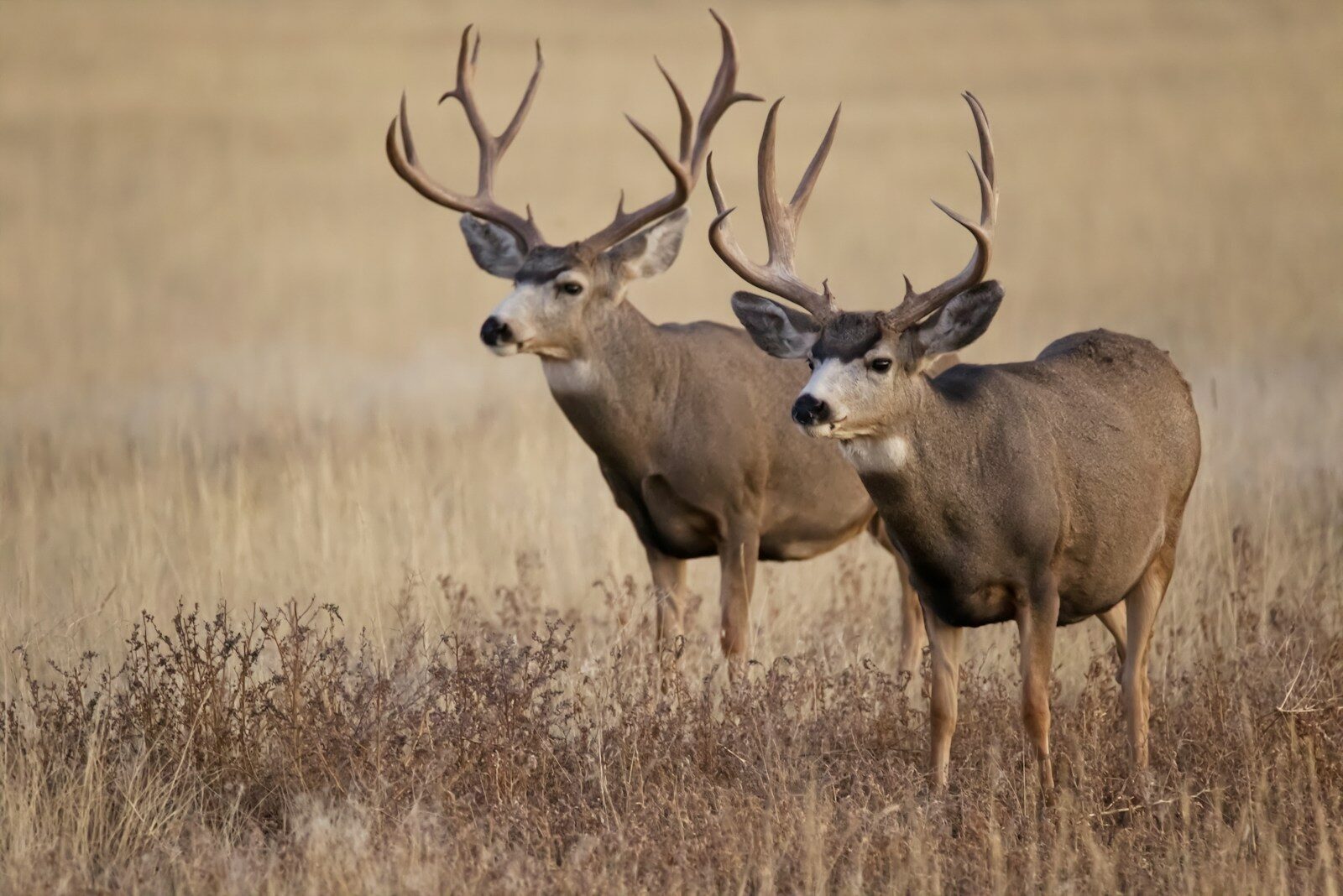
A fly-in fishing or hunting adventure offers a unique way to experience Canada’s remote wilderness. Far from busy cities and crowded recreational areas, these trips can provide access to pristine lakes, abundant wildlife, and unforgettable outdoor experiences. However, because many fly-in destinations are remote, proper planning is essential.
Before booking your next wilderness getaway, consider these nine important things to help make your Canadian fly-in fishing or hunting adventure safe, comfortable, and memorable.
1. Start With the Right Fly-In Lodge
The lodge you choose can have a major impact on your entire trip. Look for a destination with experienced guides, comfortable accommodations, reliable transportation, and access to the type of fishing or hunting experience you want.
For travellers looking for a dedicated wilderness experience, Munroe Lake Lodge | Fly-In Fishing & Hunting is a strong option to consider. Choosing an established fly-in lodge can make the planning process easier while giving you access to local knowledge and organized outdoor activities.
Before booking, ask what is included in the package, including meals, accommodations, equipment, guiding services, and transportation. A clear understanding of what to expect can help you prepare properly.
2. Know What Kind of Adventure You Want
Not every fly-in trip offers the same experience. Some travellers may be focused on fishing for specific species, while others may be interested primarily in hunting or combining both activities during their stay.
Think about what you want to accomplish before choosing a destination. Consider the fish or game species available, the type of terrain, whether guided trips are offered, and how much time you want to spend on the water or in the field.
Having clear priorities makes it easier to find a lodge that matches your expectations.
3. Pick a Season That Fits Your Plans
Timing matters when planning a remote Canadian fishing or hunting trip. Seasonal conditions can influence weather, wildlife activity, fishing patterns, accessibility, and available hunting opportunities.
Research the season associated with your preferred activity and destination before making a reservation. Keep in mind that conditions can vary considerably across Canada’s provinces and territories.
Booking early is also worthwhile, particularly if you have a specific travel window in mind.
4. Plan the Journey, Not Just the Destination
Getting to a remote fly-in lodge is part of the adventure, but it also requires careful planning. Your trip may involve commercial flights, regional transportation, and a final float-plane or aircraft transfer into the wilderness.
Confirm where you need to arrive, when your connecting flights depart, how much luggage is permitted, and where your fly-in transfer takes place. Build some flexibility into your schedule in case weather affects transportation.
Knowing the logistics ahead of time can prevent unnecessary stress once your trip begins.
5. Pack for Real Canadian Wilderness Conditions
Remote destinations require practical packing. Weather can change quickly, so bring clothing that allows you to stay comfortable in different conditions. Waterproof outerwear, durable footwear, warm layers, sun protection, and insect protection can all be valuable.
You should also bring personal medications, toiletries, appropriate outdoor equipment, and any other essentials you may need.
Before packing everything you own, check with the lodge. Some destinations provide fishing equipment, bedding, life jackets, or other necessities, allowing you to travel more efficiently.
6. Take Licensing and Regulations Seriously
Fishing and hunting regulations are important considerations when planning an outdoor adventure in Canada. Licensing requirements, seasons, catch limits, hunting tags, and other rules can vary depending on the province or territory.
Do your research well before departure and make sure you understand the requirements that apply to your specific activity.
Following local regulations isn’t simply a legal responsibility. It also helps support responsible wildlife management and sustainable outdoor recreation.
7. Be Ready to Disconnect From Everyday Life
One of the biggest attractions of a fly-in adventure is getting away from the usual distractions. However, remote locations may have limited cellular service, internet access, and other modern conveniences.
Prepare accordingly. Let family or friends know your itinerary and expected travel dates. Download important information before leaving areas with reliable connectivity and bring appropriate communication or emergency equipment when necessary.
Being prepared for limited connectivity can help you fully embrace the wilderness experience.
8. Put Safety and Experience First
Remote wilderness travel requires a different level of awareness than a typical vacation. Weather, water conditions, wildlife, unfamiliar terrain, and limited access to emergency services all deserve consideration.
Experienced guides can be particularly valuable because they understand local conditions and can help guests navigate the area safely. Follow lodge instructions, use appropriate safety equipment, and avoid taking unnecessary risks.
A successful adventure should be exciting without compromising personal safety or respect for the surrounding environment.
9. Understand Your Total Trip Budget
Finally, consider the complete cost of your adventure rather than looking only at the advertised package price. Depending on the trip, additional expenses may include travel to the departure location, licences, equipment rentals, gratuities, travel insurance, and personal purchases.
Ask the lodge for a clear breakdown of what is included and what you will need to pay separately. This makes budgeting easier and reduces the possibility of unexpected expenses.
Make Your Next Wilderness Trip One to Remember
A fly-in fishing or hunting adventure in Canada can provide an incredible opportunity to step away from everyday life and experience the country’s remote wilderness. With the right lodge, careful preparation, appropriate equipment, and an understanding of local regulations, you can spend less time worrying about logistics and more time enjoying the outdoors.
The key is to plan ahead, choose a destination that fits your goals, and prepare for the realities of travelling into remote Canadian country.
About the Author







![6abe94394c84c[1]](https://theseeker.ca/wp-content/uploads/2026/10/6abe94394c84c1-768x434.webp)