


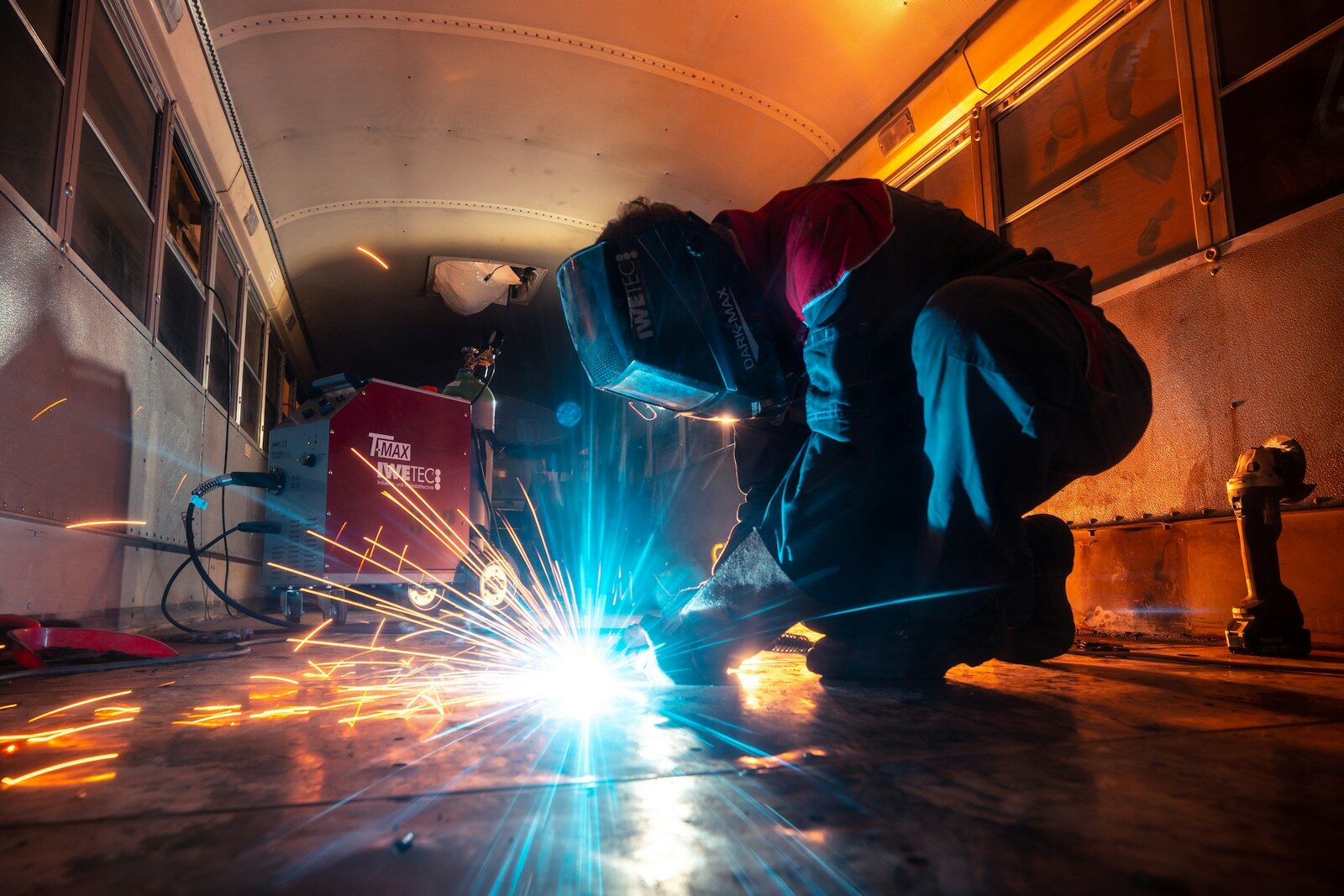
The manufacturing industry is crucial for our economy. It provides essential goods that we use every day. However, it can also have unique hazards that require careful attention to keep everyone safe. With machines running, tools clanging, and materials moving, the workplace can be busy. Every worker plays an important role in following safety protocols to create a safe and productive environment.
Every job comes with risks. Recognize these risks and find ways to reduce them. Putting safety first protects workers and helps the company run smoothly. Here are ways to ensure safety in manufacturing.
Personal Protective Equipment
Providing workers with the right personal protective equipment (PPE) is essential. Different jobs require specific PPE based on the hazards involved. For example, safety glasses protect against flying debris, while gloves are necessary for handling rough or harmful materials. Hard hats protect against head injuries from falling objects, and ear protection is crucial in loud environments to prevent hearing loss.
Training workers on how to use and care for their PPE is also important. When everyone knows how to use their equipment properly, it creates a culture of safety. Workers feel valued and protected, which boosts morale and productivity. A strong focus on personal safety helps make safety a part of daily routines.
Welding Supplies
Welding is important in many manufacturing processes. It helps build and assemble a wide range of products. Having the right welding supplies on hand is essential for smooth operations. Quality welding masks, gloves, and protective clothing protect against sparks and heat, while also keeping workers comfortable during detailed tasks.
Investing in high-quality welders can improve safety and efficiency. Better equipment reduces errors, which leads to higher-quality welds. It is also important to train workers on how to use these supplies properly. When workers understand their tools, their confidence and precision improve. This leads to better results for everyone.
Machine Safety Protocols
Understanding and following machine safety protocols is critical in a busy manufacturing setting. Welding machines can be powerful, but they can also be dangerous if not handled properly. Operators should receive training on how to use the specific machines they operate. Knowing how to control the machine, use emergency shut-offs, and maintain a safe distance can prevent accidents.
Regular machine maintenance is also important. Scheduled checks can spot problems before they escalate. Machines should have safety guards and emergency stops for added protection. Improving safety around machines not only prevents accidents but also increases efficiency. When workers feel safe, they can focus on their tasks without distractions.
Fire Safety Measures
Fire safety is vital in manufacturing facilities because of the flammable materials used. Fire extinguishers, sprinkler systems, and clear, clearly marked evacuation routes should be available. All employees must be trained in fire safety, including what to do in a fire and how to use firefighting equipment.
Regular fire drills are very helpful. Practicing evacuations helps everyone learn the quickest and safest way to exit the building. Keeping areas clear and accessible is crucial for safety and ensures emergency routes stay open. A proactive approach to fire safety protects both lives and property, giving everyone peace of mind at work.
Ergonomic Practices
In manufacturing, repetitive motions and heavy lifting can harm employees. Using ergonomic practices can lower the risk of injuries. Small changes, like adjusting workstations, using lifting aids, and encouraging regular breaks, can reduce strain and fatigue.
Education is key. Workers should learn correct lifting techniques and the importance of good posture during repetitive tasks. When employees know how to care for their physical health, they can take steps to protect themselves. This leads to better health and productivity.
Communication and Training
Good communication is essential for a safe manufacturing environment. Regular meetings to review safety protocols, gather worker feedback, and share experiences can create a more united team. Open communication helps identify potential hazards before they cause problems.
Training should be ongoing. Regular updates on safety practices keep everyone informed about new regulations and standards. This approach helps ensure compliance and shows that safety is everyone’s responsibility. In fast-paced manufacturing, safety concerns affect everyone. Involve employees through proper training, communication, and the right supplies to build a safety-focused culture. A commitment to a safe workplace helps everyone succeed and thrive.
About the Author








![6abe94394c84c[1]](https://theseeker.ca/wp-content/uploads/2026/10/6abe94394c84c1-768x434.webp)