

Winter in Ontario puts every square foot of a home’s exterior to the test. Months of heavy snow, freezing rain, road salt, and relentless freeze-thaw cycles leave behind more than just mud and dead leaves. By the time April and May arrive, grime, organic growth, and corrosive de-icing residue have settled deep into siding, concrete, and wood surfaces. Taking time for thorough seasonal maintenance after the spring thaw protects your property from long-term structural wear and gets your outdoor spaces ready for summer family gatherings.
Clearing Away Winter’s Residue from Siding
Vinyl, brick, and fibre-cement siding act as your home’s primary shield against the elements, yet they accumulate a surprising amount of buildup over an Ontario winter. Melting snow splashes dirt and road salt onto lower wall panels, while damp, shaded north-facing walls create ideal conditions for green algae, mildew, and mould spores to take hold as temperatures climb.
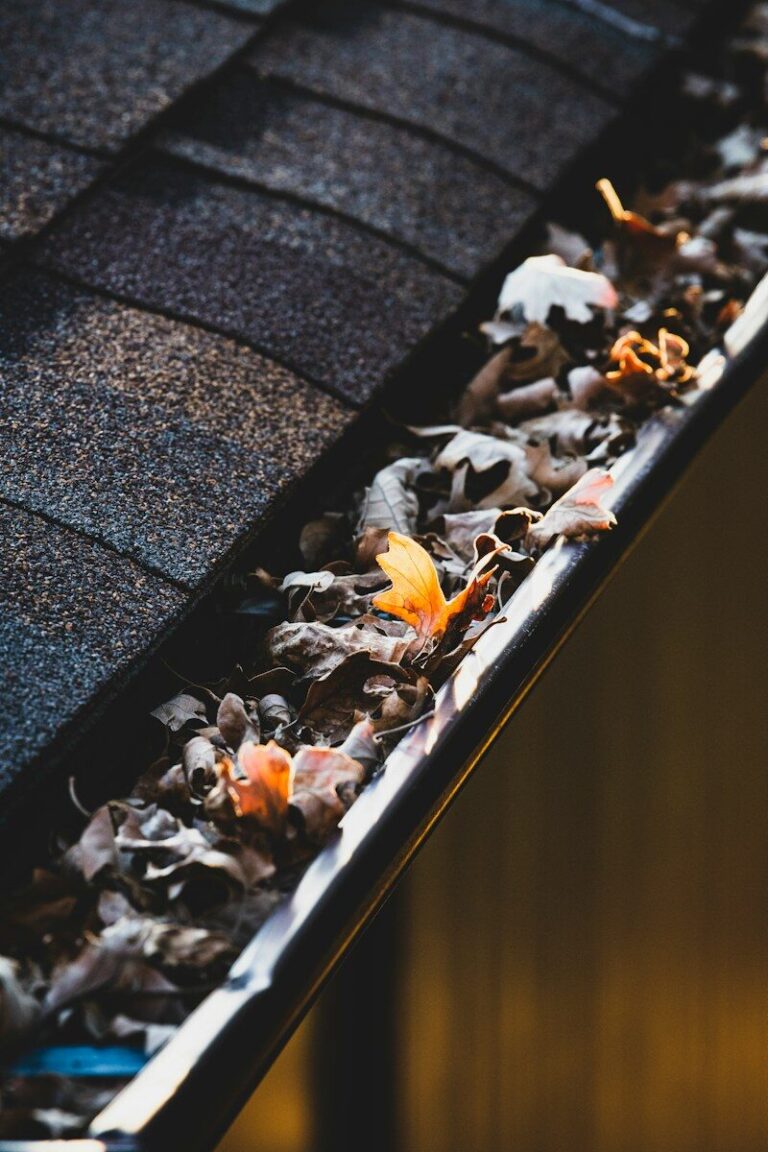
Left untreated, organic growth does more than dull your home’s kerb appeal—it traps moisture against exterior materials, which can lead to staining, warping, or premature deterioration of caulking and trim. Start your spring inspection by walking the perimeter of the house to check for loose panels, cracked seals around windows, and clogged eavestroughs that may have overflowed during winter thaws.
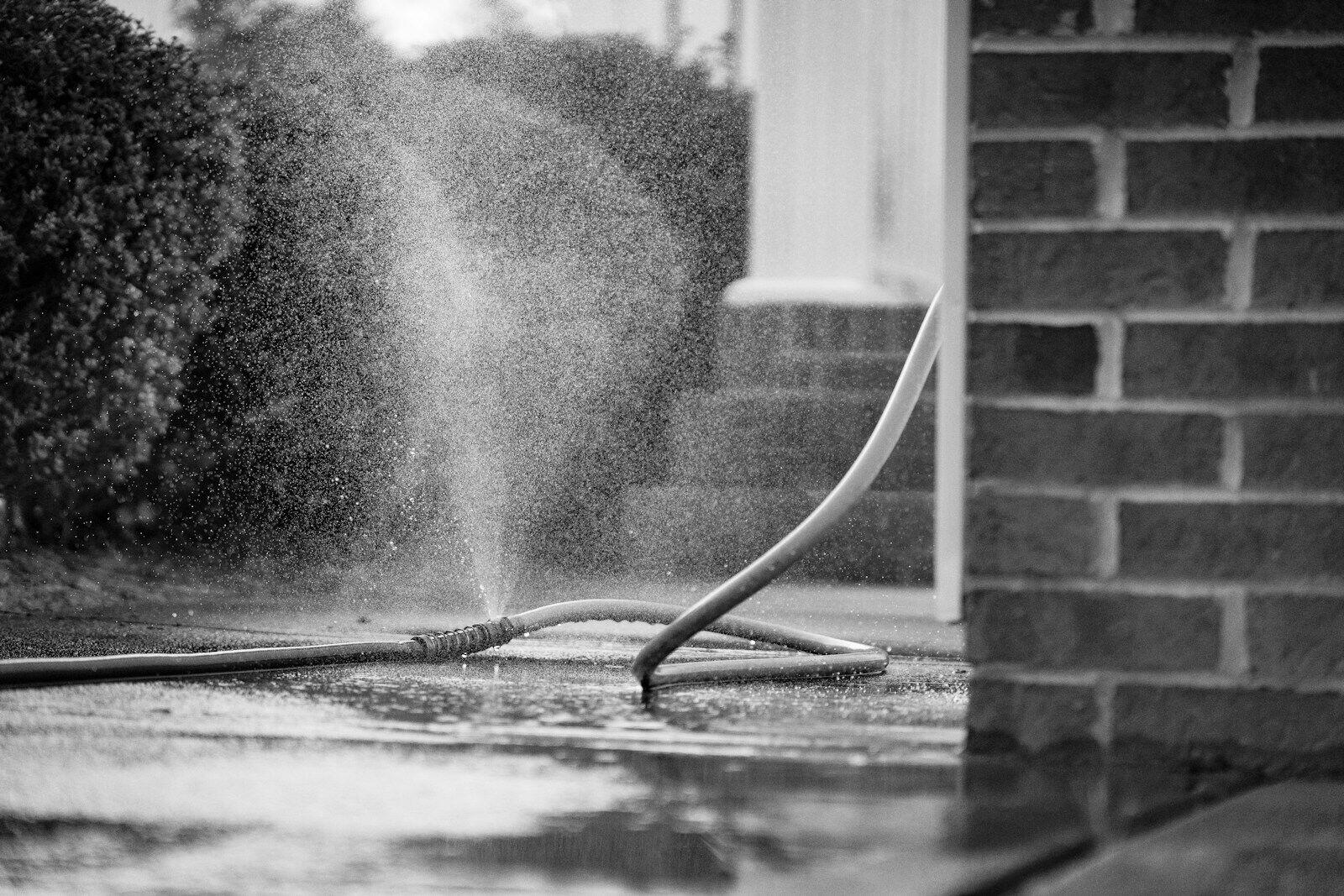
When cleaning siding, technique matters just as much as timing. High-pressure water aimed upward can force moisture behind lap siding, leading to trapped dampness inside wall cavities. A gentle wash using biodegradable cleaners and controlled water pressure lifts dirt and kills algae spores without damaging delicate finishes or forcing water behind panels.
Restoring Driveways and Walkways After Salt Exposure
Concrete and interlocking brick driveways take the heaviest beating during winter. Rock salt and chemical de-icers keep walkways safe for your family, but once the snow melts, those minerals remain embedded in porous surfaces. Because concrete absorbs moisture like a sponge, lingering salt accelerates surface flaking—commonly known as spalling—and weakens mortar joints between pavers.
Oil drips from winter idling, rust stains from snow shovels, and compacted sand tracked in from municipal roads also settle into driveways by spring. Addressing these issues before the summer heat bakes stains into the concrete helps preserve both the appearance and lifespan of your hardscaping:
-
Sweep and clear debris first: Remove accumulated gravel, sand, and twigs so they do not scratch surfaces or clog nearby storm drains during rinsing.
-
Treat stubborn stains early: Use an appropriate concrete degreaser or rust remover on automotive spots before washing the entire surface.
-
Check joints and edges: Look for weeds sprouting between interlocking stones and top up polymeric sand once the surface has fully dried to prevent shifting.
Prepping Wooden and Composite Decks for Summer Living
Once the weather warms up, the backyard deck quickly becomes an extension of the family living room. However, wet leaves, melting snowdrifts, and poor winter airflow often leave wooden boards slippery with mildew and greyed from moisture exposure. Even low-maintenance composite decking collects pollen, dirt, and organic film that can cause discolouration if ignored.
Before setting out patio furniture or firing up the barbecue, inspect deck boards, railings, and stairs for popped nails, splintered wood, or soft spots caused by trapped moisture. A thorough spring wash removes slick algae buildup—making the deck safer for children and pets—and opens up wood grain so it can properly absorb fresh stain or water-repellent sealer.
For homeowners balancing busy work schedules and family commitments, tackling multi-storey siding, oil-stained concrete, and delicate wood surfaces safely can be a major weekend project. Partnering with a reliable pressure washing company ensures the right water pressure and surface-safe cleaning solutions are used for each material, preventing accidental etching on concrete or gouging on cedar and pine boards.
Timing Your Spring Exterior Maintenance
In most parts of Ontario, the ideal window for exterior washing falls between late April and early June. Waiting until overnight temperatures consistently stay above freezing prevents water from refreezing in tiny concrete pores or along walkways, while completing the work before peak summer humidity stops algae and mildew from spreading across damp surfaces.
Planning your cleaning routine on an overcast day with mild temperatures also delivers better results. Direct summer sunlight causes cleaning solutions to evaporate too quickly on siding and decking, which can leave behind streaks or soap residue.
Building a Simple Seasonal Habit
Consistent spring care turns exterior home maintenance from an overwhelming restoration project into a straightforward annual routine. By clearing away corrosive winter salt, washing organic buildup off siding, and refreshing decks before summer arrives, Ontario homeowners protect their property value and create a clean, welcoming environment for the warmer months ahead.
About the Author