
A standard home insurance policy in Ontario covers a lot, just not everything people assume it does. Fire, theft and sudden damage are the easy part. The gaps show up in water claims, and winter is when those pile up. Give your policy an hour now and you will know where you stand before the first thaw.
Water is where the surprises are
Water damage is one of the most common reasons for home insurance claims in Canada. It is also where policies differ the most.
Plumbing, backups and flooding
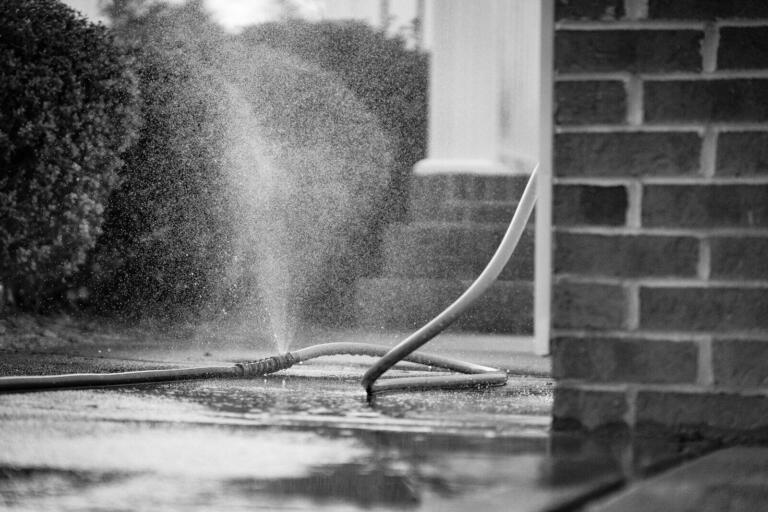
Damage from your own plumbing, heating or air conditioning is typically covered. A pipe that bursts in January is the textbook case. Water that arrives from outside, or backs up through the drains, is a different story. Sewer backup is an optional add-on in Ontario, not part of a basic policy. Overland flooding from rain, snowmelt or an overflowing river is its own separate coverage. Limits on these add-ons vary by insurer, so check the dollar figure, not just whether the line is there.
Keeping a backup from happening
Of the three, a backup is the one you can do the most about. A slow drain is often the first warning. Book drain cleaning services Niagara Falls the moment a drain starts running slow, not after the basement floor is wet. Keep the floor drain in the basement clear too. Then ask your insurer whether a backwater valve changes your coverage or your premium.
Who looks after the sewer pipe
Local rules matter here, and Cornwall is a handy example. The city’s website says the owner looks after the private sewer pipe end to end, up to the point where it joins the public main under the street. That includes clearing grease and roots. Whatever your policy says about the damage inside the house, the condition of that pipe is your own business. Look up the same rule on your own city’s website before winter.
Roofs, ice and snow
If wind or hail opens a hole and water gets in, the damage inside is usually covered. If the roof leaks because it is old and worn out, that is maintenance, and the repair is on you.
Ice dams are a separate case. Standard policies commonly cover sudden, accidental water damage from them. Slow, repeated leaking is a different matter and may not be covered. Keep eavestroughs clear before the snow stays, and watch the roof edge after a thaw.
What to check this month
-
Renewal date. IBC suggests leaving at least 60 days to go through your coverage with your broker or agent. If the renewal letter lands next week, you are already late.
-
Deductible. Know the number before you need it. Some policies set a different deductible for water damage than for wind or hail, so read the wording.
-
Home inventory. Photos or a short video, room by room. Add the holiday gifts afterward. Keep a copy somewhere outside the house, in a safety deposit box or cloud storage.
-
Big-ticket items. New jewellery, electronics and collectibles may hit per-item limits. Ask what the cap is.
-
Renovations. Finished the basement or built a deck? Tell your broker. Your coverage is based on the home as it was described when the policy was written.
One call does most of it
Phone your broker and ask in plain words: what is covered, what is not, and what are the limits on water add-ons. Write down the answers. File the notes with the policy, and you will not have to guess after a loss.
About the Author