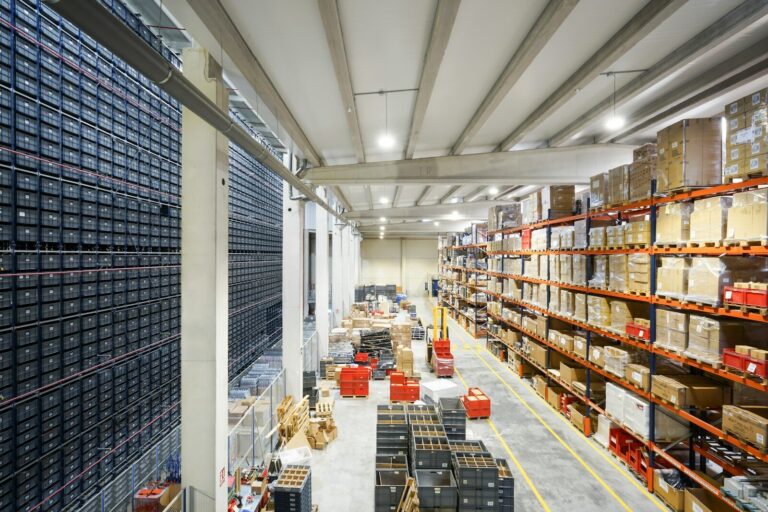



Accurate inventory forecasting is a primary factor in maintaining consistent delivery performance. Businesses that identify future demand can organize stock levels, minimize delays and support customer satisfaction. In sectors where clients require fast and consistent service, insufficient planning causes expensive interruptions in the supply chain.
Stock shortages, excessive inventory or slow fulfillment often occur when businesses do not forecast accurately – these issues lower customer trust plus raise operational costs. Reliable forecasting allows companies to respond to demand changes with certainty while facilitating organized warehouse tasks and transit planning.
Inventory Planning & Product Availability
Improved product availability is a significant benefit of precise forecasting. Organizations that predict demand correctly are likely to have items ready for purchase when needed – this practice lowers the frequency of backorders and allows fulfillment staff to handle orders without pauses.
Delivery reliability is more consistent when products are available because orders move through facilities with fewer obstacles. Businesses avoid urgent sourcing problems that disrupt shipping schedules when stock is ready for expected orders. Customers are more likely to receive packages on schedule when inventory planning creates stable conditions.
Warehouse Operations & Order Fulfillment
Productivity in a warehouse is dependent on forecasting accuracy. When a business knows which items are likely to sell in large amounts, managers can organize floor space, employee shifts but also picking tasks – this preparation enables teams to process orders at a faster rate during busy times.
Orderly warehouse planning also minimizes confusion and mistakes. Employees spend a smaller amount of time searching for stock or managing emergency replenishment. Staff pack and ship orders quickly, which helps a company keep its delivery promises even during seasonal peaks.
Transportation Coordination & Delivery Scheduling
Coordination between storage sites as well as transport providers is better when inventory forecasting is reliable. Shipping departments create schedules based on expected numbers instead of reacting to sudden shortages or spikes – this method results in an even shipping process that ensures items arrive on time.
Efficiency in transport also increases when a business predicts shipment sizes in advance. Logistics providers assign vehicles, drivers and routes with more precision when they receive data based forecasts. Many logistics firms require accurate inventory data to maintain operations and prevent delivery failures.
Customer Expectations & Business Reputation
Current consumers require fast or predictable service – Accurate forecasting helps a company meet these needs – reducing delays caused – missing stock or disorganized systems. People who receive their orders on time are likely to trust the business and make additional purchases.
Reliability in delivery defines how the public views a company in a competitive market. Businesses that often have shipping delays may lose clients to competitors with better systems. Accurate forecasting supports a dependable experience that builds long term professional relationships and brand status.
Cost Control & Supply Chain Stability
Forecasting inventory affects more than just speed – It also helps a company manage its spending throughout the supply chain. Keeping too much stock increases storage fees, while keeping too little leads to expensive emergency shipments. Better forecasting creates a functional balance between supply next to demand.
Affordable logistics strategies are more accessible with this balance. Businesses that plan inventory are in a better position to arrange transport schedules and cheap shipping costs. In some cases, precise forecasting helps a company offer low cost shipping services without losing reliability.
Seasonal Demand & Market Changes
Demand patterns often change during holidays, sales or economic shifts. Accurate forecasting helps a company prepare for these changes before they cause fulfillment issues. Organizations that expect seasonal demand increase their stock early to avoid shortages during busy weeks.
Adjusting to new consumer behavior is also easier with forecasting. Market trends move quickly, particularly in industries involving online retail. Companies with robust systems are more likely to change their inventory plans in time to keep deliveries consistent during market shifts.
Technology & Data Analysis
Modern methods for forecasting are based on data and digital tools. Businesses use past sales records, buying trends plus management software to create predictions about future needs – these tools make forecasts more accurate and lower the risk of business interruptions.
Communication across departments is also better because of technology. Sales groups, warehouse managers and drivers see the same data but also work together. Improved communication results in better planning, fewer pauses and a more reliable process for the consumer.
Conclusion
Precise inventory forecasting is a necessary part of keeping delivery performance high in modern commerce. It helps a company ensure products are available, makes warehouses more efficient and organizes transportation. Businesses that prioritize accuracy are ready to meet consumer needs as well as manage supply chain difficulties.
Reliable shipping services is linked to detailed planning and informed choices. Companies that understand future demand avoid expensive problems while increasing customer trust. As expectations for service grow, accurate forecasting is a vital tool for supporting efficient delivery systems.
About the Author