

Keeping your home comfortable depends on managing temperature and airflow effectively. Whether it’s a hot summer or a cold winter, the right indoor climate greatly improves your daily life. Imagine walking into a home that feels just right, with every room comfortable. This enhances your comfort and overall well-being.
You can maintain your ideal home environment easily with modern technology. With the right tools and practices, you can control your home’s temperature and airflow year-round. Let’s learn how to control the home temperature and airflow.
Seasonal Maintenance Tips
To keep your home comfortable year-round, regular seasonal maintenance matters. Taking care of things each season can help prevent problems and keep your heating and cooling systems running smoothly.
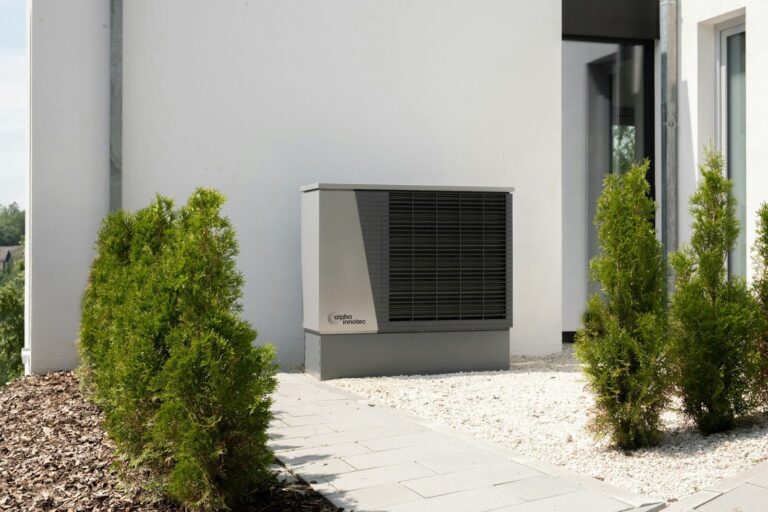
As temperatures begin to rise, get your air conditioning system ready. Start by scheduling a professional inspection to check if the system is working correctly. Clean or replace the filters, and look for any blockages in the outdoor unit. Remove debris from around the unit to allow good airflow. Also, check your insulation to help keep the cool air inside and the hot air outside.
Airflow Management
Airflow is just as important as temperature for home comfort. Proper airflow spreads heated or cooled air evenly throughout your home, avoiding hot or cold spots. You can improve airflow by regularly cleaning or replacing HVAC filters. Dust and debris can clog filters, reducing airflow and making your system work harder. This simple task can significantly improve comfort.
Also, check your ductwork for leaks or blockages. Even a small leak can cause energy loss and uneven heating or cooling. By sealing leaks and keeping your ducts clean, you improve airflow and make your HVAC Calgary system more efficient.
Thermostats and Smart Controls
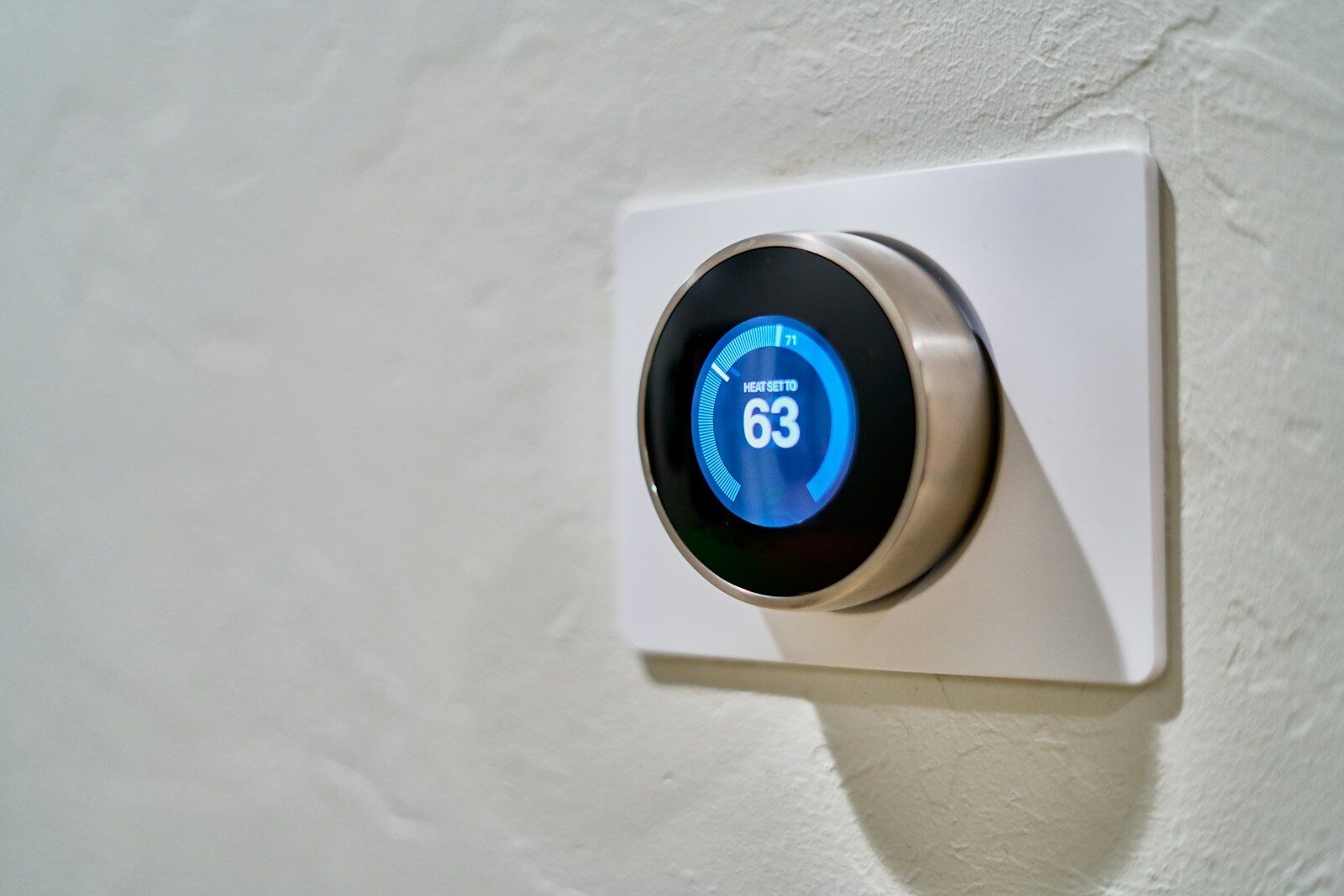
A good starting point for controlling temperature is your thermostat. Traditional thermostats let you adjust the temperature, but smart thermostats offer better options. These devices learn your schedule and preferences over time. They can adjust your home’s temperature automatically, making it comfortable while saving energy. Imagine coming home to a house that’s already at the perfect temperature because your thermostat knew when you’d arrive.
Smart thermostats also let you control your home’s temperature from your smartphone. This means you can adjust it while at work or on vacation. If the outside temperature changes unexpectedly, you can adjust it quickly from anywhere. This flexibility improves your comfort and helps save on energy bills.
HVAC Systems
A good HVAC system helps control your home’s temperature and airflow. It heats and cools your home efficiently, keeping it comfortable in any season.
Modern HVAC systems are designed to save energy. They can adjust their heating and cooling power based on the current conditions, rather than running at full capacity all the time. This not only keeps temperatures steady but also lowers energy usage, which means lower utility bills.
Many HVAC systems have advanced filters to improve indoor air quality. Clean air makes your home healthier and more pleasant. Regular HVAC maintenance helps your system work well for a long time.
Air Conditioner Installation
Installing an air conditioner is a great way to make your home more comfortable, especially in hot weather. Choosing the right unit size is important. A unit that’s too big cools the space quickly but won’t reduce humidity, making your home feel damp. A unit that’s too small will struggle to keep up, run constantly, and increase your energy costs.
Professional air conditioner installation is crucial. A skilled technician can assess your home’s needs, recommend suitable units, and install the system correctly for maximum efficiency. They will also help position the unit to promote good airflow throughout your home.
New air conditioners often come with energy-efficiency ratings, helping you choose a system that balances performance with lower operating costs. You can keep your home cool without overspending.
Ventilation Strategies
Good ventilation is essential for managing temperature and airflow. You can naturally ventilate your home by opening windows and doors to create a cross-breeze, helping cool your space without relying heavily on air conditioning. This works especially well during cooler evenings.
Mechanical ventilation systems also bring in outdoor air while maintaining indoor air quality. These systems balance humidity and filter out pollutants, ensuring your indoor air stays fresh. Using both natural and mechanical ventilation strategies maximizes comfort and improves indoor air quality.
Controlling your home’s temperature and airflow is about comfort and supporting your lifestyle. Tools like smart thermostats and efficient HVAC systems can help you create a comfortable indoor climate. Coming home to a pleasant environment after a long day is a simple pleasure that improves daily life. These upgrades can also make your home more enjoyable and energy-efficient.
About the Author