Keeping your home in good shape can feel like a lot of work, but having a routine makes it easier. Just like with a workout plan, a home maintenance schedule helps you catch problems before they grow too big. This way, you can keep your home safe and comfortable.
A good maintenance routine allows you to check both inside and outside your home. It helps you create a happy living space. By being proactive and checking things before they break, you can enjoy your home more.
Seasonal Checks
Start your home maintenance routine with seasonal checks. Every few months, walk through your home to see what needs attention. Check gutters for debris, test smoke detectors, and inspect the caulking around windows and doors. These small tasks can prevent water damage and save energy.
Doing these checks each season not only makes your home more comfortable but also saves you money later on. For example, a small leak can lead to mould and costly repairs if you ignore it. Spending a few hours each season looking for problems can help you fix them before they worsen. The change of seasons is also a great reminder to check your appliances and systems.
Air Conditioner Repair
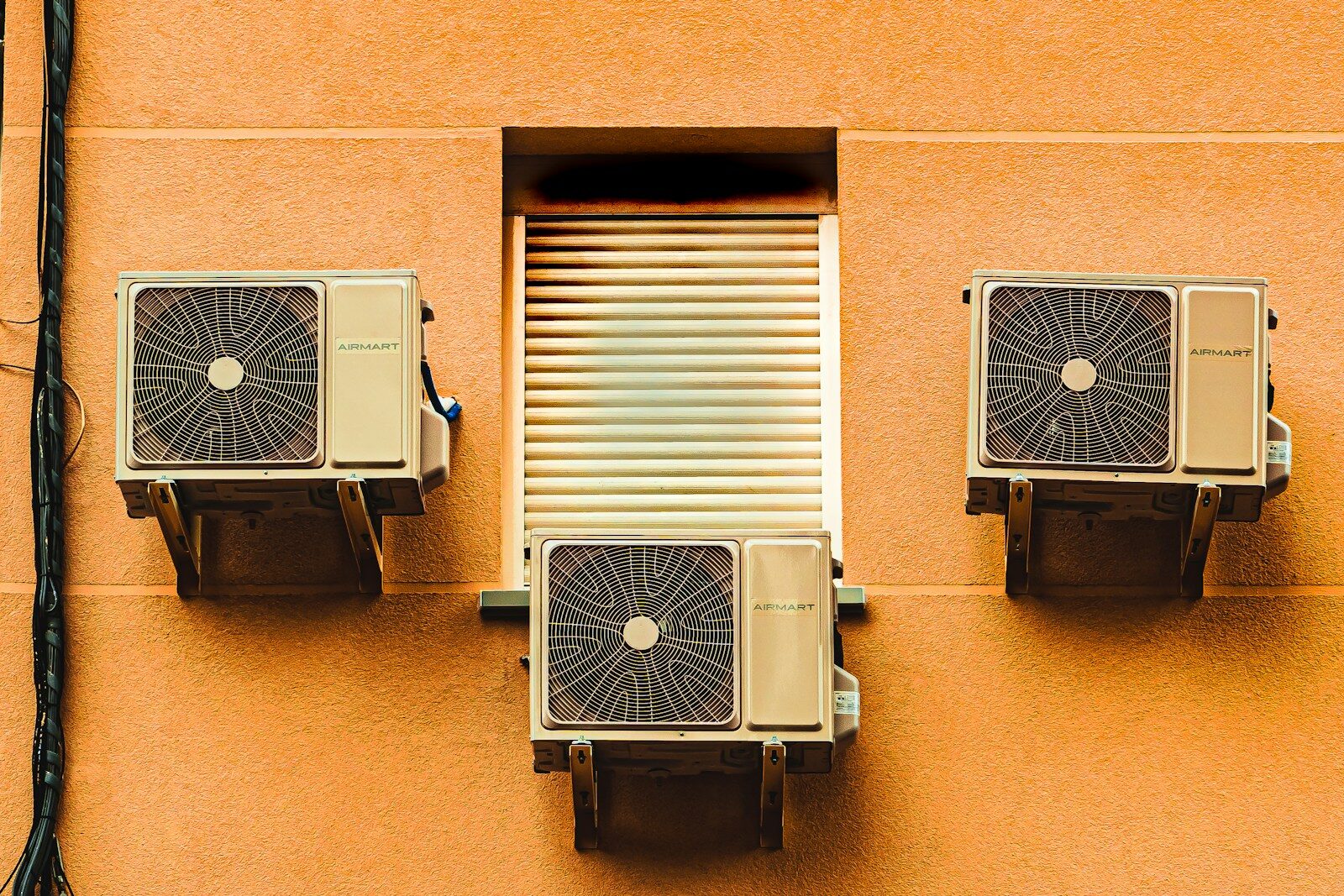
Your air conditioner is crucial for comfort, especially in hot months. Regular checks and maintenance keep it running well and efficiently. Routine maintenance can fix many problems, improve performance, and save energy.
If your air conditioner isn’t working, you can call a professional air conditioner repair Whitby service. Technicians are trained to inspect and identify issues early, so they can resolve them quickly. This ensures you stay cool and comfortable at home without stress.
The HVAC System
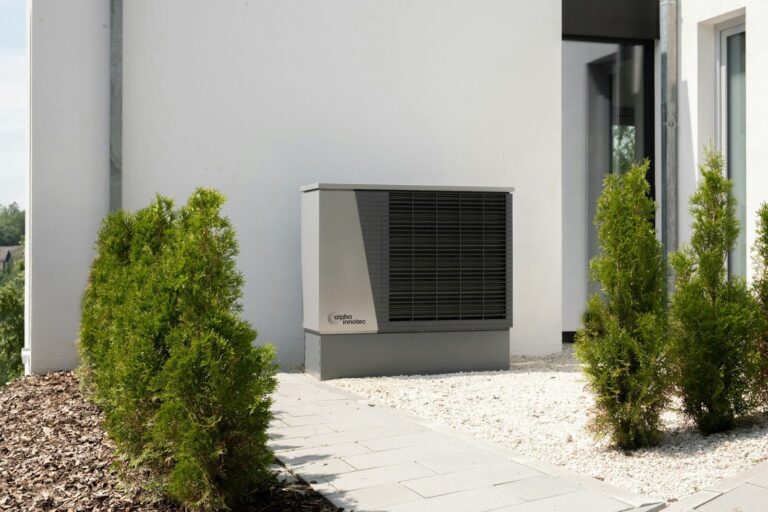
Your HVAC system keeps your home comfortable by providing heat and cooling. Regular maintenance helps it run well and last longer. A simple step, like changing the air filters, can greatly improve air quality and system performance. Dirty filters can block airflow, causing your system to work harder.
Maintenance may sound complicated, but it’s actually simple. Schedule a professional inspection once a year, and in between, do small tasks like cleaning the vents and checking for blockages. When a technician visits, use that time to ask questions or get advice. This proactive approach ensures your system runs smoothly and helps you understand it better.
Yard and Landscape Care
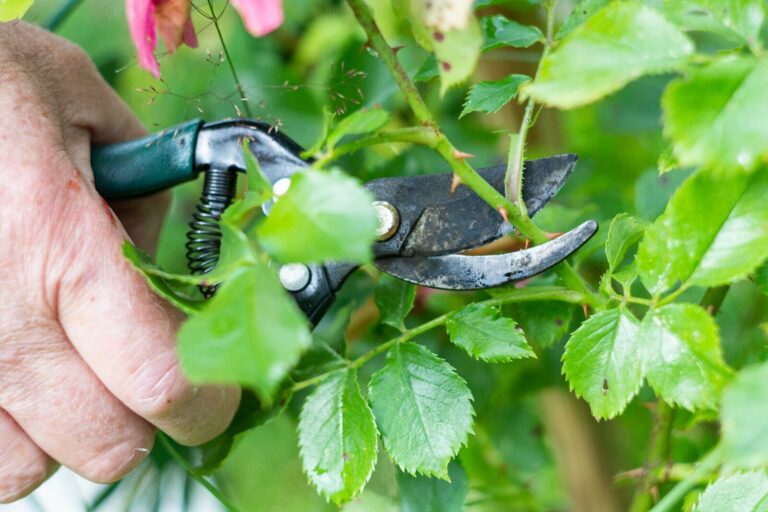
Taking care of your outdoor space is important. Good yard care does more than look nice; it can improve your home’s appearance and prevent issues like drainage problems. Regular tasks like trimming bushes, mowing the lawn, and controlling weeds help your property stay healthy.
Plan seasonal tasks to create a maintenance routine. For example, you can plant in early spring and focus on cleanup and mulching in fall. Keeping your lawn healthy helps control pests and protects your home’s structure. It feels great to see the results as you make your outdoor area welcoming for family and friends.
Small Repairs Matter
Fixing small problems quickly is essential for home maintenance. Whether it’s a leaky faucet or a broken doorknob, addressing these issues can stop them from turning into bigger headaches. Make a list of repairs needed and prioritize them to make the process easier.
You can do many minor repairs yourself, and there are plenty of online resources to guide you. By handling small jobs on your own, you can save money and gain a sense of achievement. Completing each task boosts your confidence in maintaining your home.
Proactive Approach
The main benefit of a home maintenance routine is the peace of mind it brings. Being proactive helps you avoid surprises, making it easier to enjoy your home. By staying organized and checking different areas regularly, you maintain your home’s look and protect your investment.
Home maintenance doesn’t have to be difficult. Break tasks into a simple schedule so you can enjoy the process and create a safe, functional, and welcoming space for yourself and your loved ones. Grab a checklist and give your home the care it needs. A well-maintained home is worth the effort.
Plumbing Inspections
Regular plumbing inspections help prevent leaks and water damage. Start by checking for signs of water damage under sinks, around toilets, and near water-using appliances. Look for discoloration, damp spots, or mould, as these can indicate hidden leaks.
It’s a good idea to have a professional plumber inspect your plumbing system once a year. They can check the main water line, assess water pressure, and ensure everything works properly. Also, learn where your home’s shut-off valves and drains are located so you can act quickly in an emergency. Fixing small plumbing problems early can help you avoid big issues and keep your home dry and comfortable.
About the Author