

Municipal elections are October 26 in Ontario. To help voters make an informed decision here in Cornwall, the editorial board of The Seeker has put together 10 questions for candidates seeking a seat at the municipal council table, whether as Councillor or as Mayor. To ensure fairness, the same questions were sent to every candidate. We sent a total of 10 and they had the option to answer all of them, or pick a minimum of 5. Their answers will be published in their entirety, in the order they are received. We will not edit, correct or modify any responses.
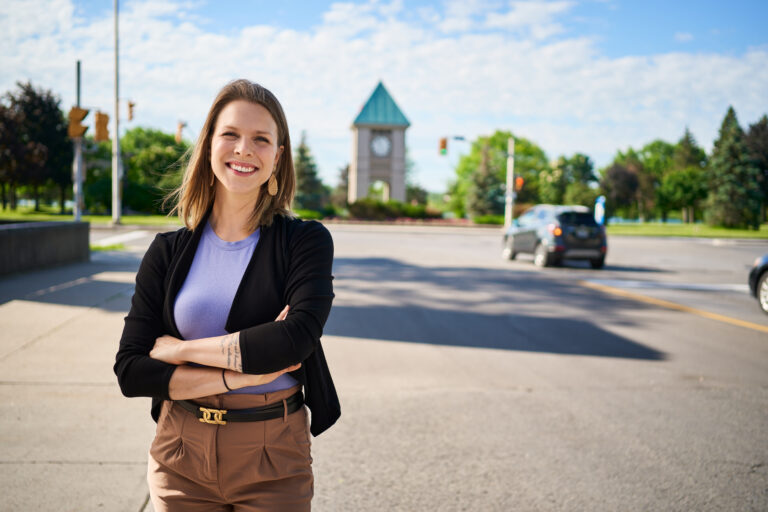
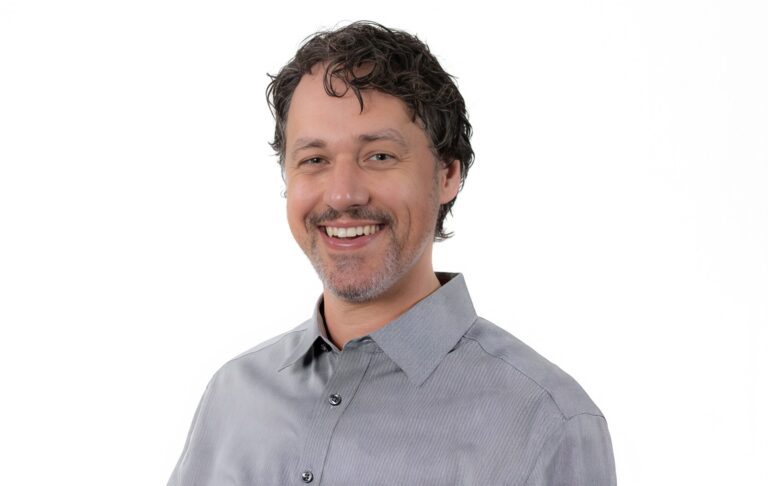
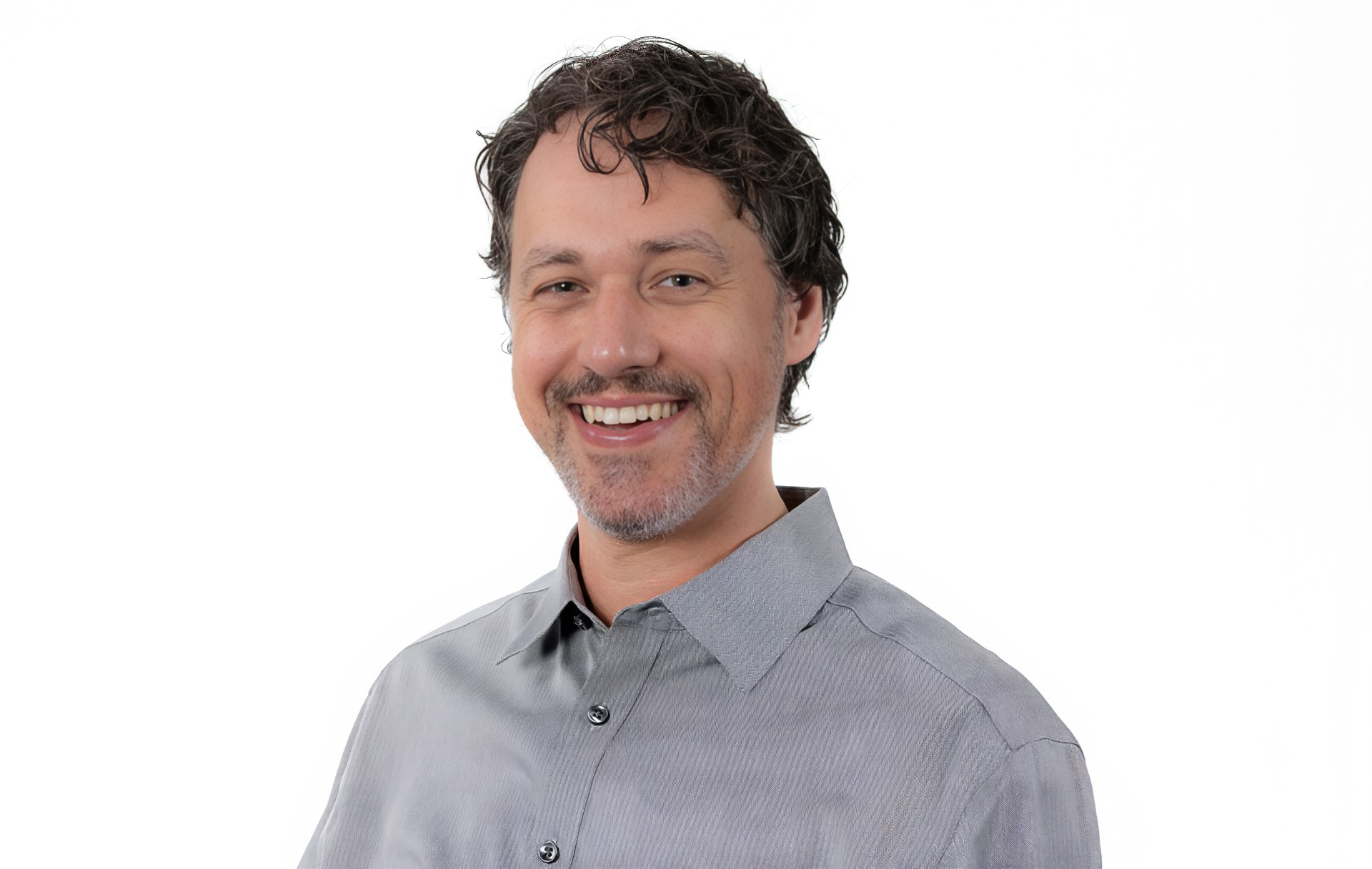
These are Jeremy Rose’s Answers. He is running for Councilor.
Who are you? Where are you from? What education do you have? What relevant experience do you have?
Hello, I’m Jeremy Rose! I was born and raised in Cornwall. My most recent education was my Motive Power Technician Diploma from St. Lawrence College. I worked as a mechanic before my most recent career move to become a Letter Carrier for Canada Post. There’s a good chance you’ve already met me working in your neighbourhood! I’m president of my Union Local, and a member of the Cornwall District Labour Council. I advocate for worker’s rights, and I want to be a part of a council that supports good jobs and a healthy community.
In The Seeker’s poll asking constituents about the most important issue facing them, a large majority of respondents answered “taxes/affordability”. What would you do as a Councillor/Mayor to make Cornwall more affordable, and what city services or spending, if any, would you be willing to reduce, change or eliminate to keep tax increases under control?
The honest answer, as a new prospective councillor, is you don’t know what you don’t know. Everyone who has ever considered being a politician wants to promise to cut taxes. I pay them too! But I won’t advocate for cuts without considering the consequences. People rely on the services these taxes provide.
Over the past few years, many constituents have expressed concern that the city’s homelessness situation has significantly worsened. What would you do as a Councillor/Mayor to address this issue?
Canada is now living in a housing crisis. As a community, we are not alone. Part of what I do for a living is walk through all the neighbourhoods in our city. In the 8 years I’ve been doing this I’ve never seen so much vacancy in so many places. Part of the problem seems to be rent is just too unreasonably high, and new landlords seem disinterested in whether their property has a tenant. Vacancy bylaws, like those implemented in Ottawa, can help with the push to help people find an affordable place to live.
Why are you running for Council? What is the most important issue facing the City of Cornwall today?
If you think you can help, you roll up your sleeves and get into it. I want to join council to be a part of the plan for Cornwall’s future. Housing does look like our biggest issue. Our city will be growing over the next few years. Let’s plan bylaws that make sure we encourage the construction of buildings people want, build them in the right places, and make a commitment to make safe spaces for the people who cannot afford them.
Many constituents have expressed concerns about accountability and controversy surrounding Council. What could you do as a Councillor/Mayor to improve transparency and accountability?
Honestly, we’ve gotten too comfortable with hostility in our politics, and it’s taking a toll on the people who show up to make this government work. The effort to provide accountability goes hand in hand with being respectful to the person offering you the account.
We constantly hear about the Art Centre and the water meters. Many residents have expressed the view that these were bad decisions on Council’s part. Both projects are being implemented, but they remain a sore spot for some voters. Would you consider revisiting or changing decisions made on those projects?
It’s not easy trying to finish projects that have gone wrong. We’re looking at two very different situations in this question:
The Arts Centre
Originally part of the 2016 Civic Complex renovation plan, this centre was supposed to be a venue that would draw more traffic and tourists to our downtown core. It’s been frustrating to watch the constant delays cause the costs to grow. But to cancel it outright is to lose out yet again, like we did when we tore down the Capitol Theatre. That council balked at what back then seemed like an outrageous cost and deferred the investment until the opportunity was gone! Sometimes you need to commit to just making it happen. It needs to get done, get open, and show people what it can do to improve the Pitt street community.
Water Meters
Water meters first came on the Cornwall Council radar in 2023. It was billed as a cost saving measure, and a “fair-share” way of handling the rising costs of our aging water supply system. But by 2025, it became obvious that the government is encouraging the privatization of municipal water supplies, and these meters could make it easier to set up a for-profit corporation that takes the water utility off the city’s books. A modern home needs power, clean water, and sanitation to function. The meters potentially join the decisions to sell off our power utility and contract out our garbage collection. I struggle to see the benefit of these changes, and I wouldn’t have supported them. The last thing I need in my life is yet another CEO of another corporation gouging me for profit. Where the Arts Centre needs to prove a benefit to downtown business, the water meters need to give a guarantee. We need to commit to a public water utility so we don’t backslide into “haves and have-nots” when it comes to affordable, clean drinking water.
What would you do to improve our relationship with Akwesasne? What does Truth and Reconciliation look like to you? Explain how Cornwall can take steps toward it.
I want to live in a world where we have fairness and equality for all people. We’re not there yet. Our First Nations neighbours still fight against racism and prejudice today. I’m confident in Cornwall’s commitment to Jordan’s Principle. Much of Truth and Reconciliation calls on Federal and Provincial governments to set up laws and infrastructure that educate, integrate, and support the culture of First Nations people. A lot of the work to make this happen lives outside the authority of the City Council. A first effort I would make would be to advocate for free and unrestricted border travel for First Nations people. This would put our local reconciliation conversation on fair footing. Bridge tolls and border crossing checkpoints pose an unwelcome shadow on Indigenous people who come to Cornwall.
Cornwall’s municipal government relies on experienced and qualified staff to deliver services to residents. What would you do as a Councillor/Mayor to ensure the city can attract, retain and support the best possible people in senior positions?
Rounds of layoffs are constantly in the news. Lots of people in town have lost their jobs lately, and workers for the city have suffered too. Cornwall needs to offer stability and resources to its working staff. Hiring senior managers alone doesn’t do anything useful. A manager needs a skilled, supported staff in their department to produce any meaningful results for our city.
Healthcare is primarily a provincial responsibility, but access to healthcare is a major concern for Cornwall residents. What can the City of Cornwall realistically do to help improve healthcare access, and would you make it a priority as a Councillor/Mayor?
New doctors have recently come in to the community, responding to the shortage. I’m grateful they’re here, and welcome to Cornwall! This will need to keep happening for a long time to end the waitlists and give people reliable access to medicine. The priority for me is stability. It’s still true that doctors and nurses are still experiencing high rates of burnout trying to keep up with the frantic amount of patients they see in a day. We can’t risk losing the few we’ve gained. We could explore a municipally run clinic to run alongside private practices. There, we can offer an environment where doctors don’t have to worry about overhead and staffing and can focus on seeing patients.
Many residents are concerned about crime, vandalism, drug use and a general decline in their sense of safety. What can the city realistically do to address these concerns, and where should municipal responsibility end and provincial or federal responsibility begin?
How do we help people who don’t want help? How do we control addiction? Is this what is driving an increase in crime? Handling these questions requires specialists to work the problem. The Cornwall City Police have a number of specialist divisions like the Mobile Crisis Response Team and the Street Crime Unit. We have outreach and prevention programs through our Crime Reduction and Community Partnerships Division. I hear how frustrated our community is with the rise in crime. I’m willing to invest in the people and resources needed to win back our sense of safety.
About the Author