


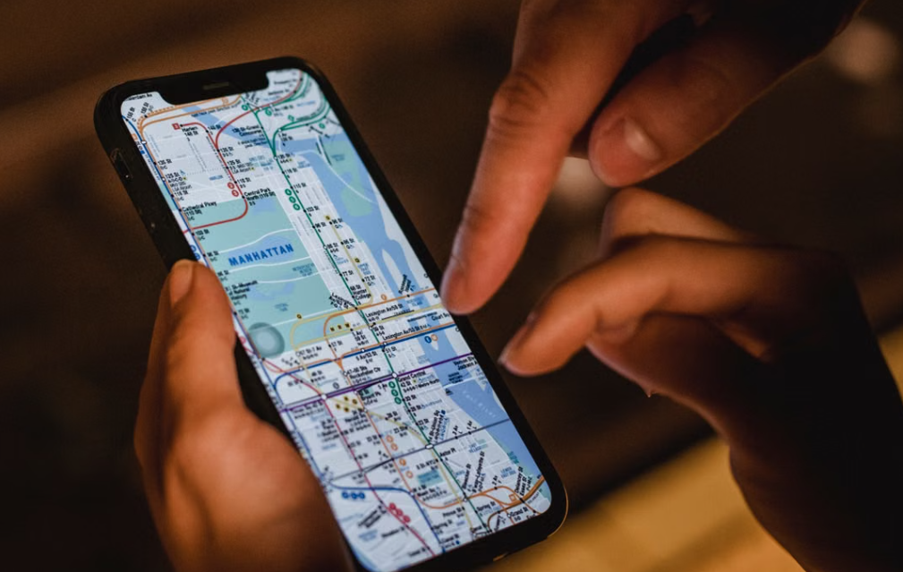
The internet was once presented as a borderless space where every user could access the same information, products, and entertainment. In practice, location now influences almost every part of the online experience, from the prices people pay to the services they can legally use.
Canada had 38.2 million internet users at the end of 2025, representing 95.1% of the population. The country also had 42.4 million active cellular connections, equivalent to 106% of its population because some people use multiple devices or subscriptions. For this highly connected audience, location data has become a vital tool for businesses, regulators, and digital platforms.
Shopping Is Becoming More Localized
Online retailers can use a visitor’s location to determine product availability, delivery charges, taxes, and estimated arrival times. Two customers visiting the same website may therefore see different prices or purchasing options.
Location is especially important in Canada, where delivering an item within Toronto is very different from sending it to a remote northern community. Retailers can use postal codes to display regional inventories, prevent orders for unavailable products, and direct customers toward nearby collection points.
Local identity also affects purchasing decisions. In 2026, 65% of Canadian online shoppers said they preferred buying from Canadian retailers when given the choice. More than half of those shoppers identified support for the domestic economy or local businesses as their main reason.
Streaming Libraries Depend on Geography
Entertainment platforms use location information to manage licensing agreements. A movie available in Canada may be missing from the same service in the United States, while sporting events can be subject to regional broadcast restrictions.
Music, television, gaming, and live sports rights are frequently sold by country or territory. Platforms consequently rely on IP addresses, account details, and sometimes device-location data to decide which content a subscriber may access.
These systems are becoming more sophisticated as virtual private networks make basic IP checks easier to bypass. Some platforms now combine several indicators, including payment location, device settings, and repeated login patterns.
Search Results Are Increasingly Local
Search engines use location to make results more immediately useful. A search for “coffee shop,” “pharmacy,” or “electrician” would provide little value if it prioritized businesses hundreds of miles away.
Location can influence map listings, opening hours, local news, weather, transportation information, and product availability. It also gives smaller companies an opportunity to compete without outranking national brands across the entire internet.
However, localization can narrow what users see. Personalized results may repeatedly prioritize nearby sources, reducing exposure to alternatives from other regions. Convenience is valuable, but users should understand that their results are being filtered.
Financial and Regulated Services Need Accurate Locations
Banks and payment providers use location signals to identify potentially fraudulent transactions. A payment attempted in another country shortly after a domestic purchase may trigger additional verification.
Location also determines access to regulated products. Insurance, investments, healthcare services, and online gambling can all operate under provincial or national rules.
Canada’s gambling framework provides a clear example. Online casino availability and consumer protections differ between provinces, so a platform accessible in one location where it is fully regulated like Ontario, may not be authorized in another. For this reason, Casino.org in Ontario reviews the online casino options available to Ontarians, ensuring they stay within the law. Gambling represents only one application of geolocation, but it demonstrates why websites cannot always treat every Canadian visitor in the same way.
Location-Based Services Are Growing Rapidly
The global location-based services market was valued at approximately US$130.6 billion in 2025 and was projected to reach US$167.3 billion in 2026, an annual increase of more than 28%. Forecasts suggest it could approach US$447 billion by 2030.
The market includes navigation, delivery tracking, local advertising, vehicle services, emergency response, and indoor positioning. Retailers can send an offer when a customer approaches a store, while transportation apps can calculate fares and arrival times using live movement data.
The next phase will combine location with artificial intelligence. Digital assistants may automatically recommend nearby services, rearrange travel plans, or warn users about disruptions. These features could save time, but they will also require access to increasingly detailed personal information.
Privacy Is the Central Trade-Off
Location services provide convenience, but they can also reveal where someone lives, works, shops, and spends leisure time. In 2026, 41% of Canadian internet users said they had declined app permissions because of privacy concerns, while 34% had deleted an app.
Data location matters as well. Around 67% of Canadians consider it important that their personal information is stored on servers located within Canada. Meanwhile, 18% report having experienced a successful cyberattack or data breach.
Businesses should therefore collect only the location data they genuinely need, explain how long it will be retained, and give users meaningful control over permissions.
The Internet Is Global, but Experiences Are Local
Location makes online services more relevant, secure, and legally compliant. It can improve deliveries, personalize searches, protect payments, and connect users with nearby businesses.
Yet every benefit depends on trust. As digital services become more location-aware, companies must demonstrate that convenience does not require unrestricted surveillance. Where someone lives or travels will continue to shape what they see online, but users should retain control over how much of that information they share.
About the Author