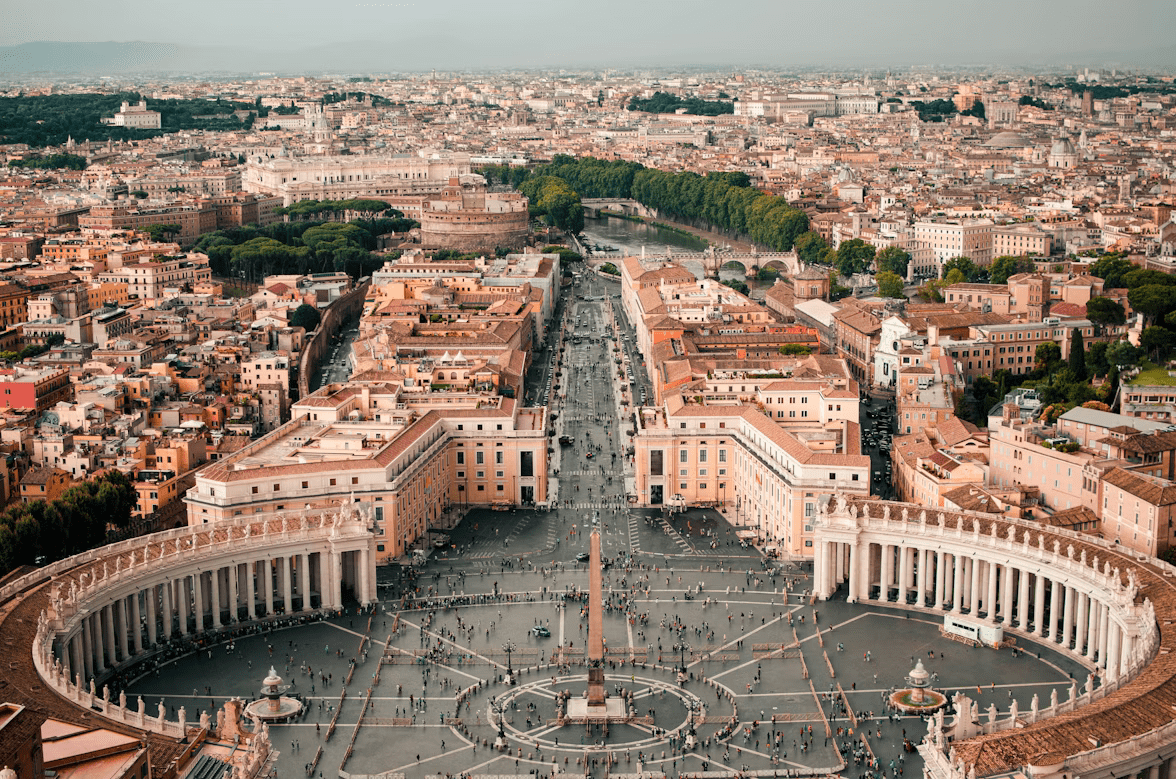
Rome rarely needs an introduction, yet most visits still orbit around the same landmarks. The Colosseum, the Vatican and the Trevi Fountain continue to define the typical itinerary. However, a growing number of travellers are shifting their focus toward neighbourhoods that offer a more contemporary and local perspective. San Lorenzo stands out among them.
Located just outside the historic centre, this district has evolved into one of the most dynamic areas of the city. Its identity is shaped less by monuments and more by everyday life, creativity and a strong sense of community. For those looking to experience Rome beyond its postcard image, San Lorenzo offers a compelling alternative.
Why is San Lorenzo attracting a new generation of travellers?
San Lorenzo has long been associated with students and artists, largely due to its proximity to Sapienza University. This influence is still visible today, giving the neighbourhood a youthful and constantly evolving atmosphere.
The streets are lined with independent cafés, informal eateries and cultural spaces that reflect a more relaxed pace of life. Murals and street art have become part of the district’s visual language, turning entire façades into open-air galleries.
Many travellers are now choosing apartments in Rome’s San Lorenzo district, drawn by its authentic character and distance from overcrowded tourist zones. This shift reflects a broader trend: visitors increasingly value immersion over proximity to major landmarks.
A neighbourhood shaped by history and resilience
San Lorenzo’s identity is not only defined by its current vibrancy. The district carries a complex past, particularly marked by the heavy bombings it suffered during the Second World War. Traces of that history remain visible, adding depth to its urban landscape.
Unlike the polished image of central Rome, San Lorenzo feels lived-in and unfiltered. Local markets, traditional workshops and long-standing family businesses coexist with newer creative ventures. This contrast creates a layered environment where past and present interact naturally.
Walking through its streets reveals a Rome that is less curated and more spontaneous, where daily routines take precedence over spectacle.
Food, culture and nightlife without formalities
San Lorenzo’s culinary scene reflects its informal spirit. Restaurants tend to favour traditional Roman recipes served without embellishment, often at more accessible prices than in the city centre.
In the evening, the neighbourhood transforms. Bars, live music venues and small cultural hubs attract both locals and visitors. The atmosphere remains approachable, without the exclusivity found in other parts of the city.
This balance between food, culture and nightlife contributes to its appeal. San Lorenzo offers a social experience that feels integrated into the local fabric rather than designed for tourists.
Staying in San Lorenzo as part of the experience
Accommodation plays a key role in shaping how visitors perceive a destination. In San Lorenzo, staying within the neighbourhood allows travellers to engage more directly with its rhythm.
Choosing local accommodation options, particularly apartments, provides greater flexibility and a closer connection to everyday life. Morning coffee at a nearby café, evening walks through mural-filled streets and casual interactions with residents become part of the experience.
The district encourages a slower, more observant way of exploring Rome, where the focus shifts from ticking off landmarks to understanding the city’s evolving identity.
A growing alternative within Rome’s travel landscape
San Lorenzo is no longer an overlooked corner of the city. Its appeal continues to expand, especially among travellers seeking authenticity and cultural depth.
As tourism patterns evolve, neighbourhoods like San Lorenzo are redefining how Rome is experienced. The city’s richness is no longer confined to its historic centre but extends into areas where contemporary life unfolds with equal intensity.
About the Author