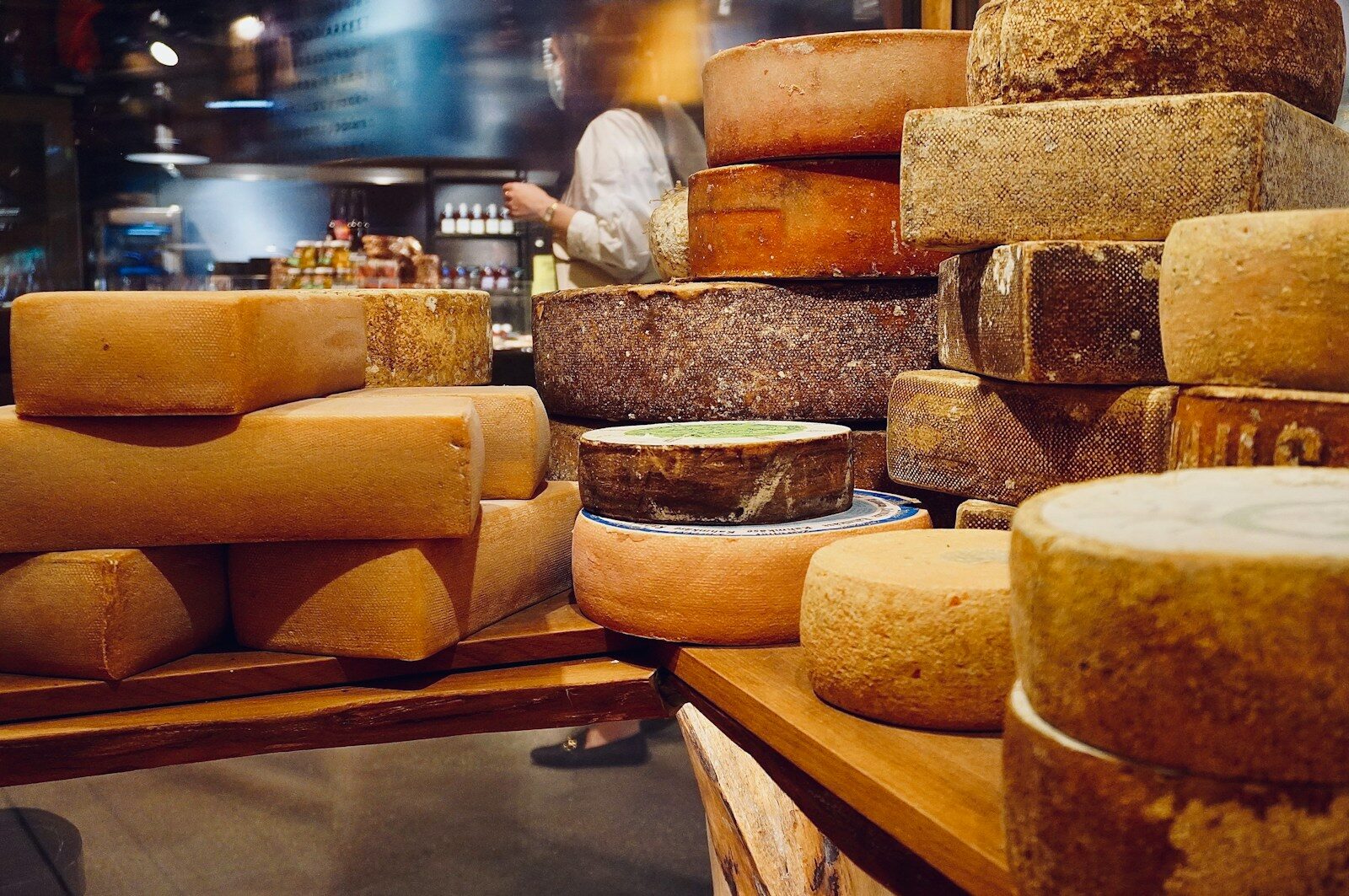
When Glengarry Fine Cheese in Lancaster won gold for their Celtic Blue Reserve and silver for Lankaaster aged (Gouda style) cheese, out of a selection of 5,000 cheeses from 40 countries, at the World Cheese Awards held in Switzerland last fall, they were continuing a 130 year plus Glengarry tradition, in the production of world class cheese. Capturing at least 30 prestigious awards, for traditional cheddar and innovative products developed by the company’s founder Margaret Peters Morris, her high quality work is now continued by award winning, master cheese maker Billy McPherson.
The recent merger of Udder Way Artisan Cheese Co. with Glengarry Fine Cheese, also shows parallels with Lancaster’s historic cheese industry, that grew to dominate the Canadian market through amalgamations.
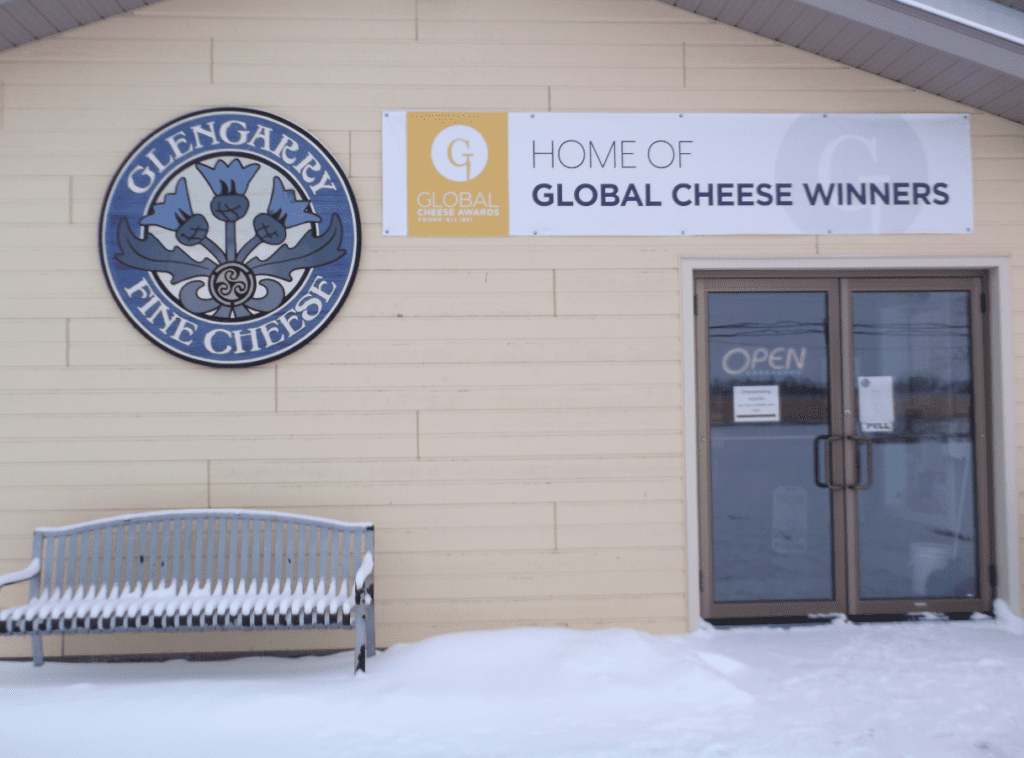
Glengarry Fine Cheese opened in 2008 and is located just north of Lancaster on the west side of County Road 34.
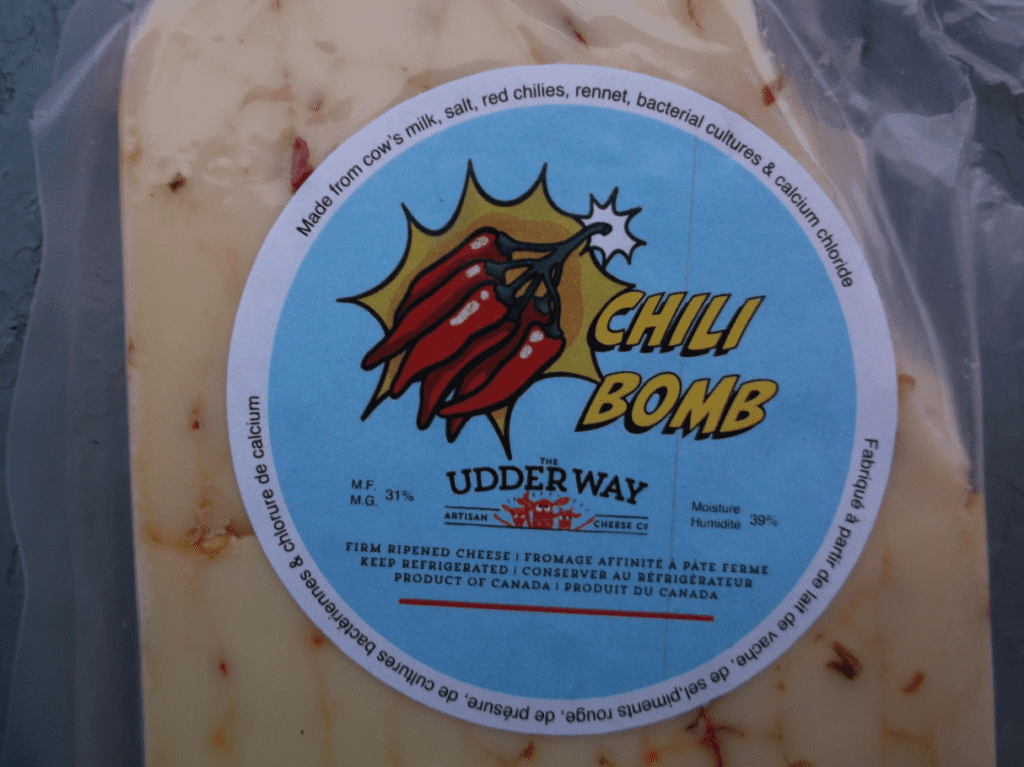
You haven’t had “chili” cheese until you have tried Udder Way’s product. Unlike the spicy cheese made by the big corporations, where the cheese base is only there to hold the “heat,” “Chili Bomb,” delivers heat with a real cheese base. The best spiced cheese I have ever had.
SOME HISTORY
For well over a century, SDG has been home to Canada’s cheddar cheese industry. John Wesley Ault in Winchester, and David Murdoch McPherson (also Macpherson) known as “D.M.” in Glengarry became industry leaders by perfecting their craft and absorbing local small producers.
In Lancaster Township (South Glengarry), McPherson opened his first factory, the Allan Grove Combination (cooperative) in 1870. An adept cheese maker, or “formager,” and entrepreneur, this move set D.M. on a trajectory that led him to the presidency of the Dairyman’s Association of Eastern Ontario, and the Glengarry Farmers’ Institute in 1886. D.M. was so successful, that within three years, Allan Grove controlled 1/8th of Canada’s cheese production.
In his heyday McPherson’s products won international fame at the 1893 Chicago World’s Fair, where all of the cheeses that scored 90-97% were produced by him.
Endorsements like this made D.M. Canada’s and possibly North America’s “Cheese King,” by the late 1890s.
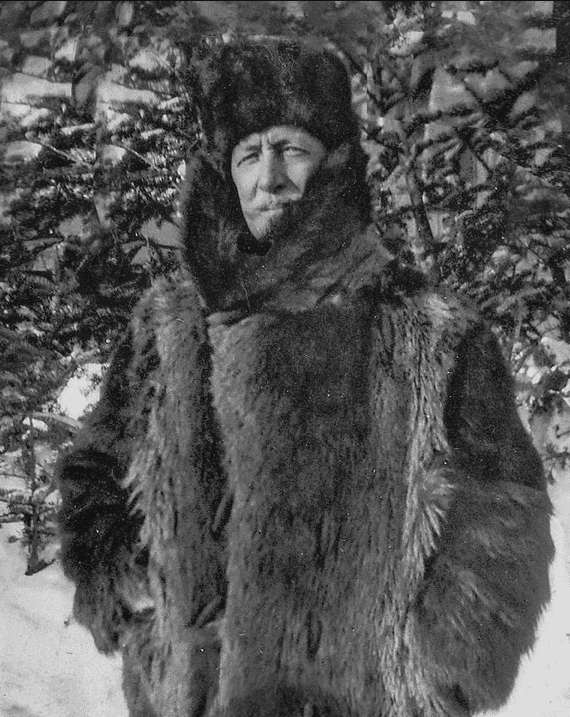
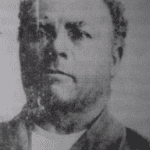
Cheese King D.M. McPherson, (1847-1915), M.P. P. for Glengarry, 1894-98. (Photo courtesy, Wikipedia as MacPherson).
These halcyon days were not to last and in 1905, McPherson’s cheese empire was bankrupt, due to the fact he could no longer effectively manage his holdings, which at one time included ownership or partnerships in more than 70 cheese factories across Glengarry, Quebec and New York State. And in a reversal of the thinking that bigger led to cost cutting efficiencies, he simply couldn’t compete, according to historian Rosemary Rutley, with the numerous smaller operations who undercut his prices.
CHEESE ACROSS SDG
While McPherson and Ault came to dominate the local production of cheese, they were not alone.
In 1906, the United Counties had 215 cheese factories: 77 in Dundas, 78 in Glengarry and 60 in Stormont. By 1920, Cornwall and SDG counted 2,000 milk producers known as patrons, who sold $1 ½ million dollars of product annually (a little more than $54,000,000 today), giving SDG the largest dairy industry in Canada.
World War II completely changed the Tri Counties’ cheese industry and signaled the end of producer operated cheese factories.
In 1940, SDG counted 153 registered cheese factories and creameries, with 49 in Dundas, 62 in Glengarry and 42 in Stormont. In 1978, they were all gone and replaced by three large corporations, and of these, only Ault continued to make cheddar.
Historians Frances and Clive Marin trace the demise of the industry in their 1982 history of the Counties. In this history the reader learns that the collapse of the small factories was not entirely due to the rise of large corporations. Due to the Great Depression of the 1930s, Canadian farmers suffered financial losses from the decreasing value of their products, locally and internationally. To resist falling prices and underselling and to begin exercising control over the market, the Ontario Cheese Factory Patron’s Association was formed in 1933. The federal government took steps to protect Canada’s agricultural industry a year later by enacting the Natural Products Marketing Act. Thirty-three years on, all aspects of the province’s dairy production were merged to become the Ontario Milk Marketing Board, which led to the present cheese quota system.
In 1979, Eastern Ontario’s roadside landscape was changed forever when the province phased out milk cans and replaced them with them with bulk carrier trucks.
THE DEMISE OF THE LOCAL CHEESE FACTORY.
The Marins point out that our “relative remoteness” to larger markets, actually helped local dairy farmers sell their cheddar across Canada and overseas, especially Britain. World War II, however, brought wartime rationing to Britain, that was worsened by postwar stringencies, leading the wholesale price of cheese fall below pre-War prices. This situation was exacerbated by the rising costs of packaging, American competition, the emergence of multi-national corporations, expensive new machinery, and increased government food standards, all factors leading to reduced profit margins for small factories. And to top it all off, many of these old, wooden buildings burned down, with three destroyed by fire in a two year period alone. Having contributed to the problems faced by small producers, the provincial government initiated the Plant Consolidation Assistance Programme in 1970, which permitted small operations to “sell out” debt free.
Locally, corporate cheese production consolidation arrived when Kraft purchased factories in Newington and Berwick in 1936, and acquired Williamstown’s factory in 1946.
About the Author