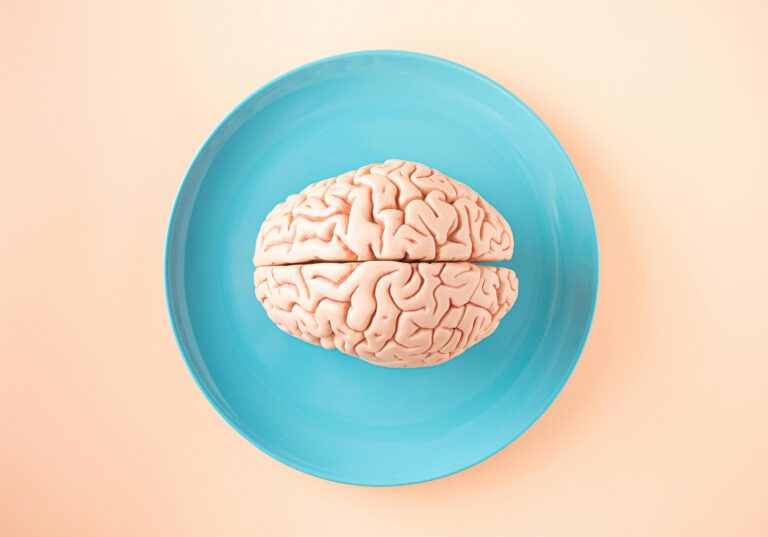
Staying focused used to be simpler. Now most people move from one screen to another all day, answer messages while eating, and work through mental fatigue without noticing how much their habits affect attention. Food plays a bigger role in concentration than many people realize. When meals are rushed, skipped, or built around convenience, focus often becomes inconsistent. Mental clarity is not just about discipline. It is also about giving the brain steady support through the day.
What Your Brain Actually Needs
The brain needs a reliable supply of energy. The last thing you need is to snack or drink sugar-laden beverages. Instead, having consistent meals that allow for slow digestion and avoid spikes and dips in blood sugar levels is what gets you through the day. A high-carb breakfast may satisfy you for about an hour, but it will likely cause mental fog by mid-morning. However, if your breakfast includes protein, fibre, and healthy fat, you may experience sustained attention throughout the morning. Scrambled eggs with whole grain bread and avocado; Greek yogurt with various types of berries and seeds; or cooked oatmeal with peanut butter.
The Food-Screen Work Cycle
Screen-heavy routines often lead to distracted eating. People work through lunch, grab processed snacks, or depend on caffeine to cover low energy. These habits can negatively affect how well you concentrate and perform at your job. Eating while engaging in other tasks increases the likelihood that you won’t recognize your body’s signals that you are full and, therefore, increases your chances of consuming excessive amounts of calories or “grazing” without reason. A better eating habit would be to consider meals as true breaks from devices and screens. Awareness surrounding your meals will not only give you a true, beneficial break but also build better habits surrounding your food choices.
Food Choices Supporting Cognitive Function
Certain foods tend to promote better cognitive function and focus. High-protein foods provide feelings of satisfaction as well as provide stable energy levels. Whole grains release fuel into the body at a much slower rate compared to highly processed foods. Omega-3 fatty acids found in salmon, walnuts and chia seeds may aid in overall brain health. Leafy green vegetables, berries and legumes contain nutrients that are great for brain health. Proper hydration is crucial. Dehydration can result in fatigue, irritability and decreased alertness long before actual thirst occurs.
Practical Tips for Busy Schedules
Eating for better focus is usually less about willpower and more about setup. When the day gets busy, people reach for whatever is fast, and that often means food that leaves them feeling sluggish an hour later. A better strategy is to make focused eating easier before stress takes over. Keep a few reliable options ready, such as hard-boiled eggs, yogurt and fruit, grain bowls, soups, or ingredients for sandwiches with enough protein to keep you satisfied. Try to build meals that help you stay steady, not just full. It also helps to stop treating coffee as a substitute for food, especially during a packed morning. For those interested in consulting with an expert in developing realistic schedules around their work schedule and stress level issues, an esteemed service like JM Nutrition could provide valuable information customized to fit daily routines.
A Clearer Way to Eat
If you want better focus, start by looking at when and how you eat, not just what you eat. The goal is steady energy, fewer crashes, and better mental clarity across a full workday. In a distracted world, nutrition can become a quiet advantage. Eat with intention, keep meals simple, and give your brain the support it needs to do its job well.
About the Author