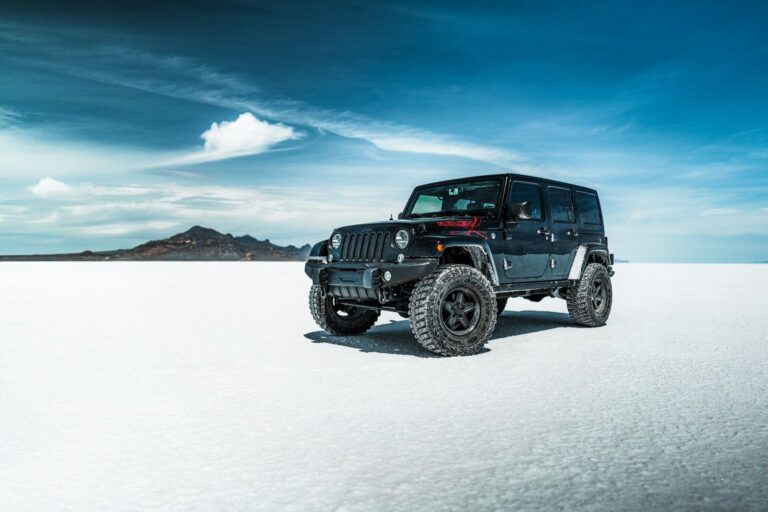


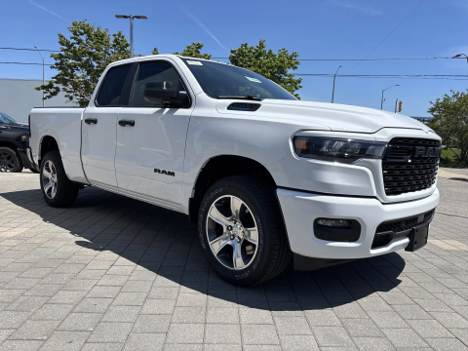
Buying a new truck or SUV can feel straightforward until you start comparing the details. Two models may look nearly identical from the outside but drive, tow, and cost very differently depending on trim, drivetrain, engine, axle ratio, packages, and dealer-installed add-ons. For local buyers, especially in a market as busy as the GTA, the challenge is separating practical value from showroom excitement.
For example, someone comparing a new Ram 1500 in Toronto may see several trucks with similar styling, similar monthly payments, and similar advertised capability. But one may be better suited for commuting and family use, while another may be configured for heavier towing, jobsite work, or weekend hauling. The same is true across many pickups and SUVs. The trim badge only tells part of the story.
Trim Levels Change More Than the Interior
Trim levels are often marketed as lifestyle choices, but they can affect much more than seat materials and screen size. A base trim may offer strong value for buyers who want utility without unnecessary extras. A mid-level trim may add convenience features, upgraded safety technology, better infotainment, and more comfortable seating. A top trim may bring luxury finishes, advanced towing tools, premium audio, and adaptive suspension.
The important thing is knowing which features are standard and which are locked behind packages. A vehicle that looks well-priced online may not include the equipment you assumed was included. Heated seats, trailer brake controllers, blind-spot monitoring, all-terrain tires, upgraded lighting, and larger displays can all depend on trim or package selection.
Towing Numbers Need a Closer Look
Maximum towing capacity is useful, but it is also one of the easiest numbers to misunderstand. Automakers usually advertise the strongest possible rating for a specific configuration. That number may not apply to the exact vehicle sitting on the lot.
Cab size, engine, drivetrain, axle ratio, payload rating, wheel size, and towing package can all affect real-world capability. Payload is especially important because passengers, cargo, tools, hitch weight, and accessories all count against it. A vehicle may technically have a strong tow rating but still be a poor match for a heavy trailer once real-life weight is added.
What Dealers May Leave Out
Most dealers are not trying to mislead buyers, but they are often working with available inventory. That can create pressure to choose what is on the lot instead of what best fits your needs. A salesperson may focus on payment, colour, trim, or incentives while spending less time on payload stickers, factory-order options, future resale, or long-term operating costs.
Before committing, ask for the vehicle’s specific towing and payload details. Review the window sticker carefully. Confirm whether the advertised price includes freight, fees, accessories, protection packages, and dealer extras. Also ask whether a different configuration would better match your driving habits.
Shop for the Vehicle You Will Actually Use
The smartest buyers think beyond the test drive. They picture winter commutes, cottage weekends, tight parking lots, jobsite loads, family road trips, fuel costs, and maintenance over several years. A higher trim can be worthwhile if it adds features you will use every week. A lower trim can be the better choice if it keeps costs manageable and still does the job.
Local dealers can help you compare options, but the best decision starts with knowing what to ask. When you understand trim levels, towing specs, payload limits, and pricing details, you are less likely to overbuy, underbuy, or get distracted by features that don’t matter for you.
About the Author