


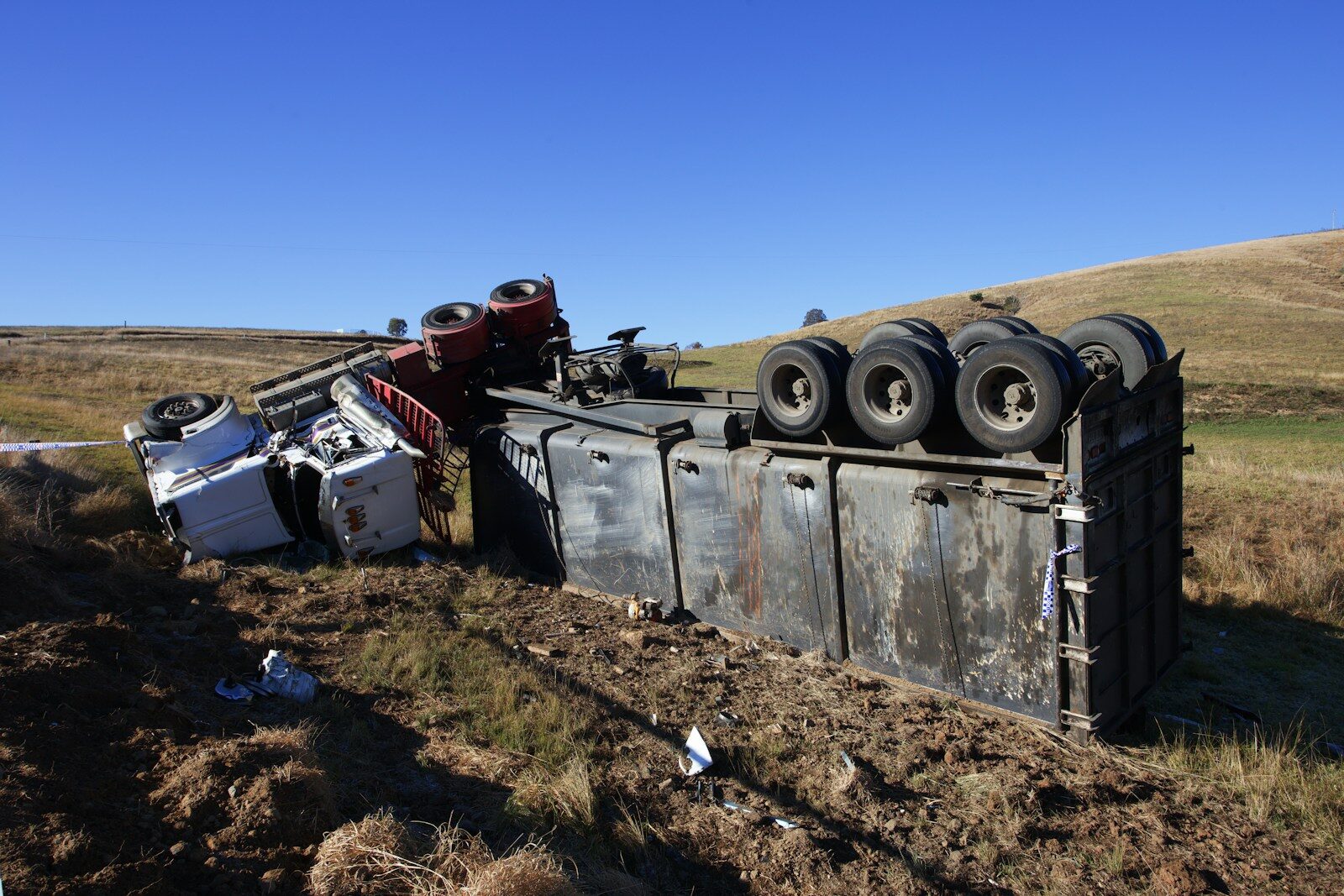
Federal regulations only require motor carriers to retain driver logbooks for six months. Once that timeline expires, trucking companies routinely delete hours of service records along with electronic tracking data. This standard administrative process legally erases the exact documentation needed to prove driver fatigue or mechanical failure.
Corporate defendants use short retention schedules to shield themselves from liability, allowing highly incriminating telematics information to vanish forever. Action taken within the first few days determines whether the truth survives. Waiting for an official police report often guarantees the loss of irrefutable digital footprints. Time ruins everything.
How Electronic Data Vanishes Within Days
Modern commercial vehicles function like massive rolling computers equipped with sophisticated tracking mechanisms. These onboard systems capture speed metrics and braking patterns leading up to an impact. Data vanishes extremely fast.
Companies maintain complete access to this digital footprint immediately following an incident. They also control the servers where the fleet management software stores the telemetry.
Erasing Telematics And Engine Control Modules
The engine control module records catastrophic events, yet the memory bank won’t hold more than a few hard brakes before overwriting older data. Moving the cab from the scene generally will not overwrite the hard-braking crash sequence, though it may alter ‘last stop’ data. Investigators must download the module immediately.
Overwriting Dash Camera Footage
Inward and outward-facing cameras constantly loop over existing video every few days. Fleet managers can easily claim the hard drive was corrupted or simply let the system record over the collision footage. Extracting the video requires specialized software to prevent accidental formatting.
Discarding Driver Logbooks
Federal Motor Carrier Safety Administration rules dictate short lifespans for paper and electronic logs. Keeping accurate duty status reports prevents exhausted operators from causing these catastrophic incidents. Unscrupulous managers frequently discard logs showing excessive driving hours to protect the corporate bottom line.
The Legal Concept Of Spoliation In Commercial Collisions
When a corporate entity alters or deletes relevant material in the course of impending litigation, courts apply the doctrine of spoliation. Plaintiffs must demonstrate that the opposing party possessed the records, had a duty to preserve them, and intentionally or negligently destroyed the files. Judges take this behavior seriously. Proving deliberate tampering requires swift intervention before the company executes standard document retention policies.
“Under federal regulations, motor carriers are only obligated to preserve electronic log data for six months, meaning fleet management systems are often programmed to purge these files once that timeline expires automatically”, stated Peter Jaraysi, a Duluth truck accident lawyer at Slam Dunk Attorney, “If a formal preservation hold isn’t issued immediately, the direct electronic logging record is deleted, forcing investigators to reconstruct a driver’s hours-of-service violations through secondary data like GPS pings, dispatch logs, and fuel receipts.”
The Immediate Legal Action Required To Preserve Records
Halting the destruction of digital materials requires a formal spoliation letter. This legally binding document places the motor carrier on notice regarding pending litigation and demands the preservation of all specified components. Issuing this demand triggers an absolute legal duty to override standard corporate deletion policies. Failing to send the letter allows the company to hide behind routine administrative schedules.
Firms must specify exactly what needs protecting. A vague request accomplishes nothing. The demand should list the engine control module and dispatch communications. According to the Centers for Disease Control and Prevention, motor vehicle collisions caused 41.241 fatalities in a single reporting year. Negligent carriers possess a massive financial incentive to hide damaging documentation.
Judicial Penalties For Destroying Crash Evidence
When a corporate defendant intentionally destroys telematics data, trial judges possess broad authority to impose severe sanctions. These penalties aim to level the playing field while punishing the offending party for obstructing justice. Judges punish obstruction severely.
Sanctions take several distinct forms depending on the severity of the spoliation:
- Adverse inference instructions force a jury to assume the destroyed items contained information detrimental to the motor carrier.
- Exclusion of specific testimony prevents the trucking company from presenting accident reconstruction analysts who relied on the altered data.
- Default judgments completely strike the defendant’s legal responses, automatically awarding liability to the plaintiff.
Imposing a default judgment remains rare but happens in egregious cases of systemic fraud. According to the Department of Justice, federal prosecutors pursued civil fraud recoveries totaling $2.2 billion in fiscal year 2022. Procedural tools exist to maintain the integrity of the civil justice system against such corporate deception.
Connecting Hours Of Service Violations To Missing Data
Commercial operators face strict federal limits regarding maximum driving hours to prevent fatigue on highways. Companies aren’t above forcing drivers to manipulate their electronic logging devices to bypass these safety mandates. Erasing this history conceals a widespread pattern of regulatory noncompliance. Disparities emerge instantly.
Finding the truth requires looking beyond the missing logs themselves. Attorneys subpoena fuel receipts and weigh station timestamps to recreate the actual route. Discrepancies between the physical receipts and the submitted logs expose the deception immediately. The Federal Motor Carrier Safety Administration requires minimum liability coverage of $750,000 per commercial truck operating in interstate commerce. This high financial exposure drives corrupt fleet managers to erase incriminating route data.
Because commercial trucking companies typically have major insurance carriers and rapid-response defense teams, obtaining an early, objective assessment of your case can be beneficial. If you are facing such a situation in Duluth, Georgia, Slam Dunk Attorney offers cost-free initial evaluations to crash victims. To connect with their legal team, call (678) 329-9750 or visit their office suite at 2250 Satellite Blvd, Ste. 120, 10 minutes drive from Gwinnett County Public Library – Duluth Branch, Georgia.

Investigating Beyond The Motor Carrier’s Files
When a corporate defendant purges internal records, external sources hold the key to liability. Third-party vendors manage fleet communication systems and back up data on independent servers outside the trucking company’s control. Subpoenaing these tech vendors bypasses internal data destruction entirely.
Cell phone providers store location pings and communication logs on centralized network servers. Bypassing the motor carrier through these external subpoenas uncovers the exact evidence the company attempted to hide.
Questions About Truck Accident Evidence Destruction
How quickly do motor carriers delete electronic logging data after a collision?
Companies legally purge electronic hours of service data exactly six months after an incident under federal retention guidelines. Sending a formal spoliation demand overrides this timeline. Once that deadline passes without a preservation order, the telematics vanish permanently from the fleet management servers.
Can a damaged engine control module still provide vehicle speed data?
Forensic engineers extract vehicle speed and braking pressure even from heavily deformed engine modules. The internal memory bank survives extreme impact forces. However, while turning the ignition can alter specific operational logs or key-cycle counts, the actual sudden deceleration crash sequence is preserved in non-volatile memory.
What happens if the trucking company claims the dash camera malfunctioned?
Defense firms frequently allege camera hardware failure to hide damaging footage. Investigators combat this excuse by demanding the maintenance logs for the specific recording device. Finding no reported technical issues before the collision strongly implies intentional formatting rather than a genuine mechanical failure.
About the Author





![6abe94394c84c[1]](https://theseeker.ca/wp-content/uploads/2026/10/6abe94394c84c1-768x434.webp)