

Choosing new siding is one of those decisions that quietly shapes how a house looks, performs, and holds its value for decades. Among the options on the table, aluminum siding tends to get overlooked in favour of vinyl or fibre cement, yet it remains one of the most durable and low-fuss claddings available. It’s also one of the most misunderstood: plenty of homeowners still picture the thin, tinny panels their grandparents had, rather than the heavier, better-engineered systems on the market today. If you’re weighing it up for an upcoming exterior project, here’s a practical rundown of what actually matters before you sign off on it.
1. It’s Not the Aluminum Siding of the 1970s
Older homes sometimes still wear thin, dented aluminum panels that gave the material an unfair reputation. Modern systems are a different product entirely: heavier gauge coil stock, factory-baked finishes, and profiles engineered to handle real thermal movement rather than warping or oil-canning in the heat. Reputable installers, the kind you’d find through a local contractor listing such as https://familysiding.com/locations/siding-calgary/, can usually show before-and-after portfolios that make the difference obvious at a glance.
2. Genuine Weather Resistance
Aluminum doesn’t rot, rust, or feed a fire, and it holds up well against wind-driven rain, hail, and repeated freeze-thaw cycles. Impact-resistant panels keep their shape rather than denting the way lighter-gauge products can, which matters most in regions that see hailstorms or heavy debris in storms.
3. A Genuinely Long Service Life
Properly installed aluminum siding routinely lasts 40 years or more. The metal substrate itself doesn’t degrade; it’s the factory finish that eventually needs attention, and even that is typically warrantied for 30 to 40 years. Compared with materials that need repainting or resealing on a regular cycle, that’s a meaningful head start.
4. Maintenance Is About as Simple as It Gets
Factory-finished panels rarely need repainting at all. Upkeep usually comes down to an occasional wash with a hose and mild soap, or a gentle pressure wash kept below roughly 1,500 PSI with a wide fan nozzle so the finish isn’t damaged. There’s no annual caulking ritual and no wood to seal.
5. It Can Actually Help With Energy Costs
On its own, aluminum isn’t a great insulator, but paired with a proper wall assembly, house wrap, and insulation behind the panels, it can noticeably cut heat transfer. Homeowners upgrading from older, gapped siding often notice the difference in comfort before they see it on a utility bill.
6. Fire Resistance Is a Real Advantage
Because it’s a non-combustible metal, aluminum siding doesn’t ignite or help flames spread across an exterior wall. That’s a genuine safety consideration, particularly for detached garages, sheds, or homes near dense vegetation.
7. The Style Options Have Grown Considerably
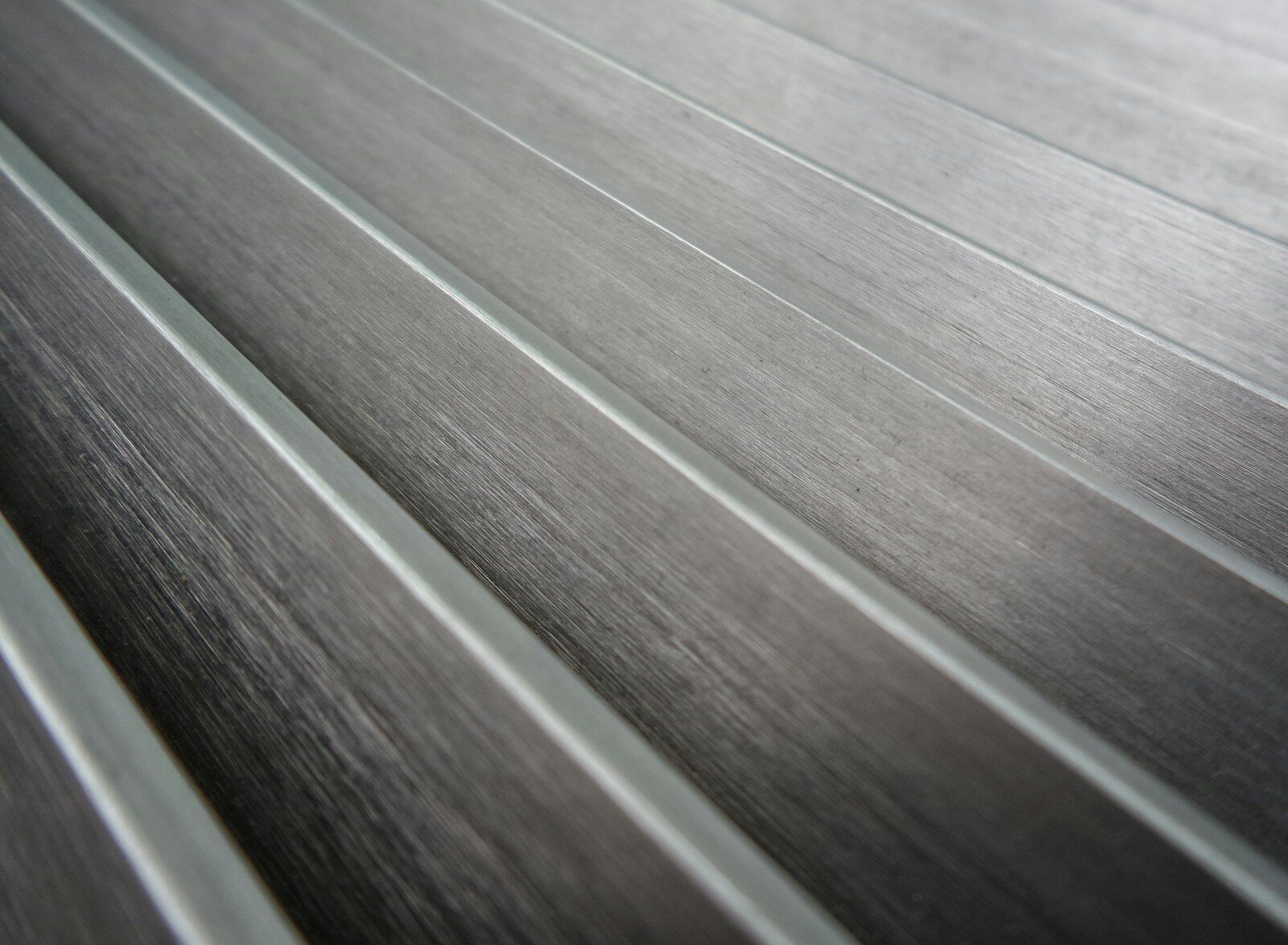
Wood-look finishes have advanced to the point where they’re difficult to tell apart from real cedar or pine at a glance, without the rot risk or the recurring maintenance. Panels are available in traditional horizontal lap profiles, large modern flat panels, and custom bent details for curved or angled walls, so it’s no longer a one-look material. A closer look at the finish and profile range on a supplier’s aluminum siding page, for example https://familysiding.com/services/aluminum-siding/, is worth doing before settling on a style.
8. It Costs More Upfront Than Vinyl
This is the trade-off worth being honest about. Standard aluminum panels typically start somewhere in the mid-teens per square foot, with premium wood-look or large-format systems running noticeably higher. Vinyl is cheaper to install initially, but it doesn’t match aluminum’s dent resistance, fire performance, or realistic 40-year lifespan, so the comparison really comes down to how long you plan to own the home.
9. Repairs Are Usually Straightforward
If a panel does get damaged, aluminum’s modular design means a single section can often be replaced without redoing an entire wall, provided an installer can match the existing finish. That’s a meaningfully easier fix than patching fibre cement or stucco.
10. Installation Is Quicker Than You’d Expect
Because the panels are lightweight and simple to cut on site, a full aluminum siding project on an average home is often completed in a matter of days rather than weeks, which keeps disruption to a minimum for anyone still living in the house during the work. It also means less time with exposed sheathing, which matters if the work happens to fall during an unpredictable stretch of weather.
11. Ask the Right Questions Before You Hire
Not every crew that installs vinyl is equally comfortable with metal siding, since the fastening tolerances and expansion gaps are less forgiving. Before signing a contract, it’s worth asking how the installer handles thermal movement, what warranty covers the factory finish versus the labour, and whether they can show recent local projects rather than stock photography. A contractor confident in the material usually answers those questions without hesitation.
Aluminum siding isn’t the flashiest option on the shelf, and it isn’t the cheapest either, but for homeowners who want something that will genuinely still look good in three or four decades with minimal fuss along the way, it’s hard to overlook. As with any exterior upgrade, the finish quality and the skill of the installer end up mattering just as much as the material itself, so it’s worth taking the time to compare a couple of quotes before committing.
About the Author