

Every autumn, somewhere around the second week the furnace runs properly, floors across Ontario start talking.
It is not imagination and it is not the house settling, a phrase that gets used to explain almost anything and explains almost nothing. It is humidity.
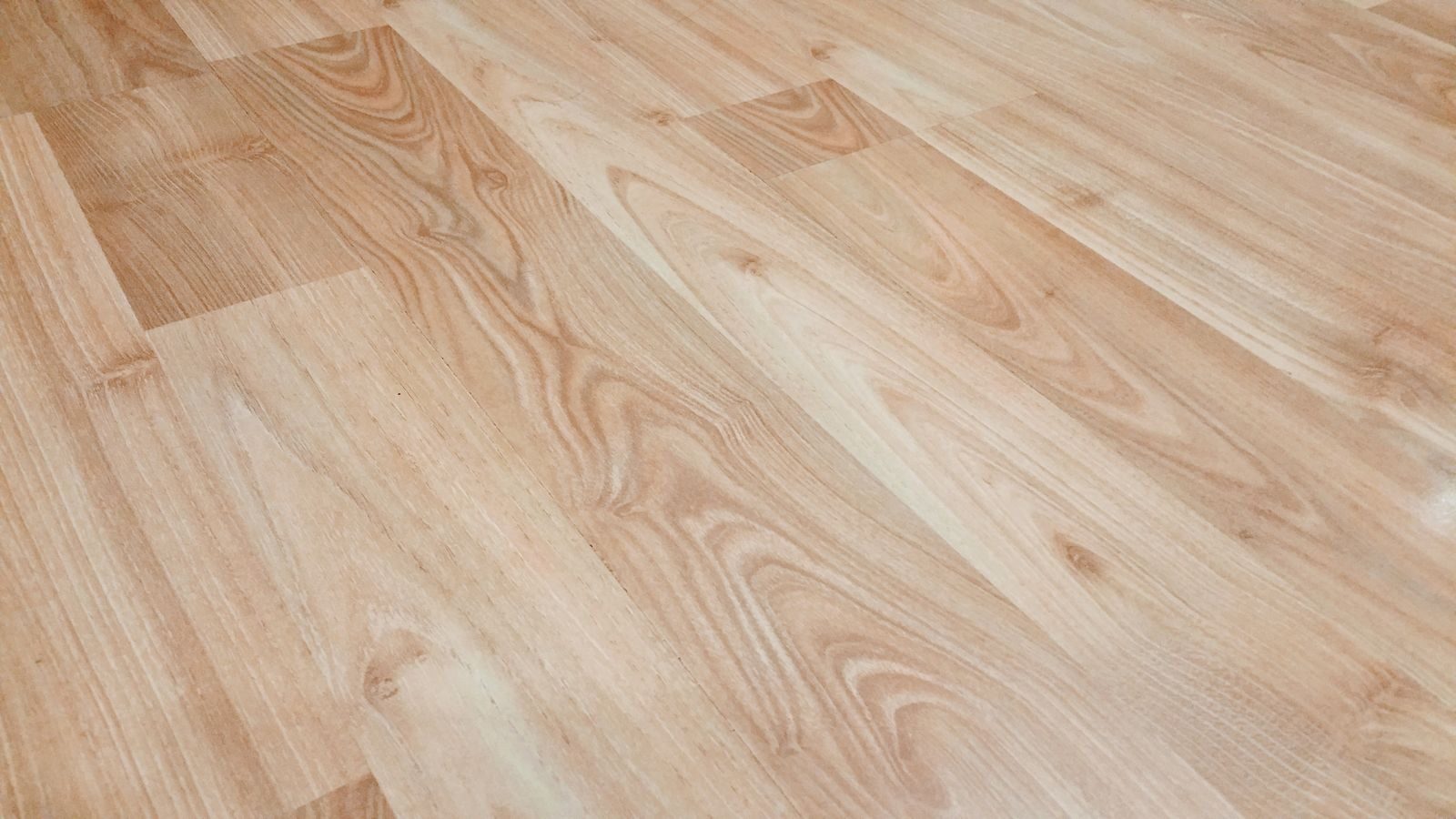
Wood is hygroscopic: it takes on moisture in humid weather and gives it up in dry weather, swelling and shrinking as it does. Once heating season starts, indoor relative humidity drops sharply, framing lumber and flooring both lose moisture, and small gaps open where there were none in August. A subfloor that was pressed tightly against its joists in summer now has a fraction of a millimetre to move in. Step on it and it moves, and something rubs.
That “something” is usually one of three things. The subfloor panel lifting slightly off the joist and dropping back. A nail sliding in and out of its hole as the panel flexes. Or two boards rubbing against each other along a seam.
SqueakyFloor, an Ontario company that works only on floor noise and floor repair, says the most common mistake homeowners make is going after the sound rather than the cause. The board that makes the noise is often not the board that is moving; it is simply the one that happens to rub. Face-screwing that plank into the joist can silence one spot and produce two new ones a foot away.
The company handles squeaky hardwood floor repair along with subfloor repair, stairs, laminate and vinyl, tile, repairs under existing carpet, and water-damaged floors. A complete list of what it repairs is on the squeaky floor repair services page.
Where the repair happens depends on what is above and below.
Fixing from underneath is the cleaner option when there is access, which usually means an unfinished basement or a crawl space. Working from the joist side, the gap between joist and subfloor can be closed with shims and adhesive, or the subfloor drawn down with screws, without touching the finished floor at all. Nothing is visible afterward because nothing was disturbed.
When there is a finished ceiling below, the work moves upstairs, through the finish floor, and the method depends on whether the surface is hardwood, engineered, laminate or carpet. Under carpet the repair is largely invisible, since the carpet is lifted and reset. Through hardwood, fasteners are set and filled.
Stairs are their own category and the most common complaint in the winter months, partly because a staircase has more moving parts than a floor and partly because everyone in a household uses it at the same times of day.
New builds are worth a separate mention. A squeak in a recently built home is not necessarily something the owner has to live with or pay to fix. Ontario’s new home warranty programme publishes construction performance guidelines that address floor squeaks, and depending on the age of the home and the severity of the noise, the builder may be responsible. Homeowners in new subdivisions are advised to check their warranty coverage before hiring anyone.
SqueakyFloor works across Ontario, including Ottawa, the Eastern Ontario counties and the Cornwall area, and says quotes are provided before work begins.
The company is based in Ottawa and can be reached at (343) 353-8706.
More information is available at SqueakyFloor.ca.
About the Author