

There is a moment in most Eastern Ontario winters when the difference between two houses on the same street becomes visible from the road. Snow falls overnight. By mid-morning one roof is clear and the neighbouring one is still white.
The clear roof is not the better-built house. It is the house losing heat through its ceiling.
Attics are the largest single heat-loss surface in most homes, for the straightforward reason that heat rises and the attic floor is the last barrier between a warm house and outdoor air. It is also, conveniently, the cheapest part of a building envelope to improve, because nothing has to be opened up to get at it.
The gap between what is up there and what is now expected is wide. Ontario’s Building Code supplementary standard SB-12 sets an R-60 target for attics in the Ottawa region. Houses built in the 1970s and 1980s were commonly insulated to somewhere between R-20 and R-32, and houses older than that were often insulated to nothing in particular. Material also settles and compresses over decades, so an attic that met the standard of its day may not even meet that now.
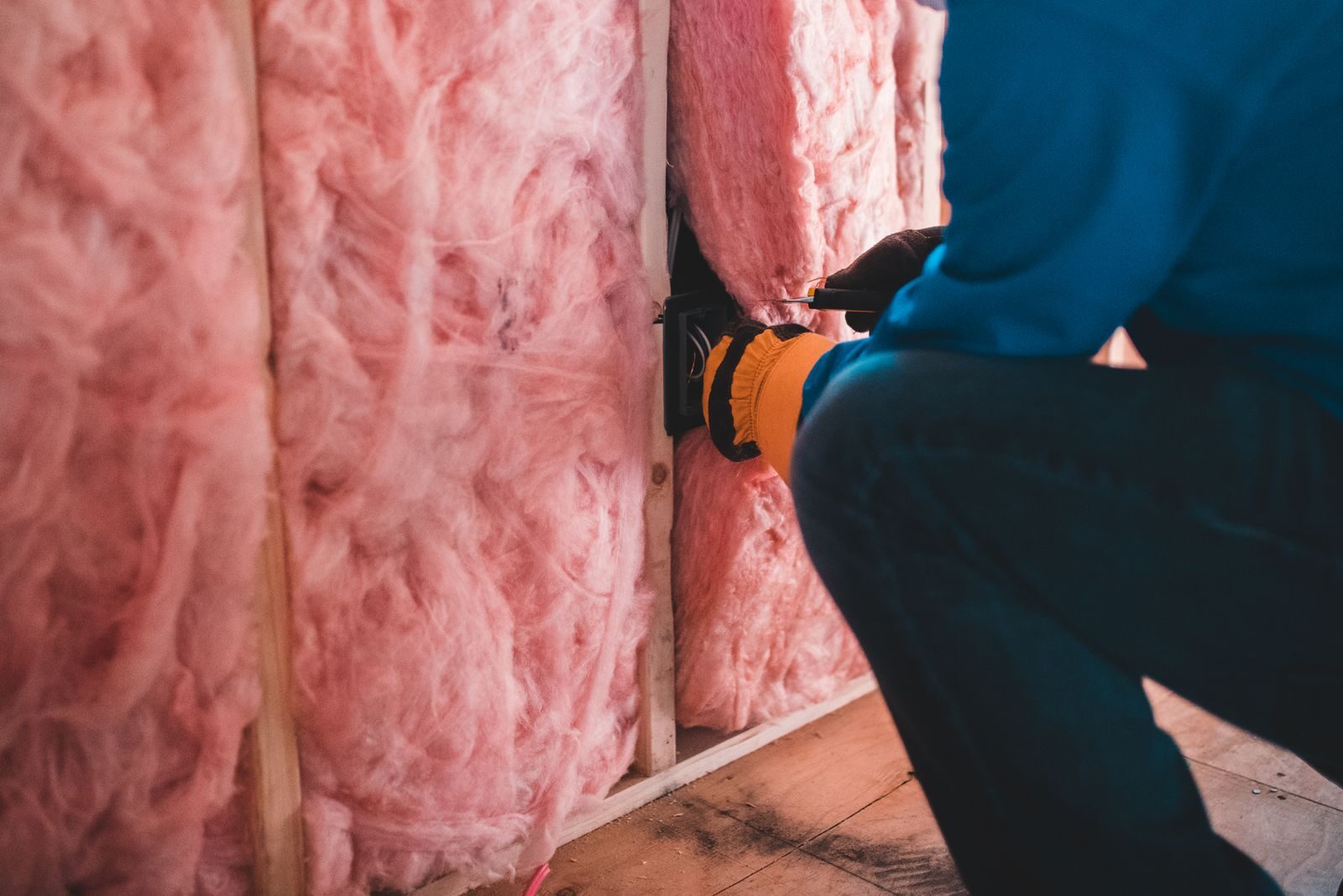
Pro Insulation Ottawa, which works across Ottawa and the surrounding Eastern Ontario region, provides attic insulation installation using blown-in cellulose or fibreglass, along with top-ups, spray foam, basement and crawl space insulation, rim joist work, vapour barriers and insulation removal. A complete list sits on the company’s services page.
The company says the step people skip is the one that matters most.
Insulation slows heat conduction. It does very little about air moving through gaps, and attics are full of gaps: the hatch, plumbing stacks, recessed light housings, the top plates of interior walls, bathroom fan ducts. Air escaping through those openings bypasses insulation entirely, no matter how deep it is. Blowing new material over an unsealed attic floor is insulating around the problem rather than through it.
Air sealing first, then insulating, is the sequence. It is also why two quotes for the same attic can differ substantially.
Ventilation is the second thing to ask about. An attic needs to stay cold and it needs to breathe, which means soffit vents must remain clear once loose material is blown in. Baffles at the eaves are what keep the airflow path open. An attic insulated without them can end up with blocked soffits, trapped moisture, and frost forming on the underside of the roof deck in midwinter, which is a considerably worse outcome than the original heat loss.
The payoff is not only the heating bill. Ice damming at the eaves is a direct consequence of attic heat loss, and homeowners who have paid for the resulting water damage twice tend to find the insulation conversation more compelling the third time.
The company reports blown-in attic insulation running roughly $1.50 to $3.00 per square foot depending on attic size, access and existing depth, and says most single-family attics are completed in a day. Pricing is confirmed in writing after an on-site assessment that measures existing depth rather than estimating it.
Pro Insulation Ottawa works by appointment across Ottawa and Eastern Ontario, and can be reached at (343) 459-3623.
More information is available at ProInsulationOttawa.ca.
About the Author