


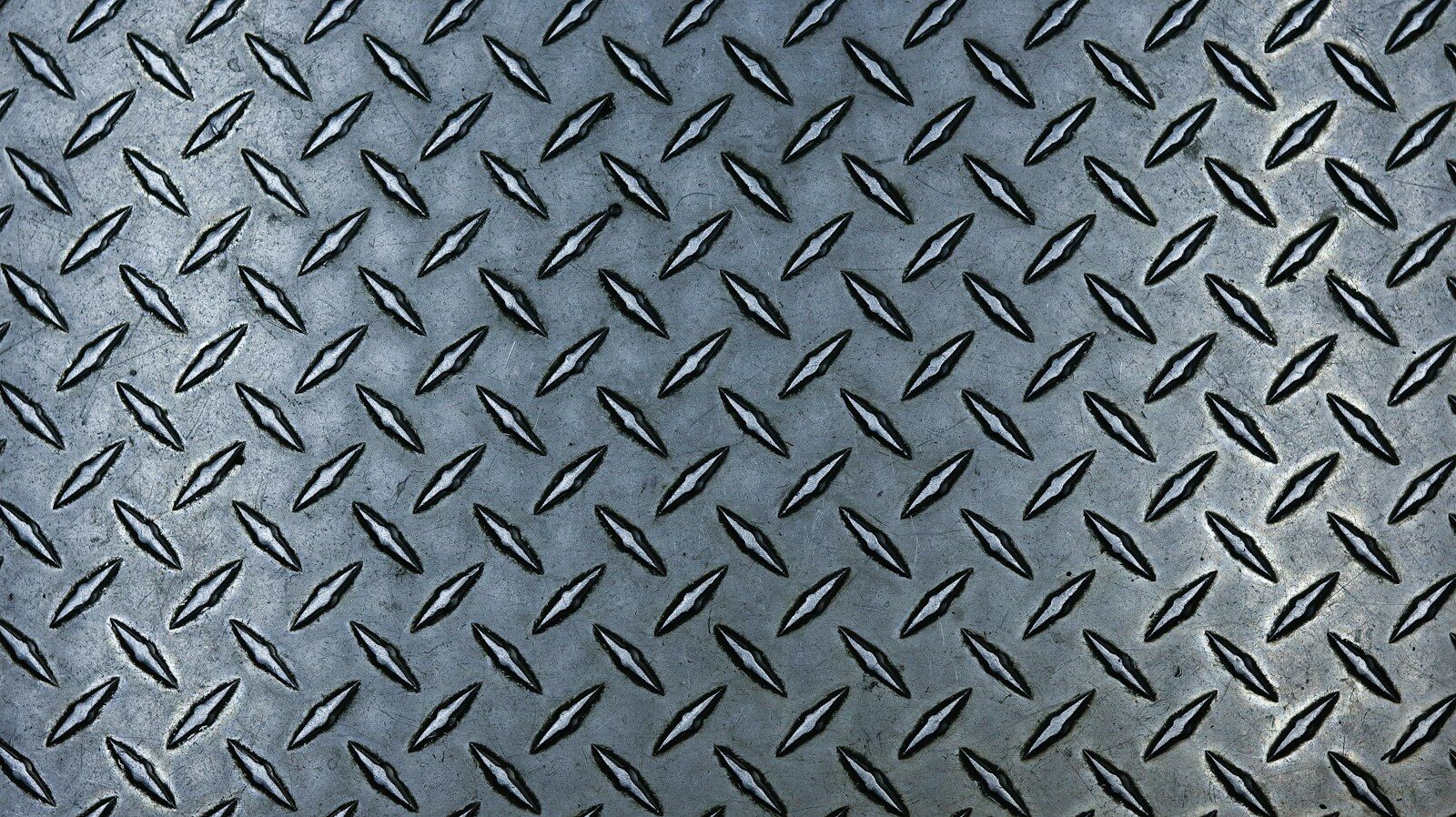
The installation of metal panels is one of the essential procedures in the construction of commercial buildings; however, the speed at which this process can be done differs from one case to another. This may depend on things such as proper preparation, right materials, proper measurement, coordination, among others. It is therefore important for construction teams to have knowledge about this process.
Material Selection
The selection of a particular metal panel system may directly affect the efficiency of its installation. It is important to select panels based on the design of the building, structural needs, environmental conditions, and method of installation. Appropriate systems for a particular project may be more convenient for crew installation. It is also important to take into account such characteristics of panels as size, connection, accessories, and finishing requirements when installing them.
Material handling is another factor that may affect productivity. Panels should be delivered in a way that will allow them to be conveniently moved across the job site. The right material handling may help prevent any damages which will result in extra work. In cases where insulated metal roofing is used in the project, delivery coordination with the installation schedule may reduce the time materials are taking space on the job site.
Project Planning
Proper planning offers a great start for the installation process. Before starting work, it is necessary to have exact measurements, proper drawings, installation requirements, and realistic schedules. Having the number and sizes of the panels determined in advance will help avoid interruptions related to wrong material delivery. When the process sequence is predetermined before crews come to site, workers will not spend their time solving the problems which could be avoided beforehand.
Another key element of successful installation of the metal panels is cooperation with other processes of construction. The metal panels can be installed together with the insulation, framing, windows, doors, flashing, and other elements of the building enclosure. Problems of one process can influence another process, which is why communication should be maintained during the whole construction process. For instance, the process of installing insulated metal panels requires good cooperation of framing and exterior installation crews.
Site Conditions
Conditions at the job site will also have a major influence on the speed of installation. For example, the weather, working area at the site, access to the building, and condition of the supporting structure will define the efficiency of the work carried out. If it is very windy and rainy, the process of installation should be put on hold until the situation changes, especially if large panels are involved in the procedure.
Condition of the substrate is another crucial factor that should be considered. In other words, walls and other parts of the structure need to be prepared properly before the installation of panels begins. Problems like uneven surface or wrong framing, as well as the presence of certain structural issues, can lead to fitting problems and will require some corrections to be made during the installation procedure.
Crew Coordination
Experience teams can help to increase installation efficiency through an awareness of the specifications for the chosen panel systems and an effective installation procedure. Effective communication among the team members will ensure coordination of activities of lifting, positioning, fixing, and checking. Having the required tools and machinery ready beforehand will minimize disruptions and enable workers to focus on installing the panels.
Coordination is more essential in large-scale commercial installations where more than one crew could be operating at the same time. Supervisors can ensure that the teams remain productive by observing their progress and notifying them of any changes. Quality checks can help identify any installation problems early enough, thus minimizing the chances of having to undo a completed installation.
Quality Control
Efficiency should not lead to a reduction in the quality of installation. Quick measurement, fixing, positioning, or sealing may result in errors which will necessitate expensive fixes down the line. Setting up quality control measures in the process of installation ensures that errors can be identified early enough so that only limited areas are affected. This will help save on time and material in the overall process of construction.
Efficient installation procedures will ensure efficient performance in the future as well. It is necessary for the panels to be fixed in place correctly and installed with regard to the other building elements. When the crews work according to proven techniques and conduct inspections, then the whole project is more likely to meet all the requirements without major adjustments.
Installation efficiency for metal panels requires the consideration of a number of related elements, which include planning, choice of materials, site considerations, teamwork and quality control. The pre-installation and installation handling of these aspects may assist commercial construction crews to save time, avoid any rework and ensure consistent craftsmanship. A proper system enables workers to work effectively while at the same time ensuring durability of the structure.
About the Author

![6abe94394c84c[1]](https://theseeker.ca/wp-content/uploads/2026/10/6abe94394c84c1-150x150.webp)


![6abe94394c84c[1]](https://theseeker.ca/wp-content/uploads/2026/10/6abe94394c84c1-768x434.webp)