

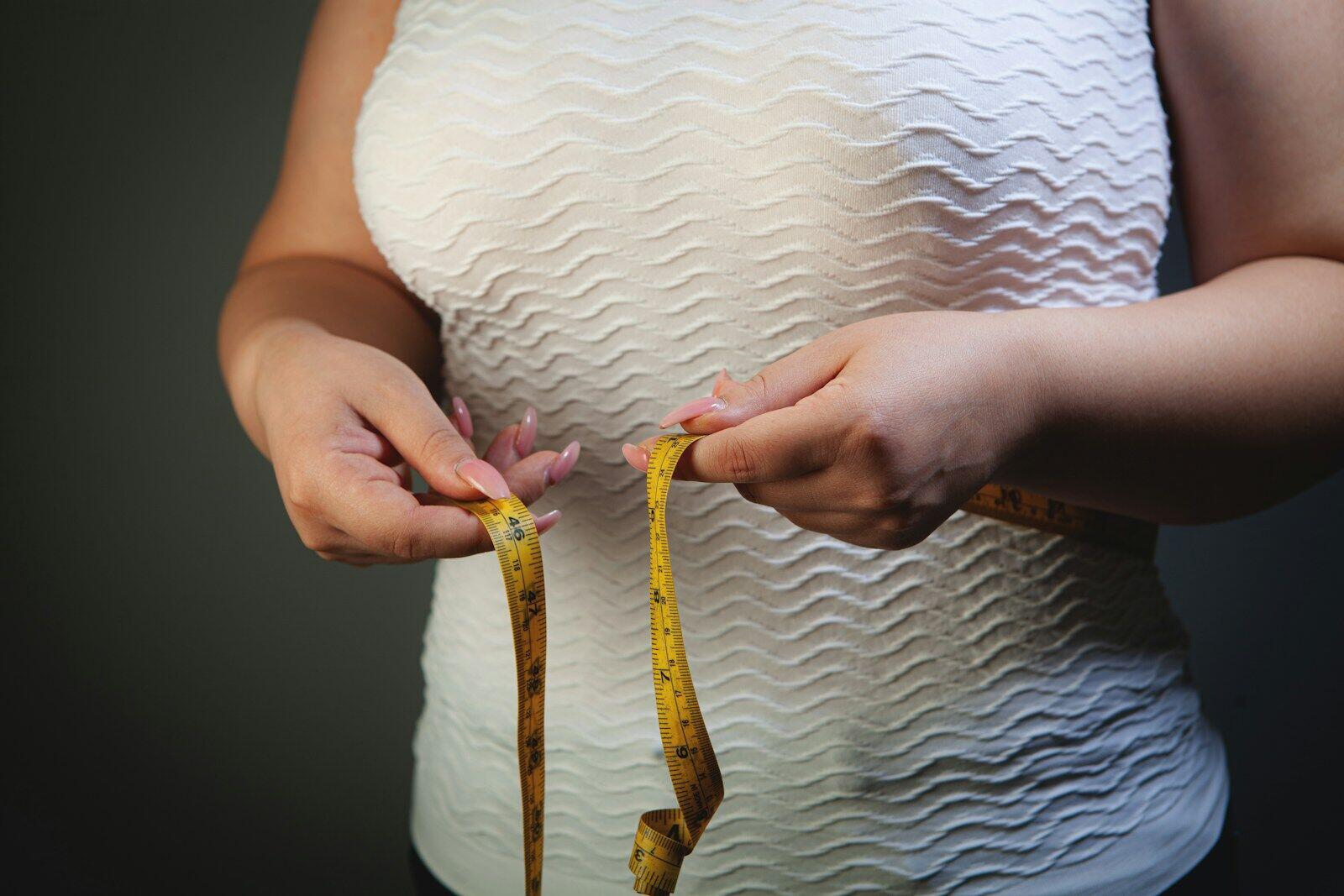
You eat well, you train several times a week and the scale moves in the right direction. Yet the lower belly, the love handles or the inner thighs look almost the same as they did months ago. This frustration is extremely common, and it has little to do with willpower. Fat does not behave the same way everywhere in the body. Understanding why certain areas resist your efforts helps you set realistic goals and recognize when a different approach makes sense.
Not All Fat Cells Respond the Same Way
Fat cells carry receptors that either encourage them to release stored energy or tell them to hold on to it. Areas like the hips, thighs and lower abdomen tend to have more of the receptors that resist fat release. That is why people who consult about liposuction often describe the same pattern: their face and arms slim down quickly while one or two zones barely change.
Blood flow plays a role as well. Stubborn areas usually receive less circulation, so the fat released there has a harder time reaching the muscles that would burn it. The result is a body that loses weight unevenly, even with a perfect routine.
Genetics Decide Where Fat Settles
Look at your parents and siblings and you will often find the same fat distribution. Some families store fat around the waist, others on the hips or under the chin. These patterns are largely inherited, and no workout program can rewrite them.
Genetics also influence how many fat cells you have in a given area. Weight loss shrinks fat cells but does not eliminate them, so a zone with a high number of cells keeps its shape even when each cell gets smaller.
Hormones Shift the Balance Over Time
Hormonal changes move fat around the body. Around menopause, falling estrogen levels push storage toward the abdomen. In men, lower testosterone with age has a similar effect. Chronic stress raises cortisol, which also favors fat around the midsection.
These shifts explain why a routine that kept you lean at 30 may stop working at 45. Adjusting sleep, stress management and strength training helps, but hormonal patterns rarely reverse completely.
Spot Reduction Remains a Myth
Hundreds of crunches will strengthen the abdominal muscles, but they will not burn the fat that sits on top of them. Studies on targeted exercise consistently show that the body draws energy from fat stores throughout the body, not from the area being worked.
Strength training still matters. Building muscle raises your daily energy use and improves body shape. It simply cannot choose which fat goes first.
Why Very Low Calorie Diets Backfire
Cutting calories drastically often leads to muscle loss, fatigue and a slower metabolism. The body adapts by holding on to its reserves, and stubborn areas are usually the last to give anything up. A moderate deficit combined with enough protein protects muscle and produces more lasting results.
What Lifestyle Changes Can Still Achieve
Consistent habits reduce overall fat, improve health markers and make stubborn areas smaller, even if they remain proportionally larger. Regular movement, adequate sleep and limited alcohol all support a healthier body composition.
The key is measuring progress fairly. Waist measurements, how clothes fit and energy levels tell a more complete story than focusing on the single area that resists change.
When a Medical Option Makes Sense
For people close to a healthy weight whose stubborn zones remain out of proportion, body contouring procedures can remove fat cells directly. Because the removed cells do not grow back, the improvement in shape is long lasting as long as weight stays stable.
These procedures are not a weight loss method. Good candidates have firm skin, realistic expectations and stable habits, and a qualified plastic surgeon will confirm whether the approach suits your body.
Setting Expectations You Can Live With
Accepting that some areas follow their own rules can be a relief. It removes the sense of failure that comes from doing everything right and still seeing the same silhouette.
From there, decisions become clearer. You can keep refining your habits, adjust your goals or explore medical options with accurate information instead of frustration driving the choice.
About the Author