

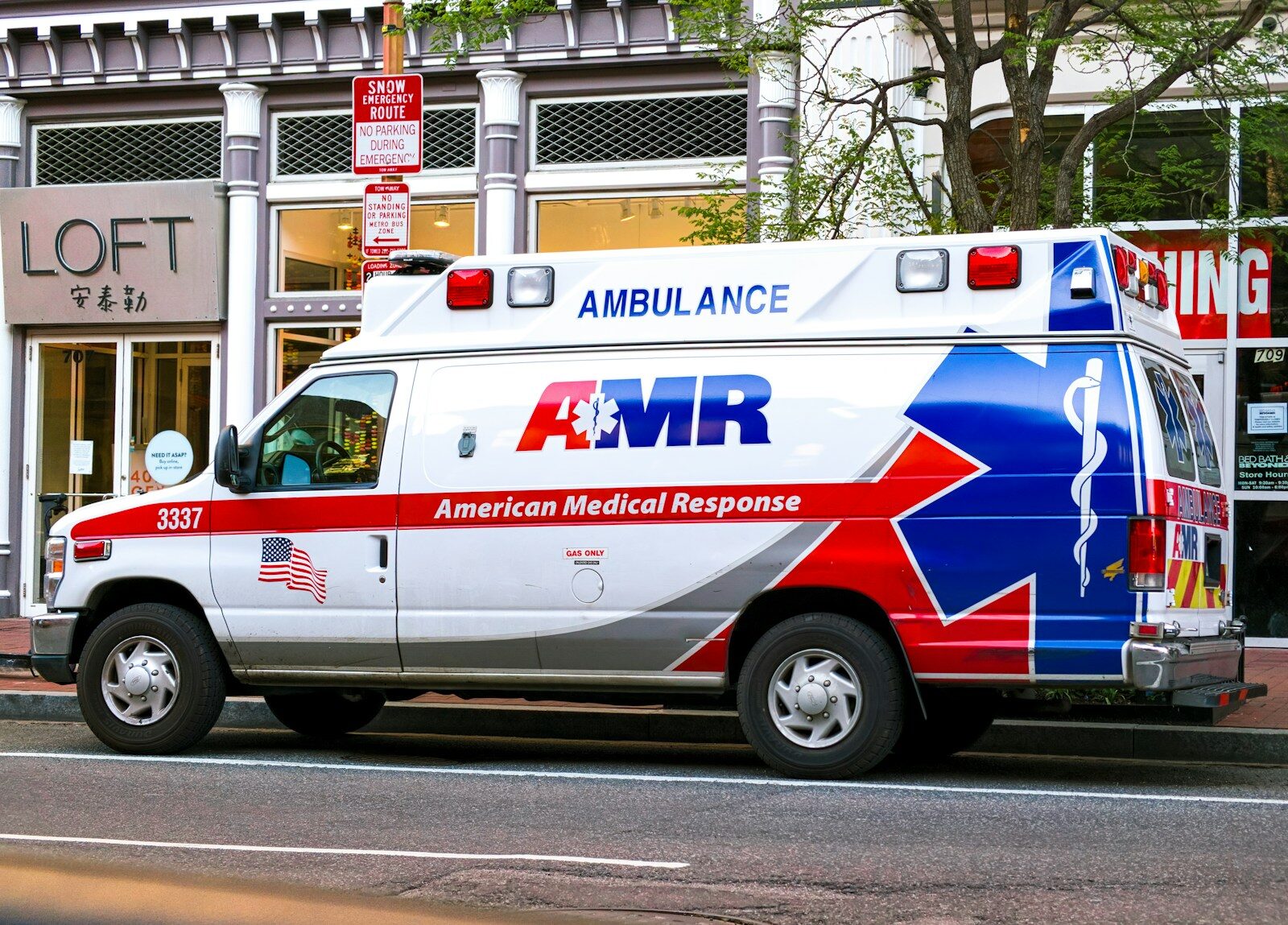
Every call an ambulance crew answers ends the same way: a person has to be moved. Sometimes that means lifting someone off a bathroom floor, sometimes guiding a patient down three flights of stairs, and sometimes transferring a fragile elderly person from a bed to a trolley without causing pain. The public rarely thinks about the gear that makes those moments safe, but for the services that buy it, choosing the right patient-handling equipment is one of the most important decisions they make. It affects patient safety, crew injury rates, and the smooth running of every shift.
This guide looks at how ambulance services, fire departments, and medical transport companies actually evaluate that equipment, and what separates a smart purchase from an expensive mistake.
Why patient-handling equipment deserves serious attention
Moving patients is the single biggest cause of injury among emergency crews. Backs, shoulders, and knees take a beating over a career, and a poorly chosen cot or a worn-out stair chair accelerates that wear dramatically. The equipment is not just a convenience. It is the barrier between a routine transfer and a dropped patient or an injured paramedic.
Because of that, services treat patient-handling gear as safety-critical equipment rather than ordinary supplies. The questions they ask are specific. How much does it weigh empty, and how much can it carry safely? How many moving parts can fail? How quickly can a crew learn to use it under pressure? A supplier that can answer those questions clearly, and back them with proper specifications, earns trust fast. Specialist suppliers such as Stretchers R Us focus on exactly this category, stocking professional cots, stair chairs, transfer boards, and the accessories that keep them working.
Weight capacity and the real-world load
The first number any buyer checks is weight capacity, and it matters more than people assume. A cot rated for 650 pounds and one rated for 700 pounds may look identical, but the higher rating gives crews a safety margin for heavier patients and for the equipment carried alongside them, such as oxygen cylinders and monitors.
Bariatric calls are increasingly common, and a service that cannot safely transport a larger patient faces both a clinical problem and a liability one. This is why many fleets now mix standard cots with higher-capacity models, and why used or refurbished high-capacity cots are a practical way to expand that capability without paying full new prices.
Powered versus manual cots
One of the biggest choices a service makes is between powered and manual cots. Manual cots are lighter, simpler, and cheaper to maintain, with fewer parts that can fail. Powered cots raise and lower hydraulically or electrically at the push of a button, which dramatically reduces the lifting strain on crews during loading and unloading.
The trade-off is cost, weight, and battery maintenance. A powered cot needs its batteries charged and its charging ports in good order, and it demands more training. Many services run a blended fleet, using powered cots on high-volume vehicles where the lifting savings add up quickly, and manual cots where budget or simplicity wins. The right answer depends on call volume, crew size, and how much the service wants to protect its people from cumulative strain.
Stairs, transfers, and the awkward spaces
A cot is only part of the picture. Plenty of patients are found in places a trolley cannot reach. Narrow hallways, spiral staircases, and upstairs apartments all demand different tools.
Evacuation stair chairs fold into a compact frame and let two crew members guide a patient down stairs in a controlled descent, often with tracked glides that take much of the effort out of each step. Transfer boards let a crew slide a patient from a bed or sofa onto the cot without a full lift, which protects both the patient’s dignity and the crew’s backs. These smaller items are easy to overlook in a budget, but they are exactly the pieces that determine whether a difficult call goes smoothly.
Securing the patient for the journey
Once a patient is on the cot and inside the vehicle, the cot itself has to be locked down. Cot fastening systems anchor the trolley to the floor and walls of the ambulance so that it cannot shift during braking, cornering, or a fast transfer to hospital. A loose cot in a moving vehicle is a serious danger to everyone on board, so fastening systems are not an optional extra. They are a core safety component, and they have to match the specific cot model in use.
New, used, or refurbished
Budgets are real, and not every service can buy everything new. This is where a specialist supplier becomes genuinely useful. Quality refurbished cots and chairs, inspected and restored to working condition, let smaller services and private transport companies access professional-grade equipment at a fraction of the new price. The key is buying from a source that understands the equipment, tests it properly, and can supply the right replacement parts, from ground wheels to wheel lock rebuild kits, so that a cot stays in service for years rather than becoming scrap after one fault.
Building a fleet that lasts
The smartest buyers think beyond the initial purchase. They consider parts availability, how easy repairs are, whether accessories are interchangeable across their fleet, and how simple the equipment is to clean and maintain between calls. Standardizing on a small number of proven models makes training easier and keeps spare parts simple. It is less glamorous than the newest feature, but it is what keeps vehicles on the road and crews confident in their gear.
Choosing patient-handling equipment well is really about respect, for the patients who deserve a safe transfer and for the crews who do this work every day. Get it right, and the equipment fades into the background, exactly as it should.
Frequently asked questions
What is the difference between a powered and a manual ambulance cot?
A manual cot is raised and lowered by the crew, making it lighter and simpler. A powered cot does the lifting mechanically, which reduces strain on crews but adds cost, weight, and battery maintenance. Many services use both.
Why does cot weight capacity matter so much?
A higher capacity gives crews a safety margin for heavier patients and for the equipment carried with them. Services increasingly keep higher-capacity and bariatric-rated cots to handle a wider range of calls safely.
Are refurbished stretchers and cots reliable?
Yes, when they come from a specialist that inspects, tests, and restores them properly and can supply replacement parts. Refurbished equipment is a practical way for smaller services to access professional-grade gear affordably.
What equipment is needed besides the cot itself?
Stair chairs for staircases, transfer boards for sliding patients between surfaces, cot fastening systems to secure the trolley in the vehicle, and accessories such as IV poles, oxygen backrests, and charging equipment for powered models.
Who buys this kind of professional patient-transport equipment?
Ambulance services, fire departments, clinics, and private medical transport companies, which source cots, chairs, boards, and parts from specialist suppliers rather than general retailers.
About the Author