
Travel plans can change without warning, leaving families, tourists, and business travellers unsure about their options. Learning the truth about delayed flight compensation starts with understanding what the law really says rather than relying on stories heard in queues or on social media. UK and European passenger-rights regulations provide structure, but misconceptions remain common.
Myth One: Payment happens automatically
- A frequent belief is that airlines will transfer money as soon as a disruption occurs. Most of the time, a passenger must actively submit a request. Carriers usually ask for documents, timelines, and booking details before assessing responsibility.
- If information is missing, the review may stall or be rejected. Administrative processes can also take weeks or months depending on complexity.
- Passengers may also forget that airlines handle thousands of files. Clear copies of tickets and communication help staff trace bookings. Without them, even valid situations can become harder to pursue within applicable limitation periods.
- Time limits also apply. Waiting too long may close the door even where responsibility appears clear. Checking eligibility early protects the opportunity to proceed.
- Airlines might ask for bank details, identification, or authority forms. Preparing these in advance speeds communication.
- Clear communication from the start can shorten review time and reduce misunderstandings.
Myth Two: Technical problems are always extraordinary
- Travellers are often told that a fault with the aircraft removes liability. Courts have repeatedly found that routine technical issues linked to normal operations may still fall within an airline’s control, depending on the circumstances.
- Only events that are genuinely outside day to day activity are likely to release the carrier. Determining the difference requires careful examination of evidence.
- Statements made at the gate sometimes simplify complex events. A crew might cite safety while engineers examine routine wear. Later reports may reveal circumstances that fall inside normal management.
- Airlines must demonstrate they used all reasonable measures. If alternatives existed, exemption might not stand. Passengers rarely see this analysis at the airport.
- Media reports sometimes blur categories, but legal evaluation remains case specific. Evidence from maintenance logs can become decisive.
- Complex terminology may hide practical realities faced by operations teams.
Myth Three: Departure time decides everything
- Many passengers watch the departure board and assume the clock starts there. Under established case law, the decisive moment is arrival at the final destination when at least one door opens.
- Because of this, a late take off might recover time in the air, while a modest departure delay could become significant by landing.
- Connecting itineraries create further misunderstanding. If the missed arrival affects onward plans, assessment still focuses on the booked final point. Separate tickets can change responsibility, which surprises many people.
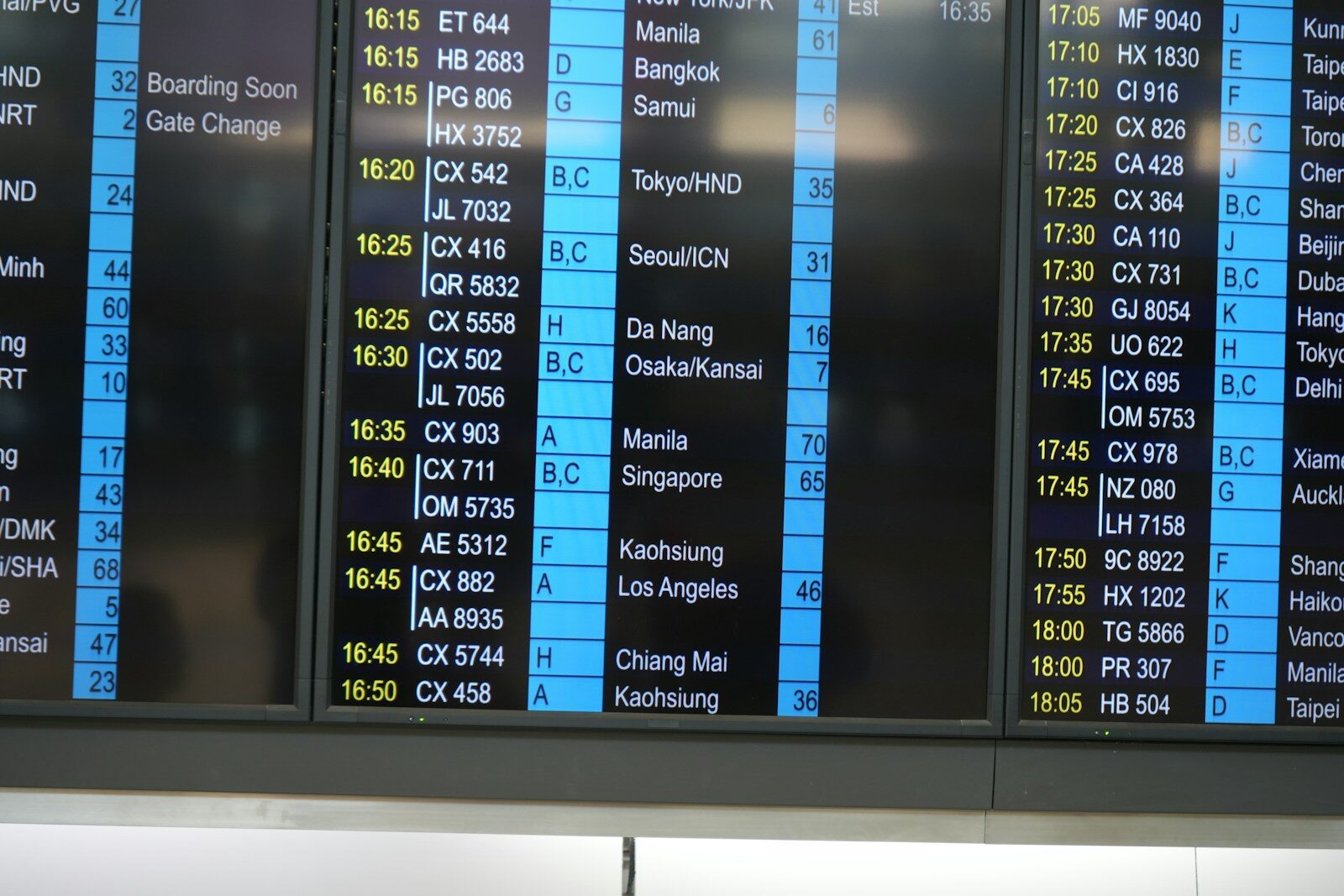
- Because travellers focus on departure boards, announcements can unintentionally mislead. Confirmation of landing time usually appears later in official data.
- Arrival time is legally recorded when at least one aircraft door is opened, not when the wheels touch the runway. Small distinctions like this influence outcomes.
- Checking independent trackers can help verify the sequence of events.
What travellers should confirm immediately
Good records are vital. Gathering them during the disruption is far easier than trying to recreate events later.
- Actual arrival time at the gate
- Boarding pass and ticket number
- Any written explanation provided
- Proof of extra spending
Photos of information screens and saved emails can support timelines. The more precise the record, the easier it becomes to evaluate options later.
Keeping notes of conversations may help clarify what assistance was offered. Polite requests often produce better results than confrontation.
Travellers who prepare a simple folder on their phone can respond quickly to later questions.
Requesting written notes politely can make staff more willing to assist.
How Skycop Will Help
Specialists can review documentation, correspond with airlines, and follow formal pathways if responses are slow. This saves time for passengers who would rather concentrate on work or family after travelling. Support is generally offered on a success-based model, so payment is linked to a positive result. Experts track legal developments and know which arguments commonly succeed. Their familiarity can prevent unnecessary escalation. They liaise with enforcement bodies and understand procedural requirements across jurisdictions.
Conclusion
Accurate knowledge reduces stress when schedules change. With documents in hand and realistic expectations, passengers can act decisively. If extra guidance is needed, Skycop offers structured help while travellers focus on completing their journeys on every future trip.
About the Author