

Selecting jewelry for piercings is frequently a visual process but weight is a significant factor. Various locations on the body possess different capacities for pressure. Ignoring these limits can result in physical discomfort, irritation or permanent tissue changes. Understanding the relationship between jewelry weight and anatomy helps maintain comfort and appearance, particularly when wearing body jewelry as a standard part of daily fashion.
Understanding Piercing Support Areas
Piercing locations are not identical in structure – weight must match the specific area. Earlobes consist of thick tissue and high blood flow, which allows them to support items with more mass. Cartilage areas, like the helix or tragus, are thin and rigid. Heavy jewelry in these locations creates strain on the tissue.
Pressure from excessive weight can cause a piercing to stretch or move from its original position – this is a primary concern for individuals who often wear large decorative pieces. Small amounts of weight create stress on the piercing channel over time. Understanding the support capacity of each location is necessary for long term comfort.
Effects of Excess Weight on Healing & Comfort
Piercings are sensitive to pressure while they heal – Heavy jewelry can delay recovery because it irritates the tissue and increases swelling. Lightweight designs are the standard recommendation for new piercings to avoid the issues.
Healed piercings are able to support more weight but comfort is still the priority. Constant downward pressure often causes soreness in active areas like the nose or ears – this is visible with nose rings, where even a slight increase in mass changes how the body jewelry rests against the skin.
Long Term Structural Impact on Piercings
Wearing jewelry that is too heavy can alter the shape of a piercing over many years. Earlobes may become longer, while cartilage piercings may shift or become crooked – these changes happen slowly and are usually impossible to reverse without medical intervention.
Micro-tearing within the piercing channel is another risk – Repeated strain weakens the tissue and makes the area more susceptible to irritation. Selecting jewelry with appropriate mass preserves the stability and appearance of the piercing.
Balancing Style with Practical Wearability
Fashion trends often feature large jewelry but these pieces are not always practical for every location. The goal is to balance visual preferences with physical limits. Metals with low density and hollow designs provide a large appearance without adding weight.
Comparing different piercing types is necessary when choosing jewelry. Items that are safe for a stretched earlobe are often unsuitable for facial piercings. Careful selection ensures that style does not interfere with comfort. Prioritizing wearability helps maintain a safe experience for all jewelry collections.
Choosing the Right Weight for Daily Use
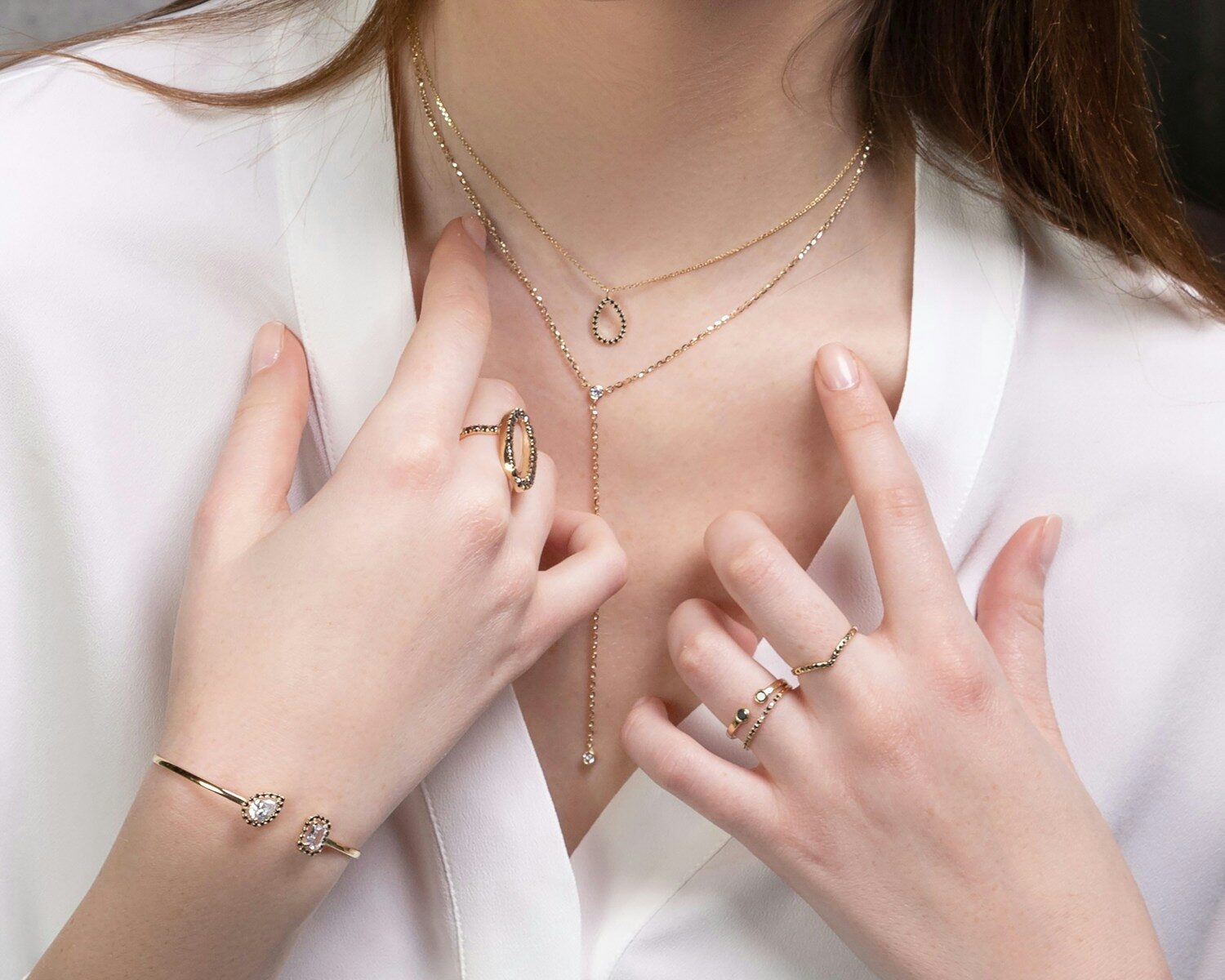
Lightweight jewelry is the most sustainable choice for daily wear. It minimizes pressure during movement and keeps the piercing stable during exercise or sleep – this is important for people who wear many pieces at once, as the total weight is a factor.
Heavier items are acceptable for short periods or special events – these pieces should not remain in the piercing for a long time if the site is not strong enough to support them. Rotating jewelry and monitoring the body’s reaction helps prevent problems. Fashion should improve appearance without harming the piercing site.
Material & Design Considerations
Material and structure determine the weight of jewelry – Titanium and surgical steel are common because they are durable and have low mass. Dense designs with large stones or solid metal shapes add strain to sensitive areas.
Design affects how weight is distributed across the piercing – Poorly balanced items create uneven pressure even if they are not heavy – this is a factor for dangling styles where movement increases the load on the tissue. Well balanced jewelry maintains comfort while allowing for personal expression.
Everyday Wear & Long Term Comfort
Daily habits influence how weight affects a piercing – Sleeping on one side or wearing headphones increases sensitivity when jewelry is heavy. Being mindful of these activities prevents irritation.Facial piercings require special attention because they move constantly. Lightweight nose rings lower the frequency of irritation during daily routines. Prioritizing comfort ensures that piercings remain sustainable and the surrounding tissue stays healthy.
About the Author