Walk into any conversation about the cost of living in Ontario and you’ll hear the same list: groceries, rent, insurance, and the creeping price of everything in between. What you’ll also hear, more and more often, is how people are fighting back — and one of the quietest but fastest-growing strategies is liquidation and open-box shopping.
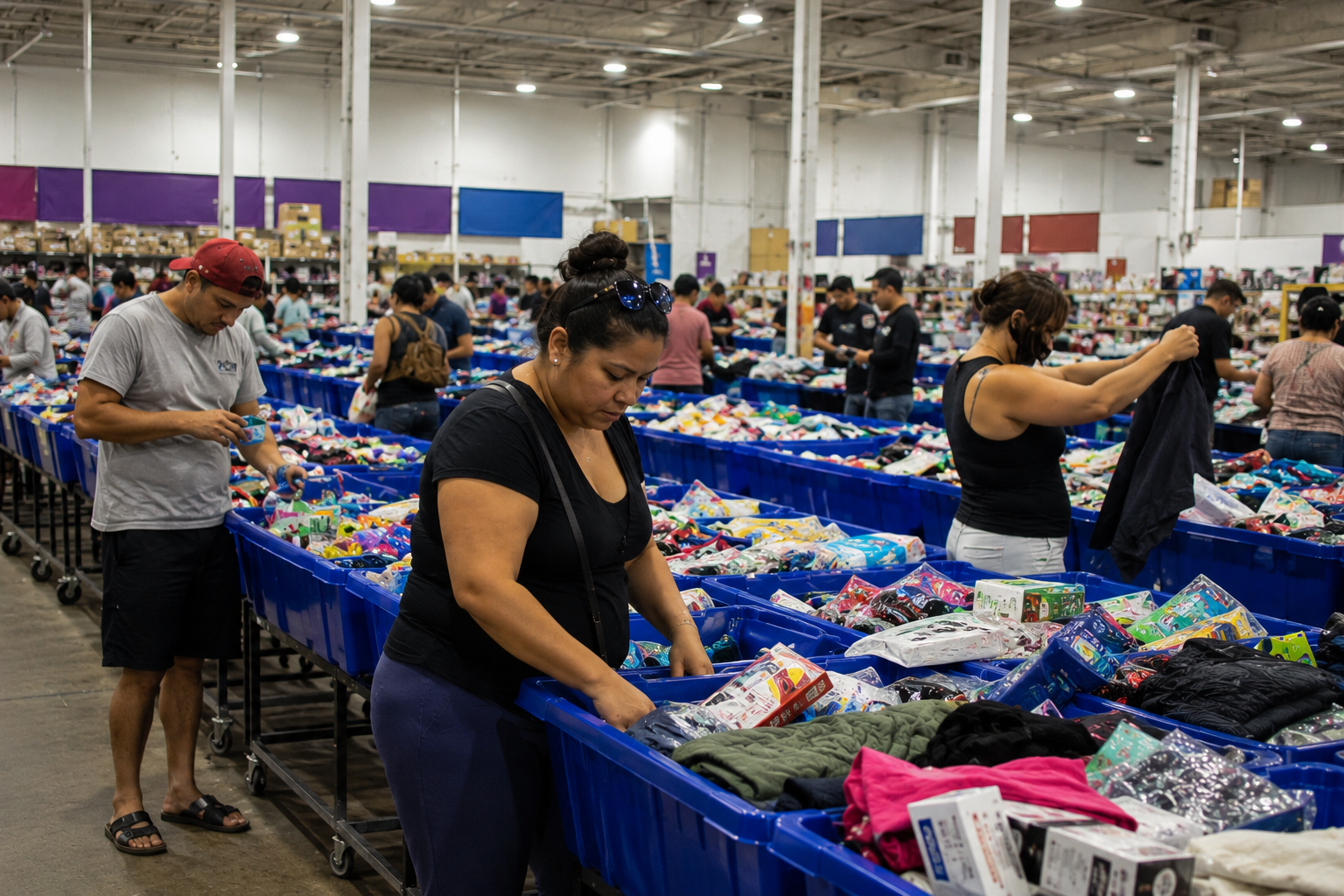
The concept is simple. Every year, online retailers process an enormous volume of returns — items sent back because of buyer’s remorse, duplicate gifts, wrong sizes, or a dented shipping box. Most of these products are perfectly functional, and many have never been used. Rather than restocking them as new, retailers sell this inventory in bulk to liquidation businesses, which inspect, grade, and resell the items at a fraction of the original price.
Ontario has become a hub for this second-chance economy. Toronto-based retailers like Half Price Store specialize in exactly this: open-box and overstock products — from kitchen appliances and vacuums to electronics and home goods — inspected, condition-graded, and sold at up to half of what the same item costs new, with shipping across the province and the country.
A different kind of bargain hunting
Unlike thrift shopping, liquidation retail isn’t about second-hand goods. The inventory is current-season product from major online marketplaces — the same brands and models sitting in full-price listings today. The discount comes from a technicality: once a box has been opened or a product returned, it legally can’t be sold as “new,” regardless of its actual condition.
For budget-conscious households, that technicality is an opportunity. A stand mixer with a torn outer box, a monitor returned because the buyer wanted a bigger one, an air purifier that was a duplicate wedding gift — all of it ends up priced 40–60% below retail.
What smart shoppers check first
The liquidation model rewards a little diligence. Experienced buyers look for retailers that publish clear condition grades for every item, offer a real return policy, show genuine customer reviews, and operate an actual location in Canada rather than drop-shipping from overseas. Those markers separate professional open-box retailers from fly-by-night resellers.
The environmental bonus
There’s another side to this story that resonates with a lot of families: returned merchandise that doesn’t find a second buyer often ends up liquidated for scrap or sent to landfill. Every open-box purchase is, in a small way, a diversion from that pipeline. Saving 50% and keeping a working appliance out of the waste stream is a rare case where the frugal choice and the responsible choice are the same one.
The bottom line
The stigma around returned goods is fading fast, and the math explains why. When the identical product costs half as much because someone else opened the box, paying full price starts to look like the strange choice. For Ontario households watching every dollar this year, the second-chance economy has quietly become one of the most practical tools in the budget kit.
About the Author