

How a ten-day experience at the Vipassana Centre in Montebello revealed surprising connections between ancient wisdom, modern science, and the remarkable capacity of the human spirit to change.
The road into the Montebello forest grows quieter with every kilometre, as though inviting visitors to leave behind not only the noise of the world—but also the noise within themselves.
Towering pines replace traffic and the constant distractions of everyday life. The sounds of the outside world gradually fade, giving way to birdsong, gentle breezes and a stillness that feels almost unfamiliar.
Nestled among more than 600 acres of peaceful forest in the foothills of Quebec’s Laurentian Mountains sits Dhamma Suttama, the Quebec Vipassana Meditation Centre. Welcoming approximately 150 meditators during every ten-day course, the Centre offers something increasingly rare in today’s world—complete silence.
People from every walk of life arrive here. Teachers. Nurses. Tradespeople. Business owners. Students. Retirees.
Each comes for a different reason.
Each begins the same journey.
Imagine spending ten days without a phone.
No television.
No books.
No music.
No conversation.
No eye contact.
No distractions.
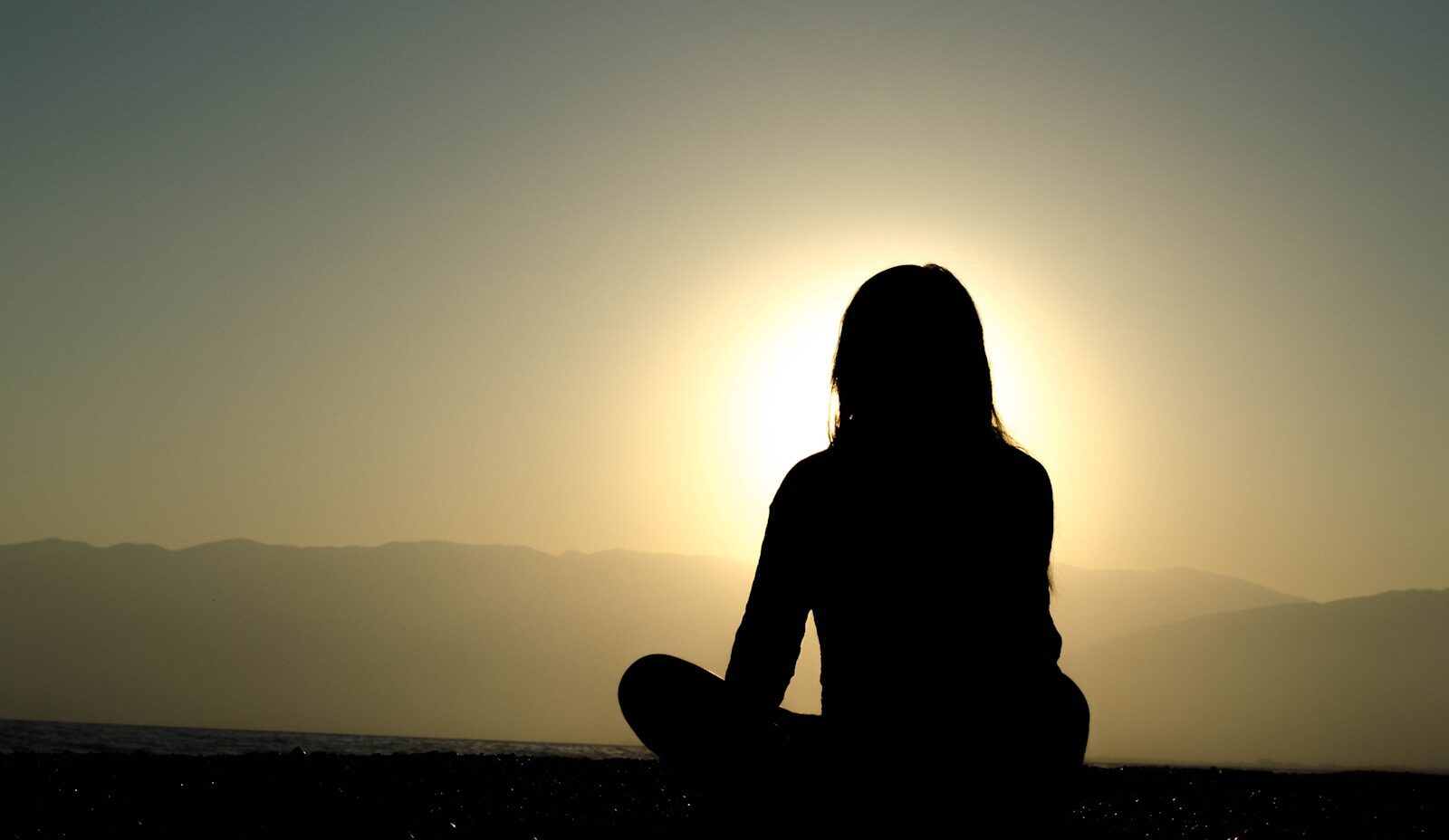
Just you, your thoughts, and a commitment to observe your mind with honesty and patience.
Why would anyone willingly choose such an experience?
That was the question I carried with me as I quietly walked through the doors of the Vipassana Centre, leaving the outside world behind.
A dear friend, Cynthia, had encouraged me to attend but refused to explain what awaited me.
“All I can tell you, Gerri,” she smiled, “is to go. For some, it is life-changing. Some even say miracles happen there.”
That was hardly an explanation.
But somehow it was enough.
Curious and skeptical, I completed the online application, agreed to the Centre’s Code of Discipline, packed my bags and headed toward Montebello on a cold snowy morning.
The accommodations were simple, warm and comfortable. Nourishing vegetarian meals, quiet forest paths and peaceful meditation halls created an environment where everything encouraged one purpose—to look inward.
The first days were devoted to calming what Buddhist teachers call the “monkey mind”—the endless stream of thoughts that constantly pull us from one moment to the next.
At first, the mind wandered everywhere.
It remembered, It planned, It worried, It judged, It resisted.
Then something unexpected happened.
By the fifth day, the restless mind began to surrender its constant chatter.
Awareness deepened.
What first felt like silence gradually became something else entirely—a journey inward.
One afternoon, sitting quietly in the meditation hall, I realized something profound.
Silence is not the absence of sound. It is the presence of everything we have been too busy to notice.
Thoughts.
Memories.
Dreams.
Long-forgotten emotions.
It was only when the noise outside disappeared that I became aware of the noise within.
Ten days later, I left Montebello without dramatic revelations or miraculous answers.
Instead, I carried home something quieter.
A calmer mind.
A deeper understanding of myself.
And one question that continued to follow me home.
Can people truly change?
As I began reading more about Vipassana, I discovered that this ancient meditation technique, meaning “to see things as they really are,” has been practised for more than 2,500 years. It teaches people to observe their breath and bodily sensations without immediately reacting to them—a practice surprisingly consistent with modern research into stress, emotional regulation and the nervous system.
Researchers including psychiatrist Dr. Bessel van der Kolk, author of The Body Keeps the Score, along with Dr. Peter Levine and Dr. Gabor Maté, have explored how overwhelming experiences can leave lasting effects on the brain and nervous system. While trauma is not literally stored in our cells, it can influence how we respond to life long after difficult experiences have passed. Their work suggests that learning to recognize and regulate these responses is an important part of healing.
Perhaps that helps explain one of the most remarkable chapters in Vipassana’s modern history.
In 1993, the practice was introduced into India’s notorious Tihar Jail by prison reformer Kiran Bedi. The transformation of many inmates became the subject of the award-winning documentary Doing Time, Doing Vipassana. Years later, a similar program at Alabama’s maximum-security Donaldson Correctional Facility inspired another acclaimed documentary, The Dhamma Brothers. While meditation did not erase past crimes, many participants described becoming less controlled by anger, more accountable for their actions and better able to face themselves honestly.
Whether in a prison or a peaceful forest retreat, the lesson seemed remarkably similar.
Change begins with awareness.
Today, Vipassana courses are offered in more than ninety countries and are supported entirely through voluntary donations from former students, making the teachings available regardless of financial circumstances.
As I drove away from Dhamma Suttama, the forest seemed somehow different.
The towering pines had not changed.
The winding road had not changed.
The silence had not changed.
I had.
Perhaps that is the quiet lesson Montebello offers every visitor.
The world does not always need to change before we do.
Sometimes the greatest transformation begins simply by learning to see things as they really are.
In a world filled with constant noise, distraction and division, perhaps the greatest journey is not the one that takes us farther from ourselves—but the one that quietly leads us home.
“May all beings be happy.”
About the Author