

Sore muscles can be a bothersome part of life. Whether you pushed yourself at the gym, tried a new sport, or did too much around the house, muscle soreness is common. The good news is you can ease this discomfort and support your body’s recovery. Knowing how to take care of sore muscles can help you get back to your routine quickly.
When your muscles are sore, they need some extra care. Ignoring the pain can lead to bigger problems. Instead of letting soreness stop you, let’s look at how to take care of your muscles and support your recovery.
Gentle Movement
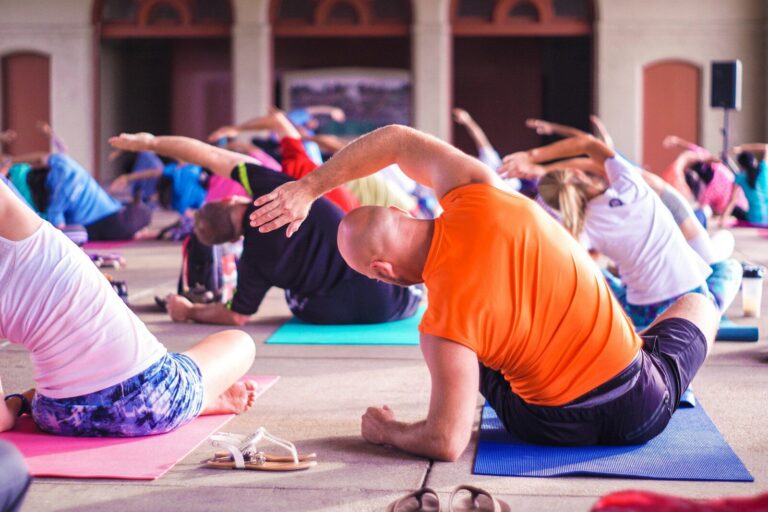
Rest is important for sore muscles, but complete rest can make things worse. Gentle movements, like stretching or light activities such as walking, can improve blood flow to your muscles. Better blood flow means more oxygen and nutrients, which help muscles heal.
A light stretching routine can relieve tightness and improve flexibility. Focus on slow movements that don’t strain your muscles. Yoga or tai chi are great choices. These activities stretch and relax your body, supporting your recovery.
Physiotherapy
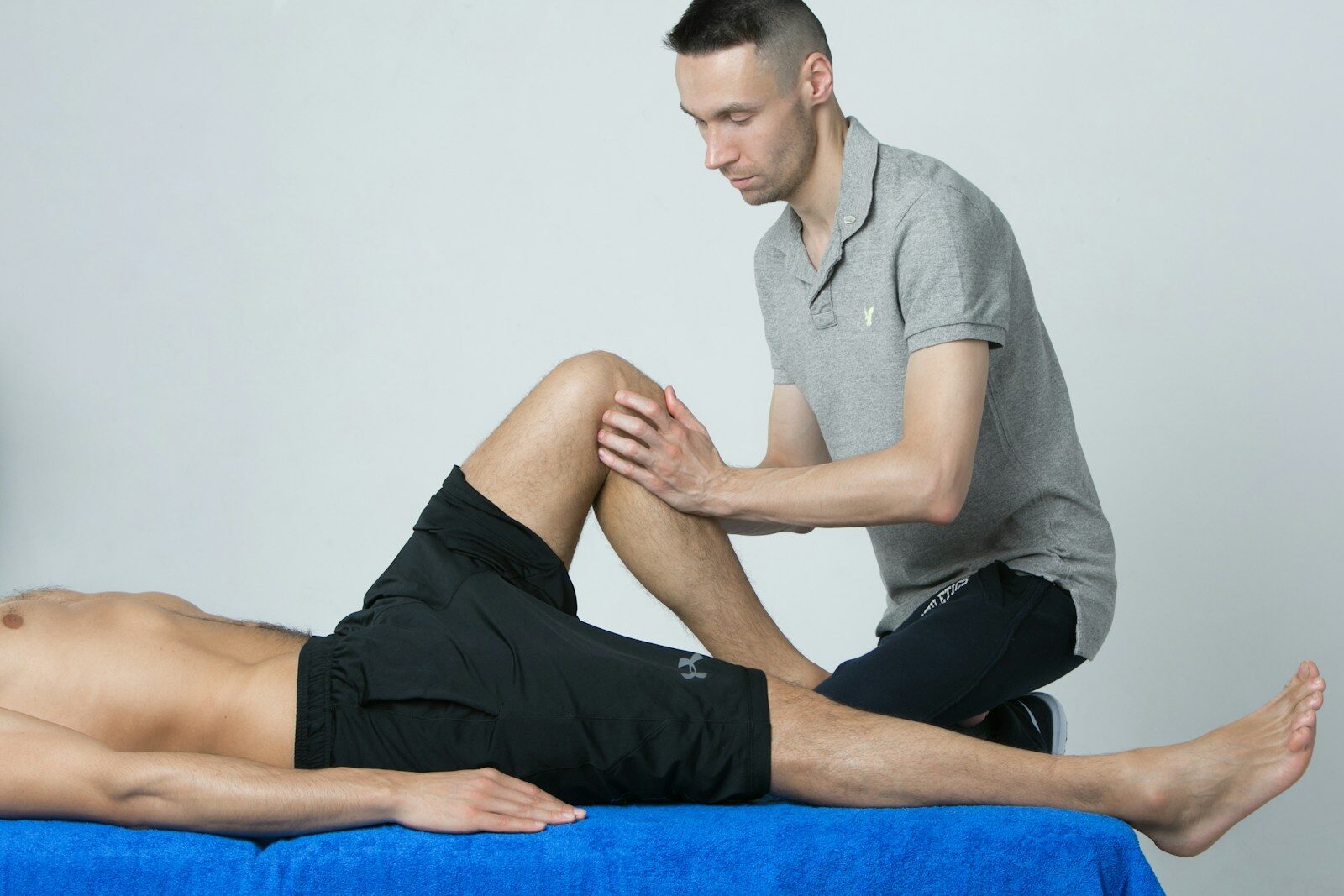
Physiotherapy North York is a great way to recover from sore muscles. A physiotherapist can assess your condition and create a personalized treatment plan. They can relieve pain, improve movement, and help prevent future injuries.
Physiotherapists often include exercises and stretches in their plans to help you regain strength and flexibility. Their guidance helps you understand your body, so you can perform activities safely and effectively. This proactive approach supports your recovery and helps you return to your favourite activities sooner.
Hydration
Staying hydrated is essential for muscle health. Water helps transport nutrients and can prevent cramping. Drink plenty of fluids before, during, and after exercise to reduce muscle soreness. If you sweat a lot, replenish your electrolytes with natural sources like coconut water or electrolyte drinks.
Aim to drink at least eight glasses of water a day, or more if you are very active. Keeping your muscles hydrated helps them recover and work well over time.
Nutritional Support
What you eat affects how your muscles feel. Eating a balanced diet with enough protein can help with recovery. Protein gives your muscles what they need to heal after tough workouts. Include lean meats, fish, eggs, beans, and nuts in your meals for a nutritional boost.
Fruits and vegetables with antioxidants can reduce inflammation and soreness. Foods like berries, cherries, spinach, and kale provide vitamins and minerals that aid recovery. Don’t forget healthy fats from sources like avocados and olive oil to help heal muscles.
Heat and Cold Therapy
Using heat or cold can help manage sore muscles. Cold therapy, like ice packs, reduces swelling and numbs pain. It’s especially useful in the first 24 to 48 hours after a workout. Apply an ice pack for 15-20 minutes to get relief.
Heat therapy can be beneficial after the swelling goes down. Warm baths, heating pads, or warm towels relax and soothe tight muscles. The warmth increases blood flow and helps reduce stiffness.
Chiropractor Benefits
Chiropractic care can help relieve muscle soreness. Chiropractors focus on the musculoskeletal system and use adjustments to reduce tension and improve body alignment. This can lessen muscle soreness and enhance overall function. They often include stretches and exercises to improve mobility.
Regular visits to a chiropractor can maintain muscle health, especially if you exercise frequently. A good chiropractor will create a personalized plan to help your body stay in top shape.
Rest and Recovery
It can be tempting to ignore muscle soreness, but rest is crucial. Your body needs time to heal, and pushing through pain can lead to more injuries. Listen to your body and let it recover. This can be as simple as taking a break or getting enough sleep.
Good sleep habits can also improve recovery. Try to keep a regular sleep schedule and build a calming bedtime routine. Proper rest can significantly speed up your muscle recovery. Caring for sore muscles means giving them time to heal. Gentle movement, staying hydrated, eating well, using heat and cold therapy, and getting help from physiotherapists and chiropractors all help relieve discomfort. By following a recovery routine that suits your needs, you can manage sore muscles and keep moving forward in your fitness journey. When soreness strikes again, you’ll be ready to handle it!
About the Author