


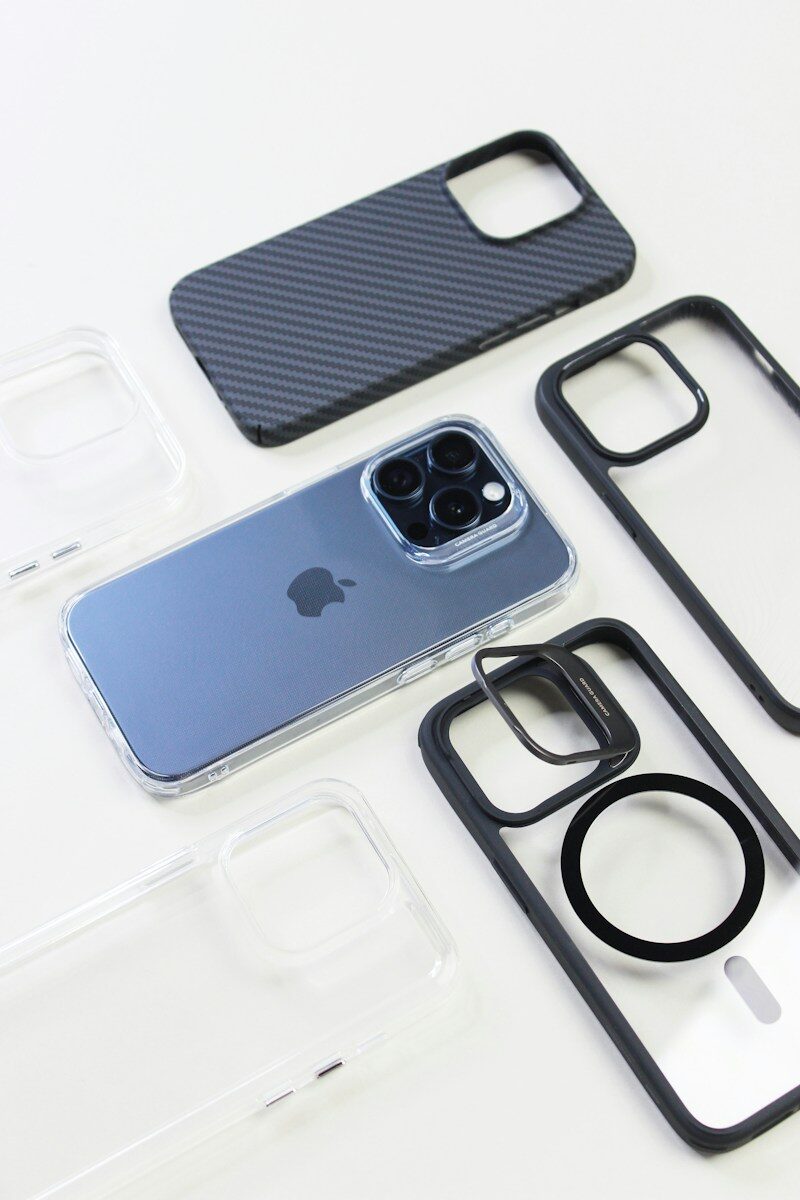
Your smartphone is one of your most valuable possessions. It holds your memories, your contacts, your work, and your daily life. Yet many of us carry these devices without much thought to protection, treating them as nearly indestructible. The reality is far different. A single drop from waist height can shatter a screen, and everyday wear and tear accumulates faster than most people realize. This is where the humble phone case becomes essential, not just as a practical accessory but as a genuine investment in your device’s longevity.
Phone cases have evolved significantly over the past decade. What once was a purely functional item has become a fashion statement and a reflection of personal style. Whether you’re looking for slim protection that barely adds bulk, rugged armor for outdoor adventures, or something that coordinates with your seasonal wardrobe, the options available today are far more diverse than they were just a few years ago. Some people even maintain multiple cases, swapping them out to match different moods or occasions. Others prefer a single reliable case that travels with them everywhere. Whatever your preference, understanding what makes a good phone case and how to choose one can save you money and frustration in the long run. When shopping, you’ll find everything from basic protective designs to specialized options like an iPhone Duo case that cater to specific phone models and user needs.
The Real Cost of Phone Damage
Most people don’t think about phone protection until something goes wrong. A cracked screen can cost anywhere from $100 to $300 to repair, depending on your phone model and whether you have insurance. Damage to the phone’s frame or internal components can push costs even higher. A quality phone case, by contrast, typically costs between $15 and $50. The math is simple: a small investment in a protective case can prevent hundreds of dollars in repair bills.
Beyond financial considerations, phone damage creates real inconvenience. A cracked screen is difficult to use, uncomfortable to hold, and potentially dangerous if glass shards are exposed. Damage to the charging port or buttons can render your phone partially unusable. Even minor cosmetic damage can diminish your phone’s resale value if you’re planning to upgrade in the future. These aren’t just abstract concerns; they’re practical problems that affect your daily life.
Understanding Different Case Types
Not all phone cases are created equal. Different designs offer different levels of protection and different aesthetic appeals. Slim cases prioritize minimal bulk and weight, making your phone feel almost as light as it would without a case. These are ideal for people who value portability and don’t want their phone to feel significantly heavier in their pocket or bag. However, slim cases typically offer less impact protection than thicker alternatives.
Protective or rugged cases, by contrast, use thicker materials and sometimes dual-layer construction to absorb impact energy. These cases are bulkier but offer substantially better protection against drops and impacts. They’re popular with people who work outdoors, travel frequently, or simply have a history of dropping their phones. Clear cases have become increasingly popular in recent years, allowing you to show off your phone’s original color and design while still providing protection. The downside is that clear cases can yellow or discolor over time with exposure to sunlight and oils from your skin.
Some cases incorporate additional features like built-in stands, card slots, or compatibility with magnetic accessories. These multifunctional designs appeal to people who want their case to do more than just protect their phone. Others prefer minimalist designs that focus purely on protection and aesthetics without extra features.
Choosing the Right Case for Your Lifestyle
Selecting a phone case should start with an honest assessment of your lifestyle and how you use your phone. If you spend most of your time in an office or at home, a slim case might be perfectly adequate. If you’re constantly on the move, hiking, traveling, or working in environments where your phone might encounter rough conditions, a more protective case makes sense. Consider how often you’ve dropped your phone in the past. If you’re someone with a track record of accidental drops, investing in a case with superior impact protection is worthwhile.
Your aesthetic preferences matter too. You’ll be looking at your phone case every day, so it should reflect your personal style. Whether you prefer minimalist designs, bold colors, patterns, or artistic prints, there are cases available to match virtually any taste. Some people view their phone case as an opportunity for self-expression and change their case seasonally or based on their mood. Others prefer a classic, timeless design that won’t feel dated in a year.
Maintaining Your Phone Case
A phone case is only effective if it remains in good condition. Over time, cases can accumulate dirt, dust, and debris that reduce their protective qualities. Periodically cleaning your case with a soft cloth and mild soap can help maintain its appearance and functionality. If your case has a clear design, you might notice discoloration or yellowing, which is a natural process but can be slowed by minimizing exposure to direct sunlight and heat.
Inspect your case regularly for signs of wear or damage. If the protective edges are cracked or the material is deteriorating, it’s time to replace it. A damaged case may not provide adequate protection in a fall. Similarly, if your case no longer fits your phone snugly or has become loose, it won’t absorb impact effectively.
When to Replace Your Case
Phone cases don’t last forever. Depending on the material and how heavily you use your phone, a case typically remains in good condition for one to three years. Signs that it’s time for a replacement include visible cracks or damage, discoloration that won’t clean off, reduced grip or fit, or simply wanting a change in style. Replacing your case periodically is a small expense that keeps your phone protected and allows you to refresh your device’s appearance.
Conclusion
Your phone deserves protection, and a quality case is the most straightforward way to provide it. By understanding the different types of cases available, assessing your own lifestyle and needs, and maintaining your case properly, you can keep your phone safe and looking good for years to come. Whether you prefer slim designs, rugged protection, or something in between, investing in the right case is an investment in your phone’s longevity and your own peace of mind.
About the Author





![6abe94394c84c[1]](https://theseeker.ca/wp-content/uploads/2026/10/6abe94394c84c1-768x434.webp)