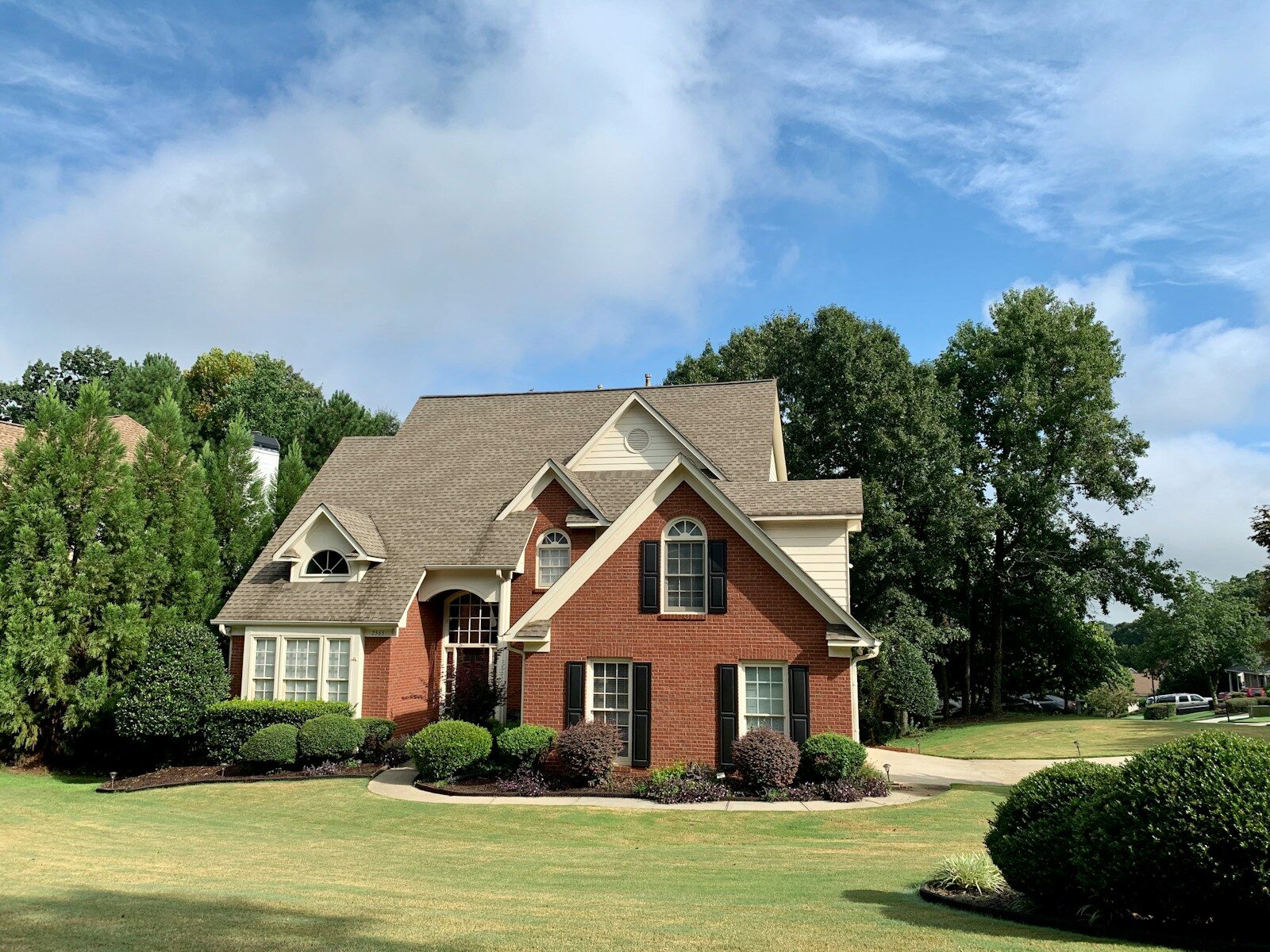
Moving into a new home can be very exciting. It starts a new chapter filled with personal touches, happy memories, and new opportunities. However, this excitement comes with many financial responsibilities. Whether you are buying a home for the first time or are new to real estate, understanding your finances will help you manage this transition better. Knowledge and planning are key and can greatly impact your experience as a homeowner.
Let’s look at how you can finance your new journey wisely.
Budgeting for Homeownership
Creating a budget is important as you become a homeowner. Your new home will have costs beyond just the monthly mortgage payment. Property taxes, homeowner insurance, maintenance, and utility bills can add up quickly. Knowing these costs ahead of time helps you get a clearer idea of what you can afford.
Start by adding your expected monthly income and subtracting any unavoidable expenses. This will show how much money you have left for mortgage payments and other home-related costs. It’s also smart to save an emergency fund for unexpected expenses. This cushion will give you peace of mind.
Working with a Mortgage Broker
Hiring a mortgage broker can make the financing process easier. These professionals help you find the best mortgage options for your financial situation and goals. Think of them as your guide through the many lenders and loan offers available. Brokers can access multiple lenders, giving you options that fit your needs.
The best part is that mortgage brokers work for you, not the banks. Their main goal is to secure the best financing deal for you. Their knowledge helps them avoid common mortgage issues, saving you time and stress. Working with a broker simplifies your loan search and gives you a helpful ally throughout your journey.
Understanding Mortgage Rates
Mortgage rates are crucial to your home financing. These rates change based on factors such as the economy, lender policies, and your credit score. A lower rate can lower your monthly payments and the total interest you pay over the life of the loan. Watching market trends can help you make better decisions.
When looking for mortgages, consider options like fixed-rate and adjustable-rate mortgages. Each type has benefits based on your financial situation and how long you plan to live in your home. For example, fixed-rate mortgages keep your payments stable throughout the loan, while adjustable rates start lower but can change over time. Choosing the right option helps you stay within your financial comfort zone.
Down Payment Strategy
Saving for a down payment is often a big challenge for new homeowners. It doesn’t have to feel overwhelming. Start by setting a clear savings goal and a timeline. Many first-time homebuyers aim for a down payment of at least 20% of the home’s price, but some options require much less. Check out loan programs like FHA or VA loans that offer lower down payment choices.
You can also use smart saving tips to grow your down payment. Open a dedicated savings account or choose a high-yield savings account to earn interest. Making small lifestyle changes or cutting back on unnecessary spending can help you save more. Taking these steps will bring you closer to your goal.
Homeownership Insurance Considerations
Getting the right insurance coverage is vital when you own a home. Homeownership insurance protects your property and belongings from damage and loss. Review different policies to find coverage that fits your needs. Factors like where you live and the value of your items will affect how much insurance you need.
Take time to compare quotes from different insurers to find good coverage at a fair price. Also, ask about discounts if you bundle your home insurance with auto insurance. Combining policies can save you money over time.
Financial Planning for Maintenance
Don’t overlook budgeting for home maintenance. All homeowners face occasional repairs and upgrades. Set aside money for these expenses to avoid financial stress when something breaks. Planning for maintenance helps you keep your home in good shape and increases its value over time.
Make a list of possible repairs and upgrades to help you prioritize how to spend your money. Whether it’s a new roof or minor plumbing work, managing these costs ahead of time means you won’t have to scramble for cash when they come up.
In homeownership, knowledge is essential. By following these practical tips and staying informed, new homeowners can manage their finances better. With careful planning today, you can enjoy your new home even more than you expected!
About the Author