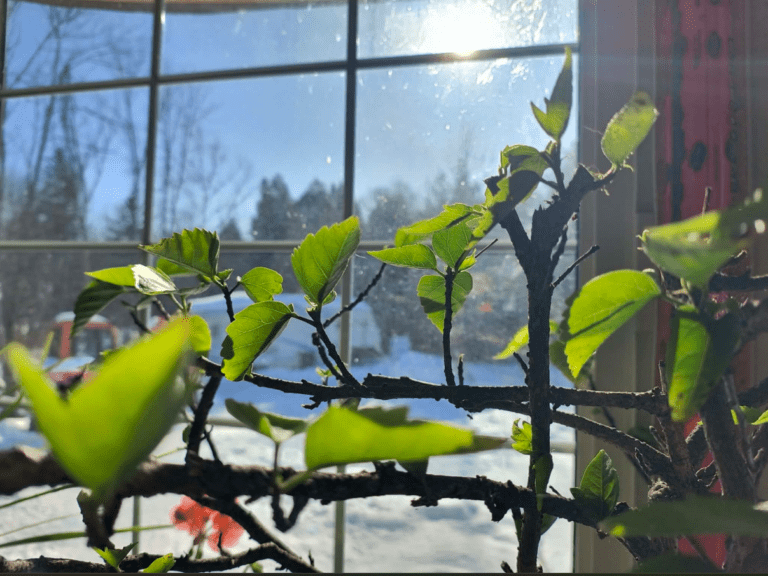
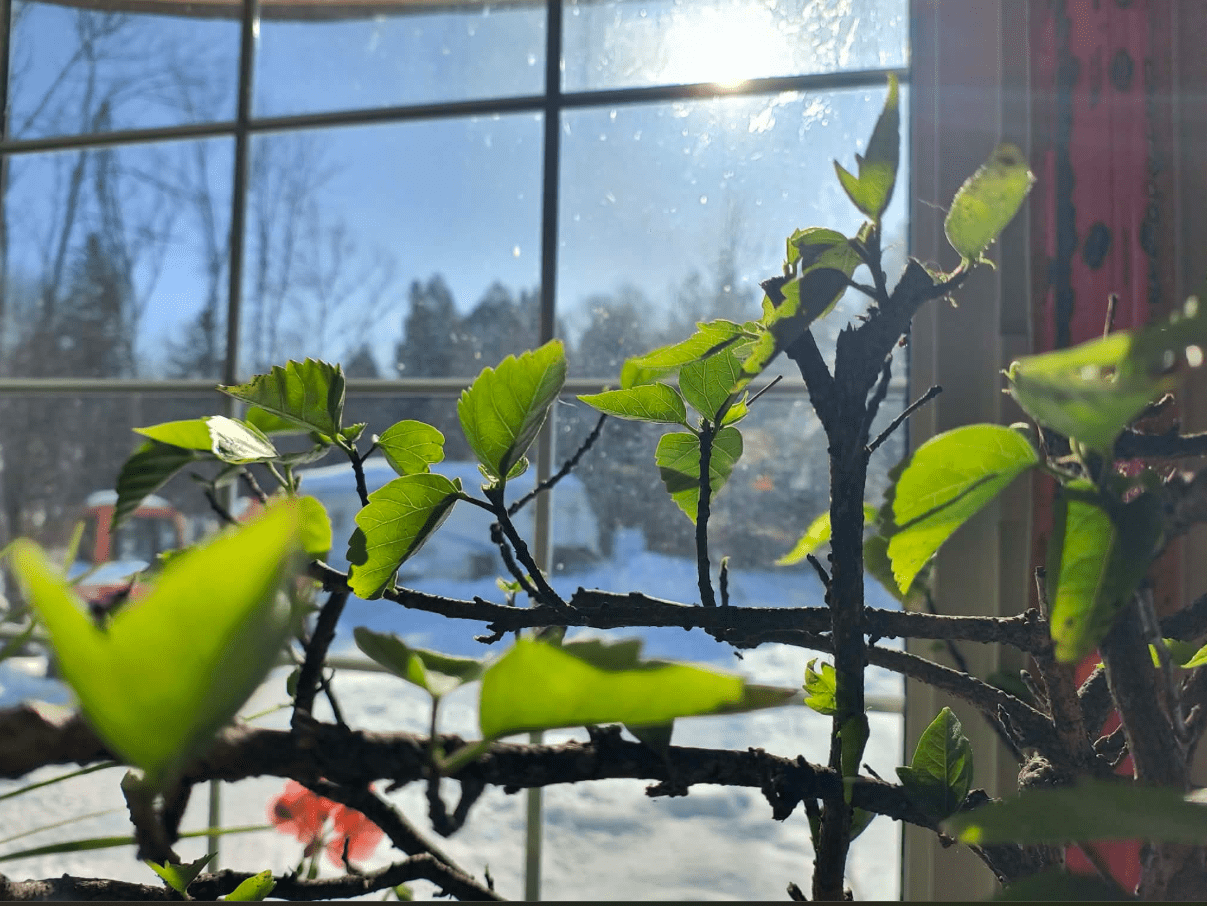
Happy March everyone! We’re back with another Ask Anna your Gardening questions! This month we are answering “Are Coffee Grounds Good for My 12-Year-Old Hibiscus? I recently pruned my 12- year-old hibiscus for the first time. It had become scraggly and leggy over the years, and now I’m wondering if coffee grounds would help it recover and thrive. Should I mix them into the soil, or just place them around the base?”
First of all — well done for pruning! Hibiscus can become woody and sparse with age, especially if they haven’t been trimmed regularly. A thoughtful pruning often feels dramatic, but it encourages stronger branching, fuller growth, and more blooms. Think of it as giving your plant a fresh start.
Now let’s talk coffee grounds. Used coffee grounds can be beneficial for hibiscus — but only when used correctly and in moderation. Hibiscus prefer rich, well-draining soil that is slightly acidic.
Used coffee grounds contain small amounts of nitrogen and organic matter, which can help improve soil structure over time. They also encourage beneficial soil microbes and earthworms, both of which contribute to healthier roots. However, coffee grounds are not a miracle fertilizer. They do not contain enough nutrients on their own to feed a flowering shrub like hibiscus. If applied improperly, they can actually do more harm than good. Fresh (unused) coffee grounds are quite acidic and should never be applied directly to plants. Even used grounds can compact if layered too thickly, forming a dense mat that blocks air and water from reaching the roots.
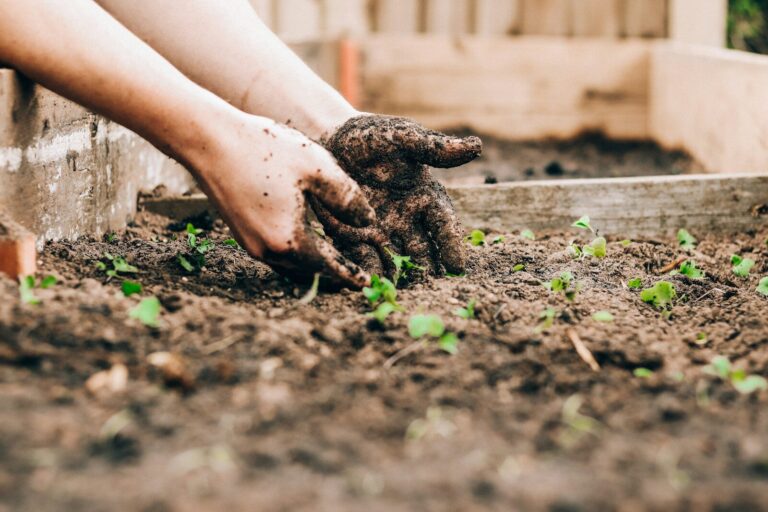
Here’s the best way to use them: Only use used coffee grounds – not fresh. Apply a thin layer — no more than half an inch. Keep the grounds a few inches away from the trunk. Lightly mix them into the top layer of soil rather than leaving them sitting on the surface. For best results, mix coffee grounds with compost, shredded leaves, or garden soil before applying. Composting first is ideal. Once broken down in a compost pile, coffee grounds become part of a balanced soil amendment that is much safer and more beneficial for long-term plant health.
Since you’ve just pruned your hibiscus, it’s now entering an important recovery phase. The plant will focus its energy on producing fresh shoots and leaves. This is when balanced nutrition matters most.
Along with modest use of coffee grounds, consider adding compost, well-rotted manure, or a balanced slow-release fertilizer in early spring. Water deeply but avoid over-watering, especially if your soil is heavy. Hibiscus appreciate moisture, but they dislike sitting in soggy conditions.
In short, coffee grounds can be a helpful soil conditioner — but think of them as a supplement, not the main meal. Used wisely, they can support healthy soil and steady growth. After 12 years, your hibiscus has proven it’s resilience. With pruning, proper feeding, and a little patience, it should reward you with fuller foliage and beautiful blooms in the seasons ahead.
If you have gardening questions or need advice, feel free to reach out! You can send your questions to me at [email protected] with the subject line “Ask Anna,” and I’ll happily feature your questions in next month’s NewsMagazine.
Stop by Harvest in Cornwall at 2405 Vincent Massey Drive and also 75 Cornwall Centre Road to pick up your copy of the SDG&A Cornwall Seeker each month.
About the Author