Understanding hair is the first step to great styling. A hair porosity test helps salons know how hair absorbs moisture and products. This simple test can change how you treat your client’s hair. It helps you choose the right products and avoid damage, making every salon visit more effective and satisfying.
What is Hair Porosity and Why It Matters
Hair porosity is all about how well your hair absorbs and retains moisture. Understanding hair porosity is a key step in giving your hair the care it truly needs. Without this knowledge, even the best products or treatments may fall short. Visit a women’s hair salon near me to get personalized advice and the right care for your hair type.
Understanding Hair Porosity
Hair porosity depends on the structure of the hair cuticle, which is the outer layer of each strand. Think of it like tiny shingles on a roof. If the shingles are tight and flat, water and products have a harder time getting in. If they are raised or damaged, moisture can slip in quickly but may also escape just as fast. This is why knowing your hair’s porosity is so useful. It helps you pick the right products, styling methods, and treatments that will actually work for your hair type.
Types of Hair Porosity
There are generally three types of hair porosity: low, medium, and high. Low porosity hair resists water absorption, meaning it can stay dry even after washing. Medium or normal porosity hair absorbs and retains moisture easily, making it the easiest to manage.
High porosity hair soaks up water quickly but also loses moisture fast, which can lead to dryness and frizz. Identifying which type your client has ensures you provide the right care in your salon services.
Why Hair Porosity Matters in a Salon
For salons, testing hair porosity is a game-changer. It allows stylists to recommend the most effective products and treatments. For example, deep conditioners work best on high porosity hair, while lightweight moisturizers are better for low porosity hair.
By understanding hair porosity, salons can prevent damage, improve client satisfaction, and create customized care plans. Knowing hair porosity turns routine treatments into results that clients will notice and appreciate.
Tools You’ll Need for the Test
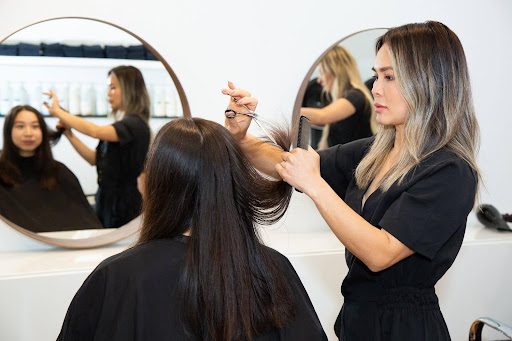
Before you can perform a hair porosity test, it’s important to gather the right tools. Using simple, easy-to-find items ensures the test is accurate and hassle-free. Knowing what you need helps your salon work efficiently while giving clients a professional experience.
Basic Items for a Hair Porosity Test
The first tool you need is a clean glass or clear cup filled with water. This allows you to see how the hair strand reacts; whether it floats, sinks slowly, or sinks quickly. A clear container makes it easy to observe the results without guessing.
Next, you’ll need a single strand of freshly washed hair. Using clean hair ensures that oils, dirt, or product residue don’t interfere with the test. A strand from a client’s natural hair works best for an accurate result.
A towel is another essential tool. You’ll use it to gently dry the hair strand before testing if needed or to wipe up any spills. Keeping the test area clean and dry makes the process smooth and professional.
Optional Tools to Make the Test Easier
Some stylists also use a spray bottle with water for a quicker, less messy version of the test. You can lightly mist the hair and watch how quickly it absorbs moisture. This method is handy for checking multiple clients without using a full cup of water each time.
A comb can also help prepare the strand by removing tangles before placing it in water. This ensures that the hair lays flat and reacts naturally during the test.
Having the right tools ready keeps the hair porosity test simple, fast, and reliable. With just a glass of water, a clean strand of hair, and a few small accessories, your salon can provide a professional test that helps clients get the best care for their hair.
Step-by-Step Hair Porosity Test
Performing a hair porosity test at a women’s hair salon is simple and can give valuable insights into your client’s hair. Following a clear, step-by-step method ensures accurate results and helps you recommend the right products and treatments.
Step 1: Prepare the Hair
Start by washing your client’s hair with a gentle shampoo to remove any oils, dirt, or product buildup. This ensures that nothing interferes with the test. After washing, gently pat the hair dry with a towel, leaving it slightly damp but not soaking wet. Using a clean strand from freshly washed hair gives the most accurate results.
Step 2: Take a Single Hair Strand
Next, select a single strand of hair from your client. Make sure it is a representative strand—one that reflects the overall condition of the hair, not just the ends or roots. Comb it gently to remove any tangles and lay it straight for testing.
Step 3: Place the Hair in Water
Fill a clear glass or cup with room-temperature water and carefully place the hair strand on the surface. Make sure it is completely submerged and not clumped with other strands. This is the moment where you start observing how the hair reacts.
Step 4: Observe the Results
Wait for 2 to 4 minutes and watch what happens. If the hair floats, it has low porosity and resists water absorption. If it sinks slowly, it has medium or normal porosity. If it sinks quickly, it has high porosity and absorbs water fast but may also lose it quickly.
Step 5: Record and Interpret the Results
Once you observe the hair, note the results for your client’s record. This information will guide you in selecting products and treatments that match their hair type, ensuring better care and healthier hair.
Understanding Results and Client Care Tips
Understanding the results of a hair porosity test is key to providing the best care for your clients. Once you know how their hair absorbs and holds moisture, you can recommend the right products, treatments, and styling methods that keep hair healthy and manageable.
Low Porosity Hair
If the hair floats in water, it has low porosity. Low porosity hair resists moisture and can feel dry even after washing. For clients with this hair type, use lightweight, water-based products and avoid heavy oils or creams that can sit on the surface. Heat treatments or steam can help open the cuticle for better absorption.
Medium or Normal Porosity Hair
Hair that sinks slowly has medium or normal porosity. This hair absorbs and retains moisture well, making it easier to style and maintain. Clients with medium porosity hair benefit from regular conditioning and balanced care. Most products will work, but avoid overloading with heavy treatments that may weigh hair down.
High Porosity Hair
If the hair sinks quickly, it has high porosity. High porosity hair soaks up moisture fast but loses it just as quickly, leaving it prone to dryness, frizz, and breakage. Deep conditioning treatments, protein-based products, and leave-in moisturizers are ideal. Encouraging clients to seal in moisture with oils or butters can help maintain hydration.
Client Care Tips
After determining porosity, always educate your clients about the best ways to care for their hair at home. Recommend products specifically suited to their porosity type, suggest protective styling, and explain proper washing and conditioning routines. This not only improves hair health but also builds trust and loyalty in your salon services.
Conclusion
A hair porosity test is quick, simple, and powerful. It helps salons give better care and smarter treatments. By understanding each client’s hair needs, you build trust and improve results. Make this test a regular step in your salon routine for healthier, happier, and more manageable hair every time.
About the Author