

Happy June, everyone! We’re back with another Ask Anna your Gardening questions! This month, we are answering “How do you use mulch in the garden?”
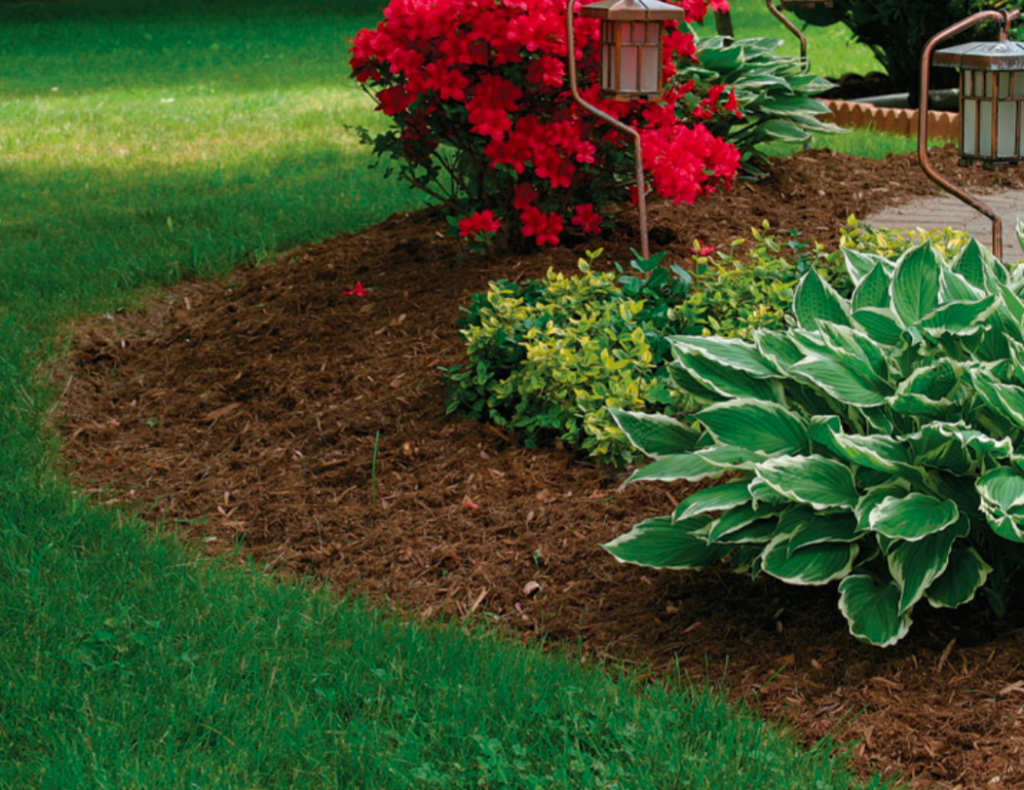
A good garden often looks effortless, but behind that tidy, healthy appearance is usually one simple secret: mulch. It may not be the most exciting part of gardening, but it is one of the most useful. Whether you are growing vegetables, flowers, shrubs, or small trees, mulch can do a lot of heavy lifting in the garden if it’s used properly. At its simplest, mulch is a layer of material spread over the surface of the soil. That layer acts like a protective blanket. It helps hold moisture in the ground, keeps soil temperatures more even, reduces weed growth, and protects the soil from drying out too quickly in hot or windy weather. In many gardens, mulch can also improve the overall appearance of a bed by making it look clean, finished, and easier to maintain.
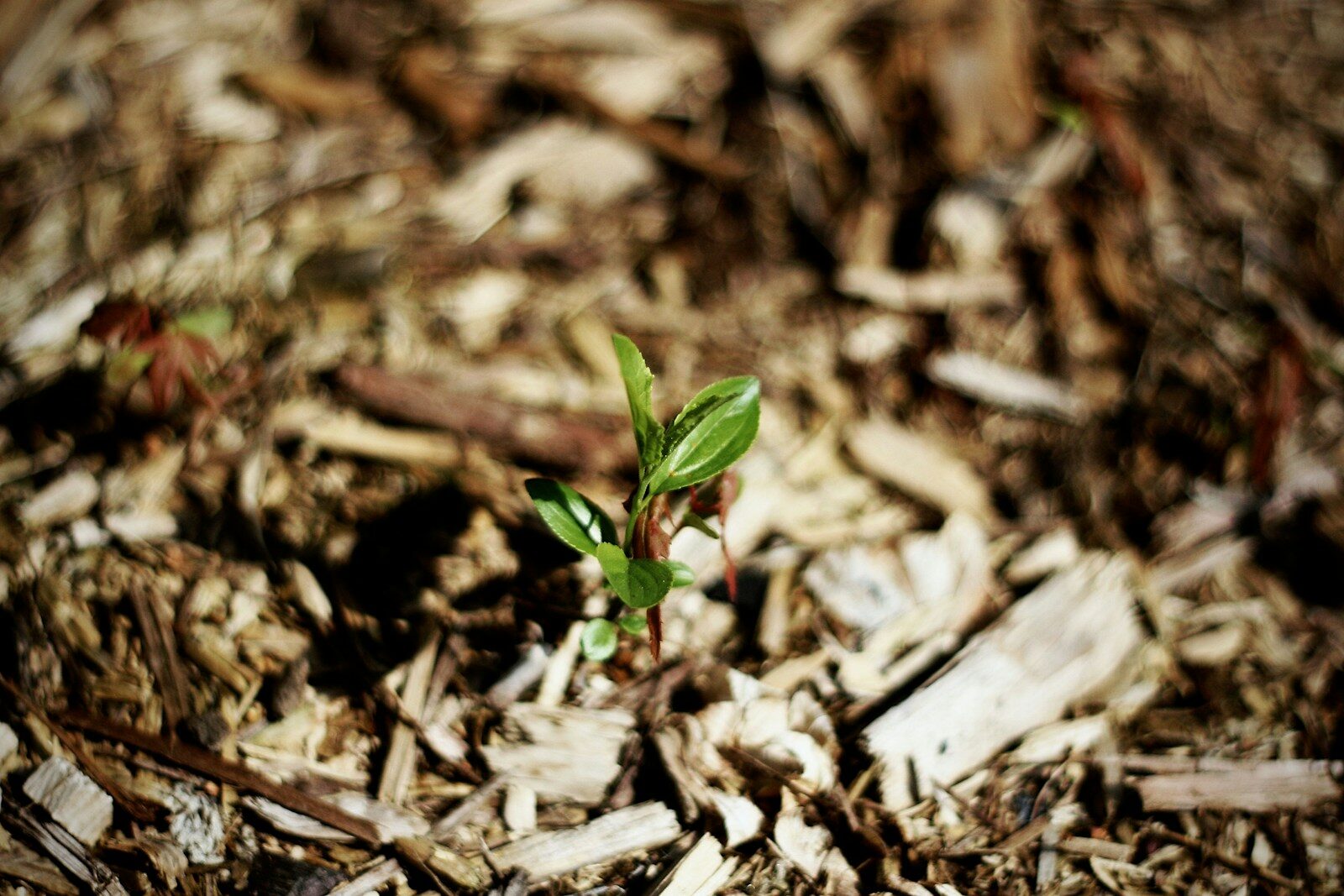
The first step is choosing the right kind of mulch. In vegetable gardens, straw is a popular choice because it is light, easy to spread, and helps keep the soil from drying out too quickly. Around flowers, shrubs, and trees, many gardeners prefer shredded bark, wood mulch, compost, or even leaf mulch. Organic mulches are especially helpful because they break down over time and add organic matter to the soil. That means you are not only protecting the soil now, but also improving it for the future.
Before spreading mulch, it is best to prepare the area first. Pull any weeds, loosen the soil if needed, and water well. Mulch works best when it’s placed over already-moist soil, because its main job is to help keep that moisture from escaping. If you spread it over dry ground, it may still offer some protection, but it will not be nearly as helpful as it would be after a deep watering or rainfall.
As for how much to use, most gardens do best with a mulch layer about two to three inches thick. If it is too thin, sunlight can still reach weed seeds, and moisture can escape more easily. If it is too thick, it can become heavy, stay too damp, or make it harder for water to soak down into the soil. Like many things in gardening, balance matters.
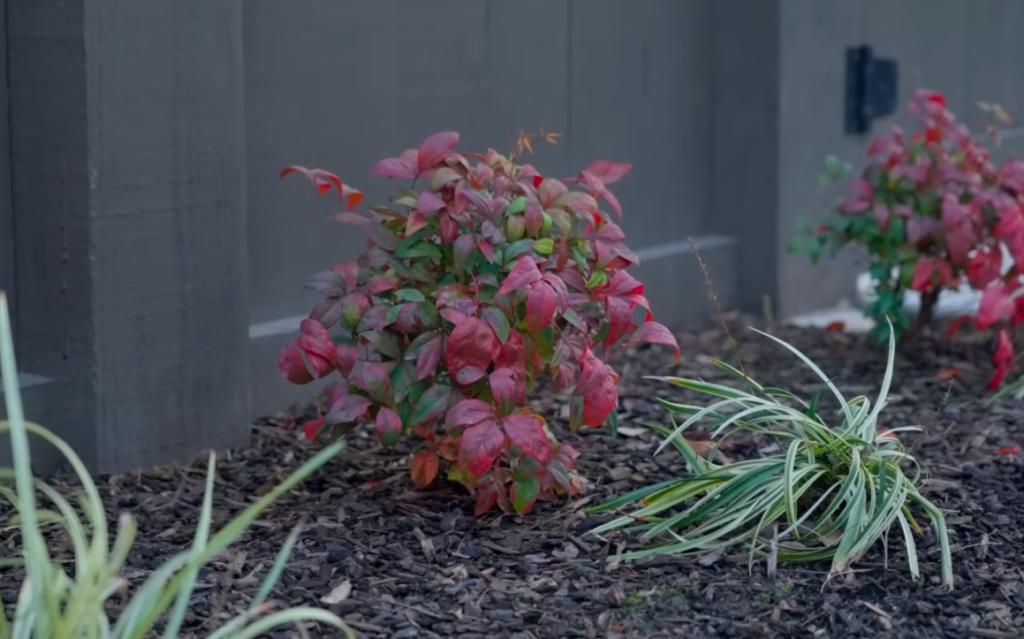
One of the most important rules is to keep mulch slightly away from plant stems and trunks. It may be tempting to pile it right up against them for a neat look, but that can trap too much moisture and encourage rot, disease, or pests. Around trees, a “mulch volcano” is never a good idea. Instead, think of mulch as a ring or blanket around the plant, not a mound against it.
Mulch is especially valuable during the summer months. In hot weather, bare soil can heat up quickly and lose moisture fast. A layer of mulch shades the soil surface and helps roots stay cooler and more comfortable. That can mean less stress on your plants and less watering for you.
In the end, mulch is one of the easiest ways to make gardening more manageable. It helps the soil hold moisture, cuts down on weeds, protects plant roots, and can even improve the soil over time. For something so simple, it does a remarkable amount of work. That is why so many experienced gardeners would not garden without it.
If you have gardening questions or need advice, feel free to reach out! You can send your questions to me at [email protected] with the subject line “Ask Anna,” and I’ll happily feature your questions in next month’s NewsMagazine.
About the Author