



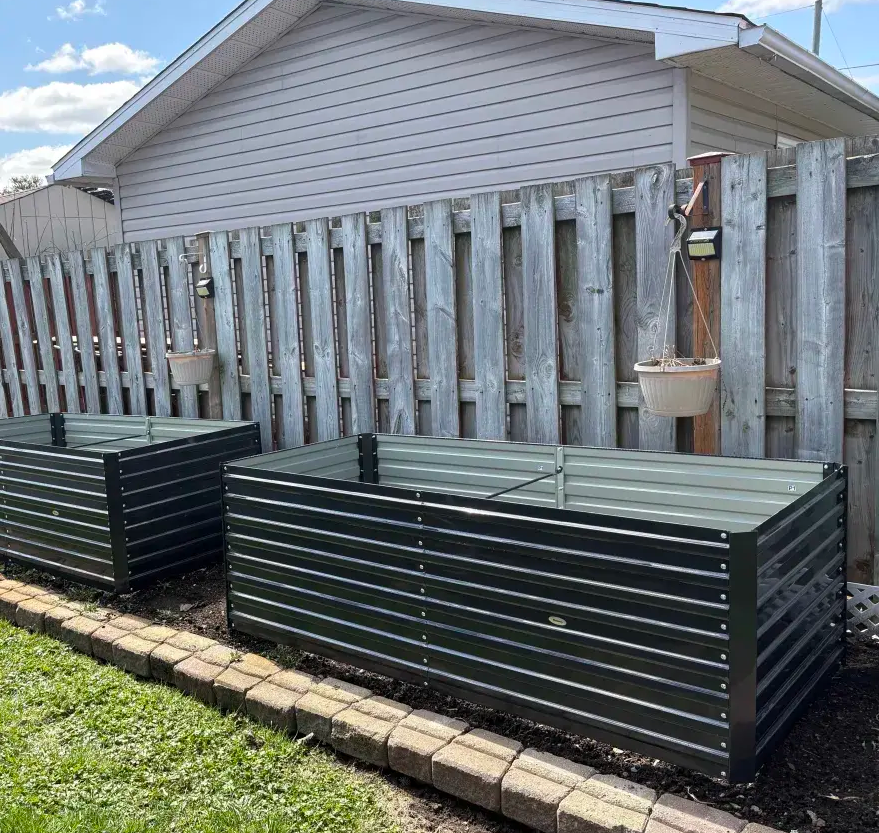
Happy May, everyone! We’re back with another Ask Anna your Gardening questions! This month, we are answering “I purchased raised beds that sit about 2 feet above the ground. How should I layer the soil inside them, and what plants grow best in this type of setup?”
Raised beds are one of the easiest and most effective ways to grow a successful garden, especially when they’re about 2 feet high like yours. The added height improves drainage, warms up faster in the spring, and makes planting and harvesting much more comfortable. However, the way you fill your raised bed will directly affect how well your plants grow.
Start at the bottom. If your raised bed is open to the ground, place a layer of cardboard or several sheets of newspaper directly on the soil. This helps suppress weeds while still allowing water to drain through. Over time, this layer will naturally decompose.
Next, add a filler layer. This can include small branches, sticks, leaves, or even grass clippings. This layer is important because it improves drainage and reduces the amount of expensive soil you need to buy. As it breaks down, it will also slowly add nutrients back into the soil. On top of that, add a middle layer of compost or well-rotted manure. This is where your plants will start to get their nutrients. Compost helps retain moisture, improves soil structure, and feeds beneficial microorganisms that support plant health.
Finally, the top layer is where your plants will grow the most. A mix of high-quality garden soil and compost, which is about 60% soil and 40% compost, is ideal. This layer should be soft, rich, and easy for roots to spread through.
When it comes to planting, raised beds are very versatile. Leafy greens like lettuce and spinach grow especially well because they benefit from loose, well-drained soil. Root vegetables such as carrots and radishes also thrive since they can grow straight without hitting compacted ground. Crops like tomatoes, peppers, and cucumbers do very well too, especially if you provide support like stakes or cages. Herbs like basil, parsley, and chives are also excellent choices and are easy to manage in smaller spaces.
In the end, think of your raised bed as a layered system that works together to support healthy growth. With the right setup, you’ll have a productive and manageable garden all season long without reaching so far down to pick them.
If you have gardening questions or need advice, feel free to reach out! You can send your questions to me at [email protected] with the subject line “Ask Anna,” and I’ll happily feature your questions in next month’s NewsMagazine.
Stop by Harvest at 2405 Vincent Massey Drive and also 75 Cornwall Centre Road to pick up your copy of the SDG&A Cornwall Seeker at the beginning of each month…
AND REMEMBER
if you can’t find a print copt (as they do get picked up really fast) you can also read the Current Issue on the Seeker Website at: www.theseeker.ca
About the Author





![6abe94394c84c[1]](https://theseeker.ca/wp-content/uploads/2026/10/6abe94394c84c1-768x434.webp)