

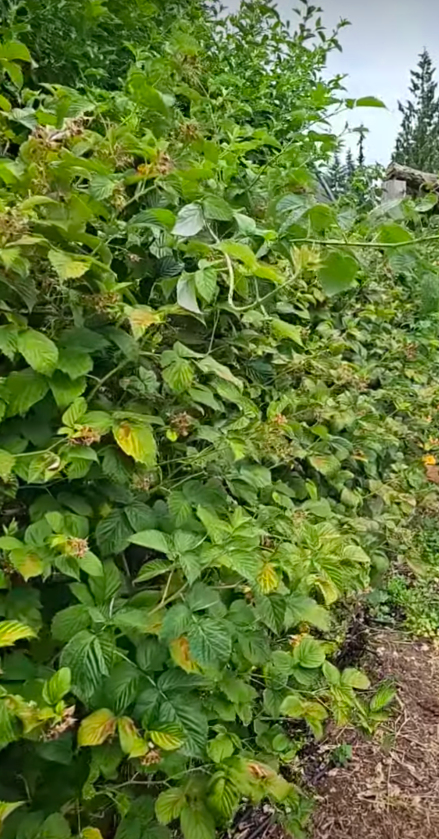
Happy July, everyone! We’re back with another Ask Anna your Gardening questions! This month, we are answering “I have raspberry plants that are more than five years old. They used to produce lots of berries, but now I’m getting very little fruit. The plants are still alive and growing. How can I get them producing again?”
The good news is that older raspberry patches can often be brought back to life with a little maintenance.
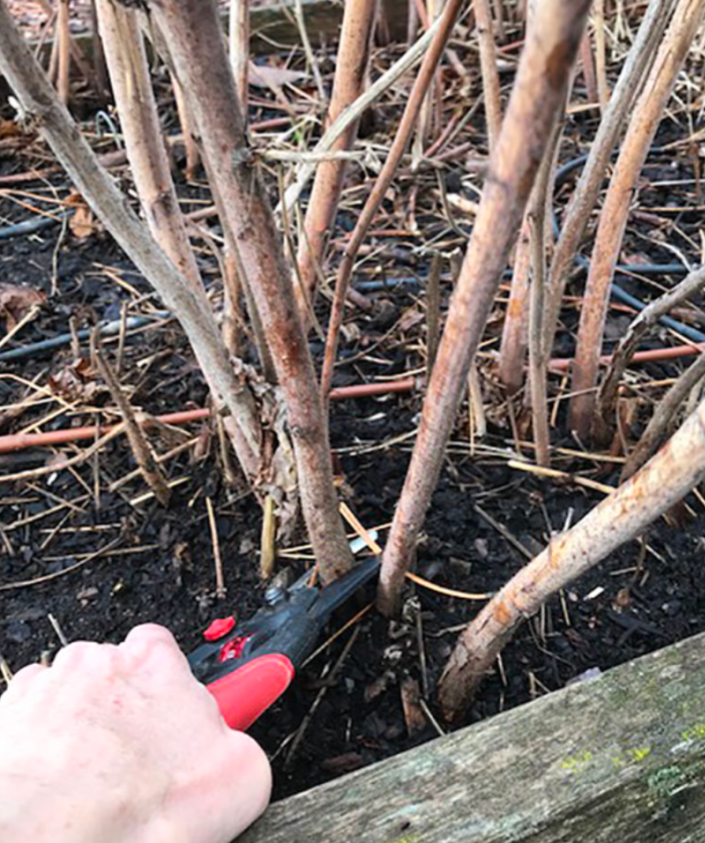
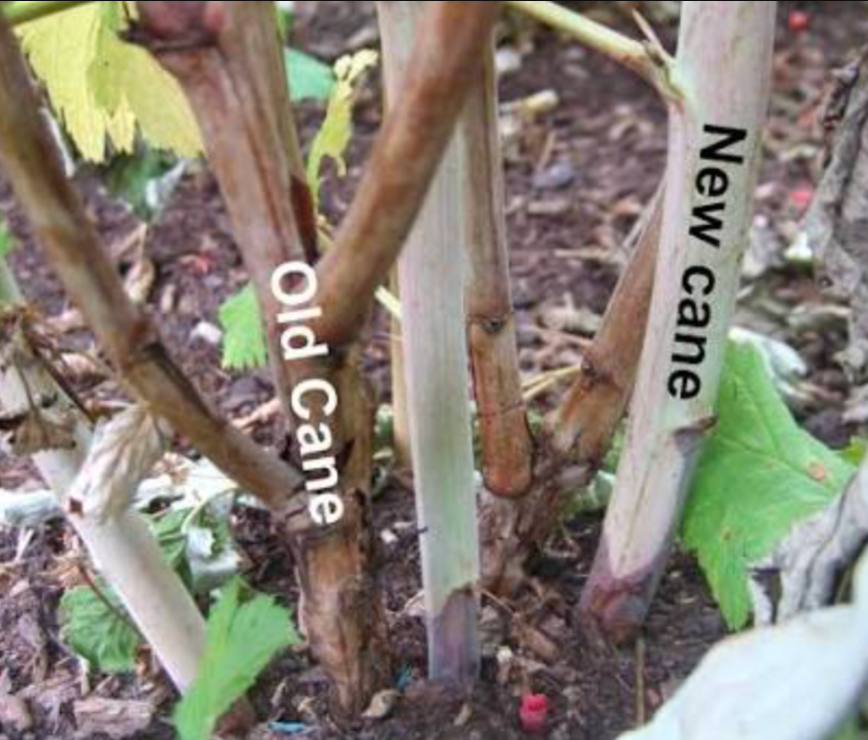
The first step is pruning. Many gardeners are hesitant to cut back raspberry canes because they don’t want to lose berries, but failing to prune is actually one of the biggest reasons production drops. Over time, old canes crowd the patch, block sunlight, and compete for nutrients. After harvesting, remove any canes that produced fruit this year. These older canes have done their job and won’t produce again. Leave the younger green canes that grew this season, as they will be next year’s fruit producers. If your patch has become a thick jungle of canes, thin it out so air and sunlight can reach the centre.
Next, the soil. Raspberry plants are heavy feeders. After several years in the same location, they can use up many of the nutrients available in the soil. Adding compost, aged manure, or a balanced berry fertilizer in early spring can make a noticeable difference. A layer of compost around the plants each year helps replenish organic matter and improves moisture retention.
Another issue could be overcrowding. Raspberry roots spread aggressively, and what started as a tidy row often turns into a dense thicket. When plants become too crowded, berry production declines. Digging out excess suckers and maintaining rows about 12 to 18 inches wide can help redirect energy into fruit production instead of endless new growth.
Sunlight is also critical. Raspberries perform best with at least six to eight hours of direct sun daily. Trees, shrubs, or even nearby garden structures that have grown larger over the years may now be casting more shade than when the patch was first planted.
Don’t forget about water. Raspberry plants need consistent moisture, especially during flowering and fruit development. Dry spells during these stages can lead to smaller harvests and fewer berries.
Finally, remember that raspberry patches don’t last forever. Even with excellent care, some older plantings naturally decline after many years. If you’ve tried pruning, feeding, and thinning without much improvement, it may be time to start a new row in a different location. Fresh plants often reward gardeners with larger harvests and healthier growth.
A raspberry patch should be earning its keep in the garden. With a little thinning, feeding, and pruning, many older patches can bounce back and provide bowls of sweet berries for years to come.
If you have gardening questions or need advice, feel free to reach out! You can send your questions to me at [email protected] with the subject line “Ask Anna,” and I’ll happily feature your questions in next month’s NewsMagazine.
About the Author