


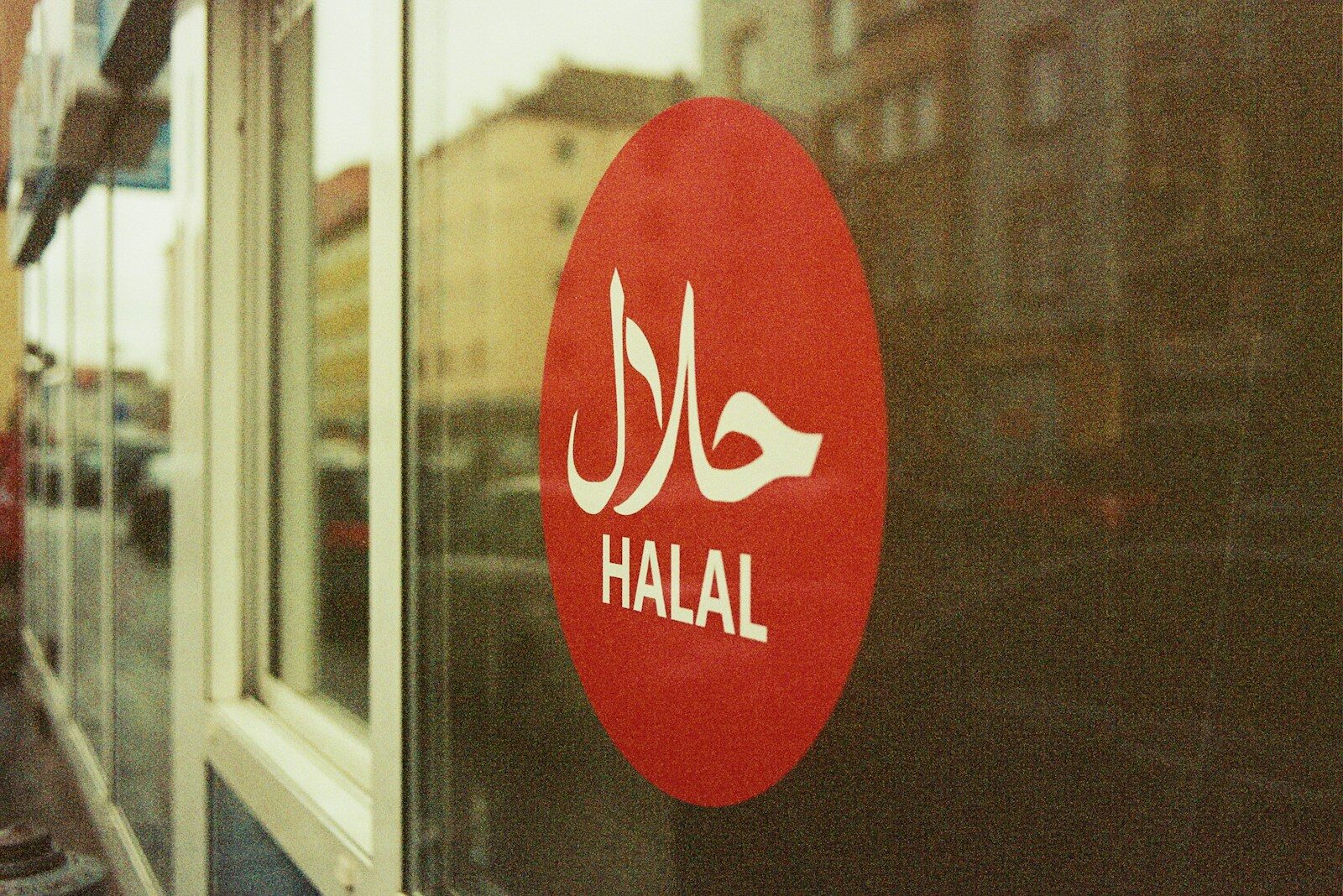
Halal food standards in Canada matter most when the food is already in front of someone. A parent is checking snacks for a school event. A restaurant worker is answering a question during lunch. A store buyer is looking at a new frozen product and trying to decide whether the halal wording is safe to use. In all these cases, the claim has to match the real item, not just the best version of the paperwork.
That means the business needs more than a familiar supplier name or a menu note. It needs to know who certified the product, what exactly is covered, whether the recipe has changed, and how staff should answer without guessing. For food sellers that want this checked by an outside process, Halal Certification gives the claim a clearer base before it reaches a grocery basket, catering tray, lunch program, or family table.
Why halal food standards in Canada should pass a receipt test
The receipt test is simple because food work is messy enough already. A box arrives. A cook opens it. A sauce is added. A menu is updated. A staff member answers a question. A delivery listing goes live. Somewhere in that chain, the halal wording can become wider than the record behind it.
In Canada, halal wording should identify the person or body that certified the food. That makes the claim traceable. It also gives the business a useful habit: do not say more in public than the file can support.
| Receipt test point | What to compare |
| Purchase record | Supplier name and item details |
| Certificate | Certifier name and product scope |
| Recipe or product sheet | Added ingredients and changes |
| Public wording | Menu, label, website, or app text |
The cleanest halal claim is the one that can be followed without a phone call.
The first mismatch is usually small
Weak halal wording often begins with one small shortcut. A shop gets a new shipment and keeps the same shelf note. A café changes the dressing in a wrap. A caterer offers a mixed tray and checks only the meat. A food maker updates a recipe but forgets the old product page.
These are not dramatic mistakes. They are the normal little changes that happen in food businesses every week. That is why halal food standards in Canada need to be built into routine work, not saved for rare audits.
Common mismatch points include:
- A halal note copied from an older menu.
- A new supplier used during a shortage.
- A sauce, glaze, broth, capsule, or flavouring left unchecked.
- Online wording that sounds broader than the package.
- Staff using one general answer for several different items.
How Canadian halal food rules apply to ordinary items
Canadian halal food rules touch more than meat counters. They can affect bakery fillings, frozen meals, snack products, school lunches, ready-made sandwiches, catering trays, imported goods, and meal kits. The question is not only “is the main ingredient covered?” The better question is “does the full item match the claim?”
A chicken rice bowl shows the problem well. Chicken may have strong documentation. Then come seasoning, stock, sauce, cheese, toppings, packaging, and the wording on the order page. If only the chicken was reviewed, a broad halal claim may be too confident.
| Item | Easy assumption | Missed detail | Better check |
| Chicken bowl | Meat is enough | Sauce and stock | Review the full recipe |
| Bakery dessert | No meat, no issue | Gelatin or enzymes | Check ingredients |
| Imported snack | Logo looks familiar | Certifier not clear | Verify the label |
| Event tray | One supplier covers it | Mixed dishes | Check each item |
This is where standards for halal food in Canada become practical. They help a business slow down before the claim reaches the public.
A quick review before selling the item
A short review can prevent most mistakes. It does not need a large manual. It needs one person to compare the food, the file, and the public wording before the item is sold.
- Pick one item that uses halal wording.
- Write down the exact phrase customers will see.
- Match the item with its supplier record.
- Check the certifier name and what the certificate covers.
- Review every added ingredient, not only the main one.
- Compare the menu, label, website, delivery app, and shelf note.
- Give staff one safe sentence they can use.
- Recheck after any supplier, recipe, or packaging change.
Where halal food standards in Canada help local businesses
Halal food standards in Canada help local businesses because they make the promise easier to manage. A small restaurant does not need staff inventing answers. A grocery shop does not need unclear shelf wording. A caterer does not need a last-minute panic before a community order. A producer does not need old product pages saying more than the current recipe supports.
Careful halal control also helps customers. People buying for family, guests, students, coworkers, or community events often carry responsibility for others. They may not know every supplier or ingredient. They depend on the seller to keep the claim honest and narrow.
Certification gives the business more than memory: names, records, product scope, and review points.
The best halal claim is narrow and clear
A broad claim may look stronger, but it can create more doubt. A narrow claim is often better. “These items are halal certified” is clearer than letting people think every item, tool, surface, ingredient, and supplier has the same status.
Halal food standards in Canada work best when the wording stays close to the proof. Say what is covered. Remove what is uncertain. Update the claim when the product changes. Good halal communication does not make customers investigate the food themselves. It gives them a fair reason to trust what they are buying.
About the Author